What are the respiratory tracts, and how are they organized?
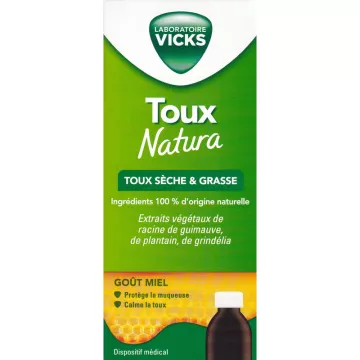
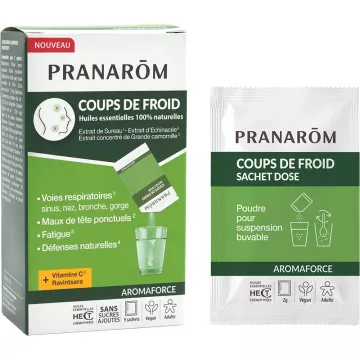
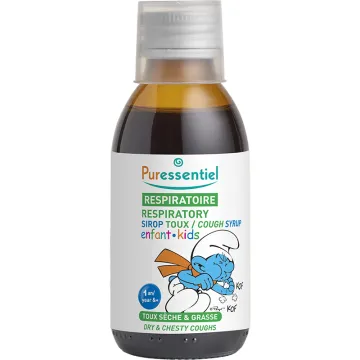
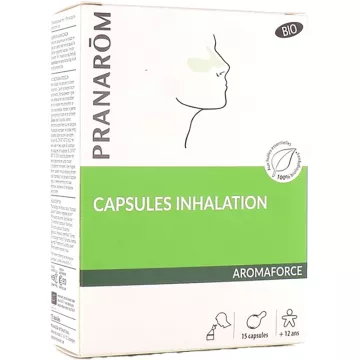
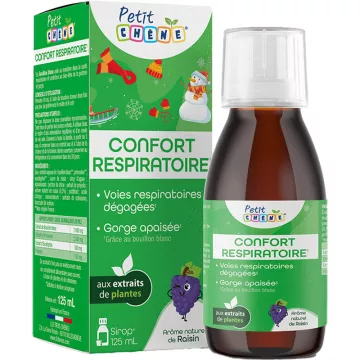
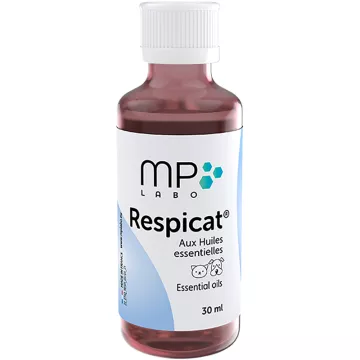
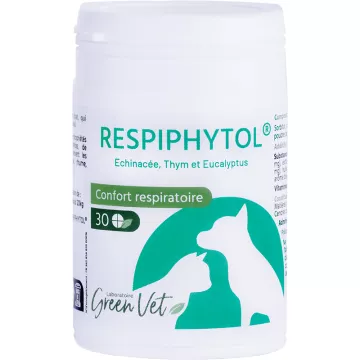
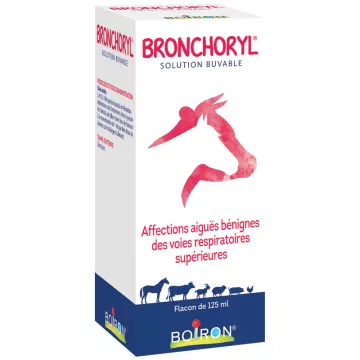
The respiratory tract refers to the entire system of airways through which air travels from the external environment to the pulmonary alveoli, where the gas exchange essential for life takes place. They serve both as an air transport system and as a first-line immune barrier against inhaled pathogens. Respiratory care products and supplements are available in the store.
- Upper respiratory tract: nose (filtration of particles ≥ 10 µm, humidification to 80–95% relative humidity, warming to 34 °C) — pharynx and larynx (aero-digestive junction, protection by the epiglottis) — paranasal sinuses (vocal resonance, supplemental humidification) — tonsils and adenoids (lymphoid tissue producing secretory IgA against pathogens)
- Lower respiratory tract: trachea — main bronchi (left more horizontal, right more vertical and more exposed to accidental inhalation) — bronchial tree (lobar bronchi → segmental bronchi → terminal and respiratory bronchioles) — pulmonary alveoli (700 million, gas exchange surface area 70–80 m²)
- Mucociliary clearance: mechanical defense system — ciliated cells (~300 cilia/cell, beating 1,000 times/min) propel mucus laden with particles and microbes toward the pharynx for expectoration or swallowing — impaired by tobacco, cold, dehydration, and certain viruses
What problems affect the respiratory tract, and what are the contributing factors?
- Acute infections: the common cold and nasopharyngitis (viral, resolve spontaneously in 7–10 days) — influenza (flu — more severe complications) — acute bronchitis (90% viral) — pneumonia and bronchopneumonia (bacterial or viral — requiring medical treatment)
- Chronic diseases: asthma (bronchial hyperreactivity—4 million in France)—COPD (chronic obstructive pulmonary disease—3.5 million, 80% linked to smoking)—chronic bronchial congestion —emphysema
- Environmental factors: outdoor pollution (fine particulate matter PM2.5, NO₂, ozone—irritation and inflammation of the mucous membranes) — indoor allergens (dust mites, mold, animal dander) — indoor pollution (VOCs, secondhand smoke) — humidity < 40% (mucosal drying, reduced ciliary efficiency)
- Immune role of the respiratory tract: secretory IgA (antibodies produced by pharyngeal lymphoid tissue) — alveolar macrophages (phagocytose particles reaching the alveoli) — mucosal dendritic cells (activation of the adaptive immune response) — a well-hydrated mucosa and a balanced respiratory microbiome strengthen this local immunity
How can you protect and maintain respiratory health?
- Quit smoking (Tabac Info Service: 3989): Smoking destroys the bronchial cilia (cilial paralysis begins with the very first cigarette), reduces mucociliary clearance, causes chronic inflammation of the mucous membranes, and increases the risk of lung cancer by 10 to 20 times — recovery of ciliary function begins within weeks of quitting
- Air quality and hydration: ventilate for 10 minutes in the morning and evening — indoor humidity 40–60% (use humidifiers if < 40%) — frequent vacuuming and dust-mite-proof bedding — hydration of 1.5 to 2 L/day to maintain mucus fluidity and ciliary efficiency
- Protective nutrition: vitamin C (cofactor for mucosal immunity, supports collagen synthesis in the mucous membranes) — Vitamin D3 (modulation of innate and adaptive immunity — very common deficiency in our latitudes, associated with increased susceptibility to respiratory infections) — Omega-3 EPA-DHA (anti-inflammatory effects on the pulmonary mucosa)
- Flu and pneumococcal vaccination according to HAS recommendations — hand hygiene — nasal irrigation during periods of viral exposure — respiratory comfort: see recommended daily practices — for established respiratory conditions, medical follow-up is essential