What are the main respiratory tract conditions, and how can they be recognized?
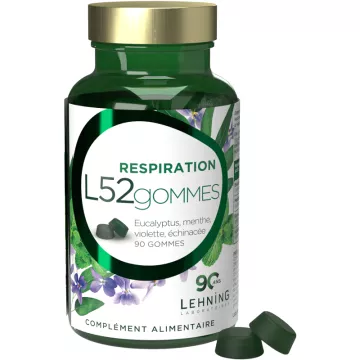
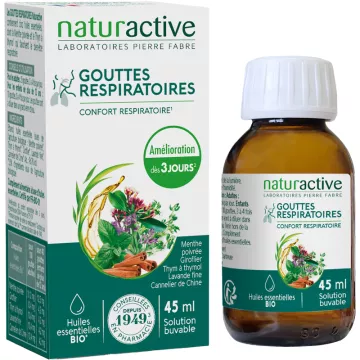
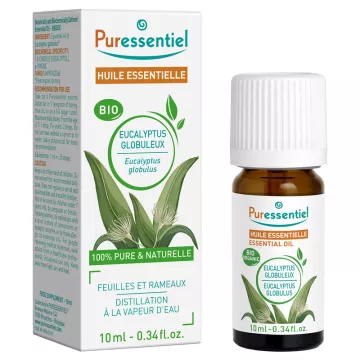
The respiratory tract forms a continuum from the nasal cavity to the pulmonary alveoli—each segment can be affected by distinct conditions with different mechanisms and treatments. Understanding this anatomy is the first step toward appropriate management. Natural products for the respiratory tract are available in the “Respiratory Health ” and “Respiratory Supplements” product lines.
- Upper respiratory tract: nose, sinuses, pharynx, larynx—rhinitis, sinusitis, pharyngitis, laryngitis—primarily viral infections and allergies—symptomatic treatment in the vast majority of cases
- Lower respiratory tract: trachea, bronchi, bronchioles, alveoli — acute and chronic bronchitis, asthma, COPD, pneumonia, emphysema, pulmonary fibrosis — obstructive or restrictive mechanisms depending on the condition
- Common symptoms to watch for: persistent cough (dry or productive) — dyspnea on exertion or at rest — expiratory wheezing (wheezing)—chest tightness—mucus production—cyanosis in advanced stages—sudden-onset dyspnea associated with chest pain or tachycardia requires urgent medical evaluation
- Early diagnosis: spirometry (FEV₁, FVC, FEV₁/FVC ratio — obstruction and reversibility) — chest X-ray — high-resolution CT (HRCT) — allergy tests — arterial blood gas analysis — spirometric screening of asymptomatic smokers over age 40 is recommended to detect early-stage COPD
How can respiratory tract conditions be prevented?
Prevention is based on two complementary approaches: reducing damage to the respiratory tract and strengthening its natural defense mechanisms. Smoking is by far the leading modifiable risk factor—it accounts for 90% of COPD cases, increases the risk of bronchial cancer by a factor of 15, and its effects on the bronchial cilia (mucociliary paralysis) persist for years. Quitting smoking improves lung function within the first few weeks.
- Air quality: HEPA air purifier (allergens, PM2.5) — daily ventilation (15 minutes in the morning and evening) — humidity 40–60% — avoid VOCs (paints, solvents) — monitor outdoor air quality indices (Atmo France) and reduce activities during pollution peaks
- Vaccinations: annual flu shot (reduces infectious exacerbations in patients with COPD and asthma) — pneumococcal vaccine (prevents bacterial pneumonia) — frequent handwashing (first line of defense against viruses)
- Diet and micronutrition: vitamin C (mucosal antioxidant, supports antiviral immunity) — zinc (cofactor for cellular immunity, maintains mucosal integrity) — vitamin D3 (respiratory immunomodulator—deficiency is associated with an increased risk of infections) — omega-3 (anti-inflammatory effects on bronchial mucosa)
- Magnesium: bronchial muscle relaxant — deficiency common in people with asthma — bisglycinate or citrate, 300–400 mg/day — reduces underlying bronchial hyperreactivity
How can you effectively manage and treat a chronic respiratory condition?
Chronic respiratory diseases (asthma, COPD, pulmonary fibrosis) cannot be cured but can be managed remarkably well. The key is a combination of appropriate medication, respiratory rehabilitation, and lifestyle adjustments—with therapeutic education as the guiding principle. Self-monitoring (symptom diary, peak expiratory flow [PEF] for asthma) helps anticipate exacerbations.
- Pulmonary rehabilitation: a supervised multidisciplinary program (respiratory physical therapy + exercise training + therapeutic education + psychological support) — reduces dyspnea and improves exercise tolerance — as effective as medications in moderate to severe stages — indicated for symptomatic COPD patients (GOLD 2–4) and those with severe asthma
- Medical innovations: biologics (anti-IgE, anti-IL-5, anti-IL-4/IL-13 — for severe refractory asthma) — endobronchial valves and volume-reduction surgery for severe emphysema — connected devices (at-home lung function testing, symptom-tracking apps) — increasing personalization of treatments based on phenotype
- Psychological support: Depression and anxiety accompany 30 to 40% of chronic respiratory diseases — cognitive-behavioral therapy (CBT) — stress management (cardiac coherence, meditation, yoga) — COPD and asthma patient associations (peer support, improved adherence)
- Adapted exercise: walking, swimming (ideal for exercise-induced asthma), stationary bike — a 10–15-minute gradual warm-up is required — carry a rescue bronchodilator — regular activity improves lung capacity and reduces bronchial hyperreactivity over the long term — respiratory discomfort: specific exercises and complementary natural remedies are available