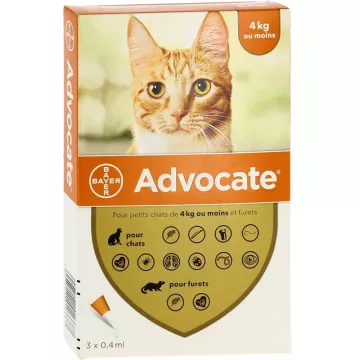
Flea control is a cornerstone of pet health. Fleas cause itching and allergic dermatitis and can transmit intestinal parasites. Choosing the right treatment based on the pet’s species, age, and lifestyle is key to effective protection. Check out our flea control products for cats and dogs.
What types of flea treatments are available for dogs and cats?
Several dosage forms address different needs.
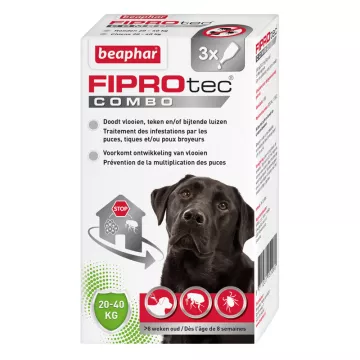
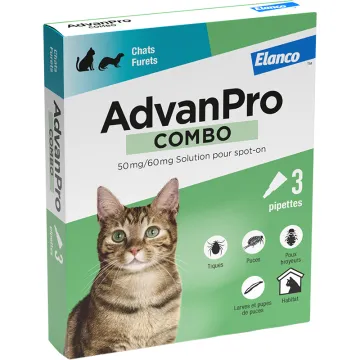
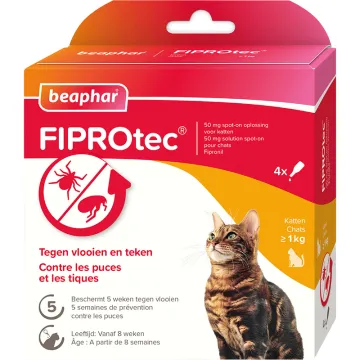
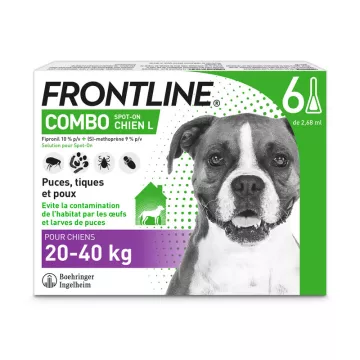
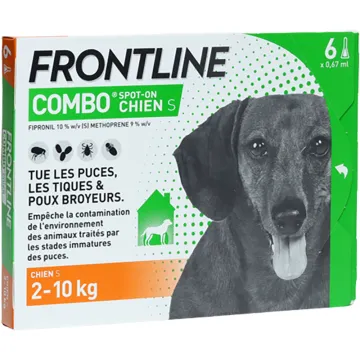
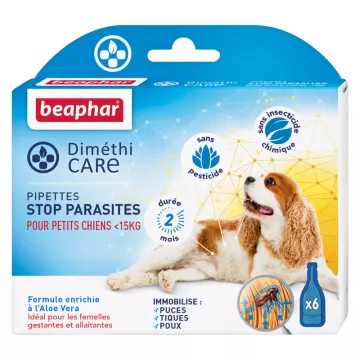
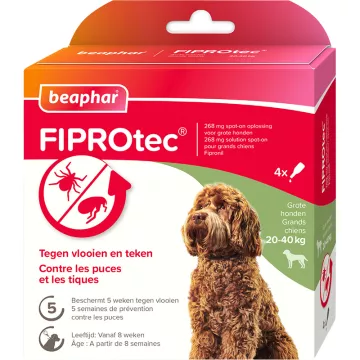
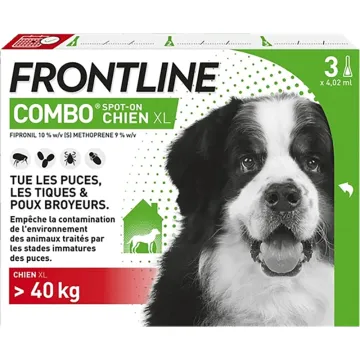
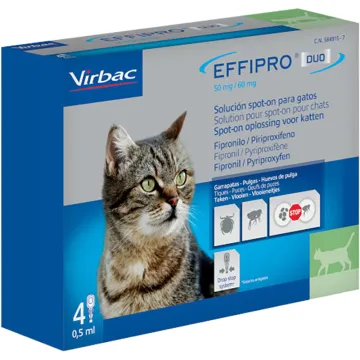
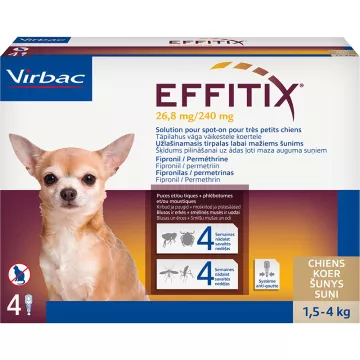
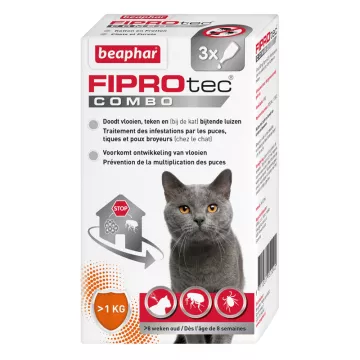
- Spot-on treatments: applied monthly to the back of the neck, providing rapid and long-lasting protection—see our selection of flea treatments
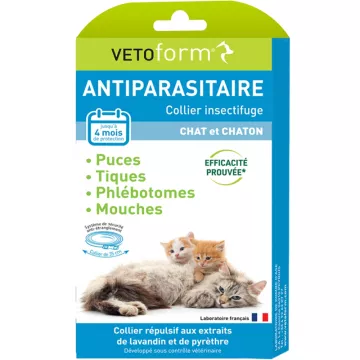
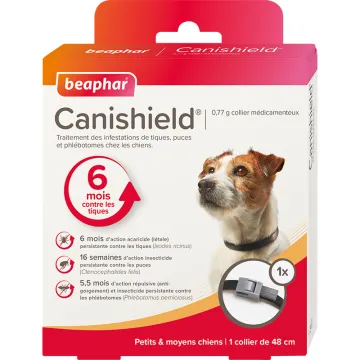
- Flea collars: continuous protection for 4 to 8 months, ideal for pets that go outdoors frequently
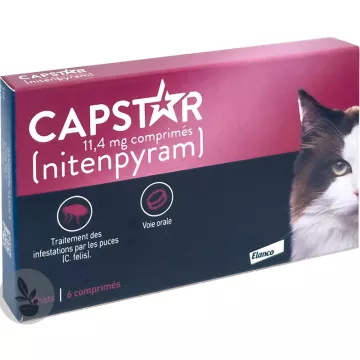
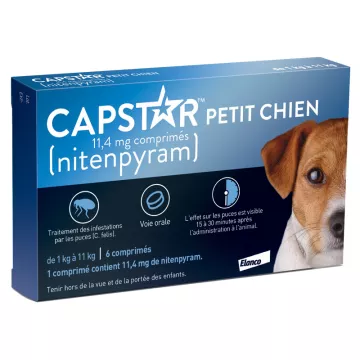
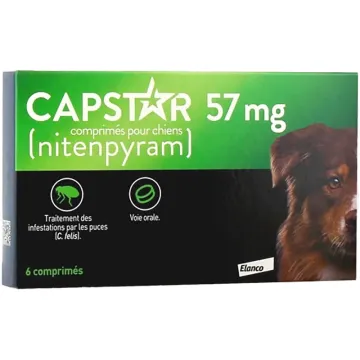
- Oral tablets: fast-acting (30 minutes), convenient for pets that are difficult to treat with topical products
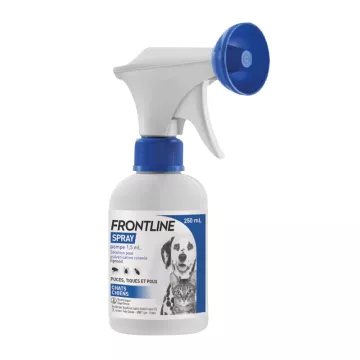
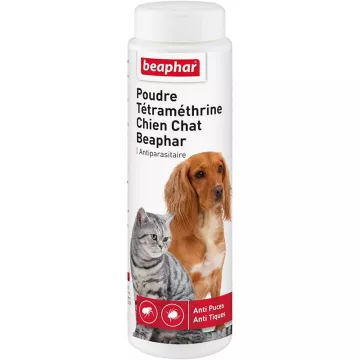
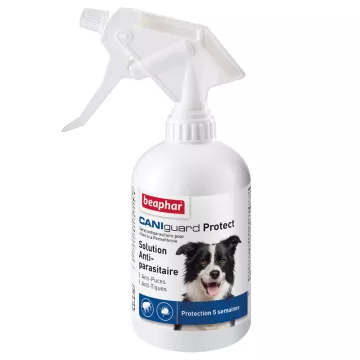
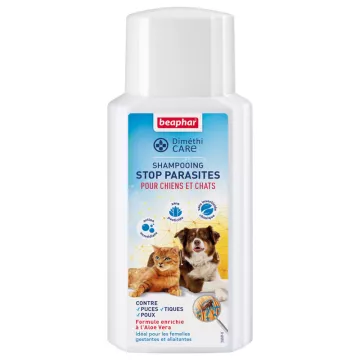
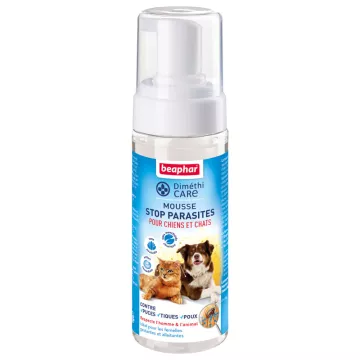
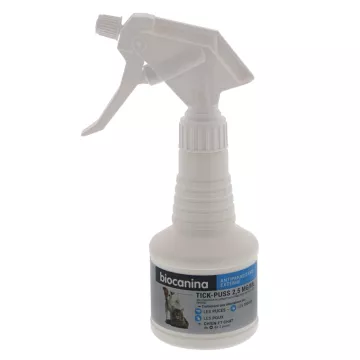
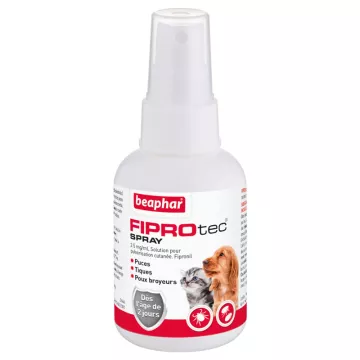
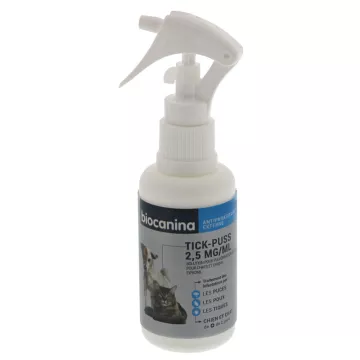
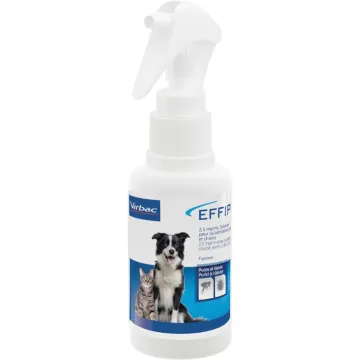
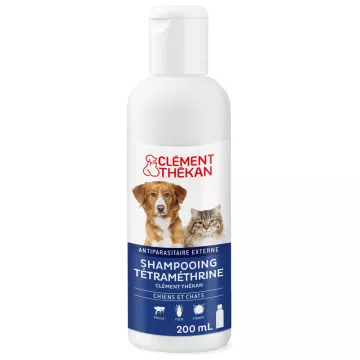
- Sprays and shampoos: Immediate action on the pet, short-term effectiveness—should be combined with a longer-lasting treatment
Can the same flea treatment be used for dogs and cats?
No—this is an absolute safety rule. Permethrin, found in many flea treatments for dogs, is extremely toxic to cats. A treatment accidentally applied to a cat or transmitted through contact with a treated dog can cause seizures and be life-threatening.
- Use only products formulated for the specific species
- Keep dogs and cats separate for several hours after applying a permethrin-based product
- If you suspect a cat has been poisoned: contact a veterinarian immediately
How do you apply a flea treatment?
Proper application is essential for effectiveness and safety.
- Spot-on treatment: Apply directly to the skin between the shoulder blades, on dry, clean fur—not immediately after a bath
- Collar: Leave a two-finger gap between the collar and the neck; trim off any excess
- Tablet: Follow the dosage based on the cat’s weight; administer with or without food as directed in the package insert
- Spray: Apply against the grain of the fur over the entire body; protect the eyes and mouth
How can you detect a flea infestation?
Several clinical signs indicate the presence of fleas.
- Intense scratching, repeated biting, especially in the lumbosacral region and on the tail
- Presence of small scabs or flea allergy dermatitis (FAD)
- Visible flea feces: small black particles that turn red on damp paper (digested blood)
- Visible fleas when combing the coat with a fine-toothed comb against a white background
How can you prevent fleas and treat the home environment?
Treating only the pet is insufficient: 90% of fleas live in the environment (bedding, carpets, baseboards).
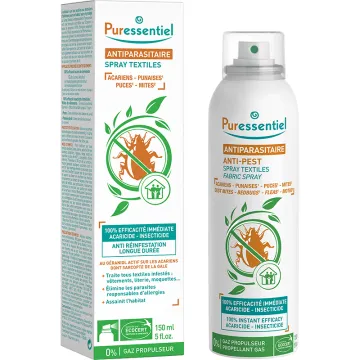
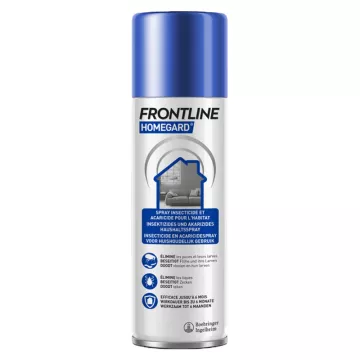
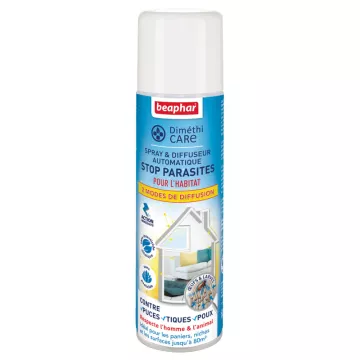
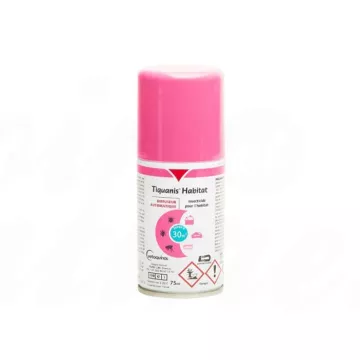
- Treat both the pet and the home simultaneously with a residual-action home spray
- Vacuum rugs, sofas, and pet beds frequently; empty the vacuum cleaner immediately afterward
- Wash the pet’s bedding at 60°C
- Repeat the home treatment after 2 to 3 weeks to eliminate any hatched eggs
- Combine with deworming treatments: fleas transmit Dipylidium caninum
How often should you treat your pet for fleas?
The frequency depends on the product and the pet’s profile.
- Spot-on treatments: every 4 weeks
- Collars: Replace according to the indicated duration of protection (4 to 8 months)
- Oral tablets: monthly or as per the product’s approved indication
- Pets living with other pets: Treat all pets in the household at the same time