What is a dewormer, and how does it work?
A dewormer is an antiparasitic medication that eliminates intestinal worms by disrupting their neuromuscular system or energy metabolism. In France, human dewormers available at pharmacies are primarily benzimidazoles—which should be distinguished from veterinary dewormers, which have different formulations. Discover our range of antiparasitic medications for humans and animals.
- Flubendazole (Fluvermal®): the standard deworming medication in France—inhibits glucose absorption by worms → leading to death by energy depletion—broad-spectrum (pinworms, roundworms, tapeworms, hookworms) — available without a prescription — tablets or oral suspension — see our pinworms page
- Mebendazole (Vermox®): same mechanism of action — used in many countries — requires a prescription in France
- Albendazole: broad spectrum (giardiasis, echinococcosis) — available by prescription — treatment for complex parasitic infections
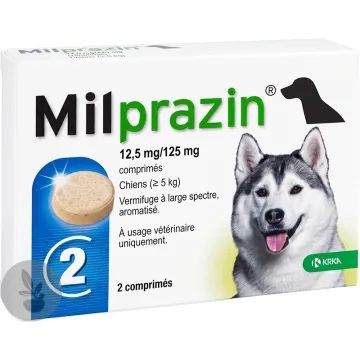
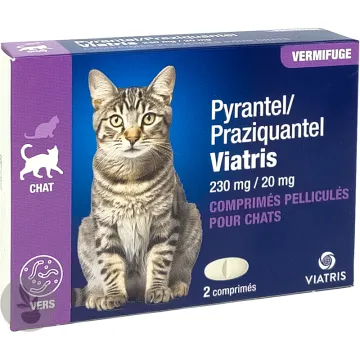
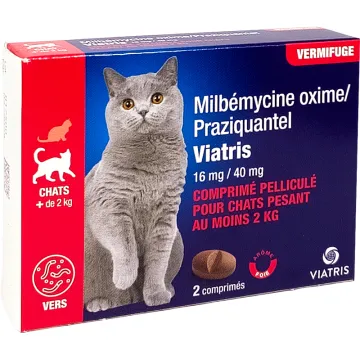
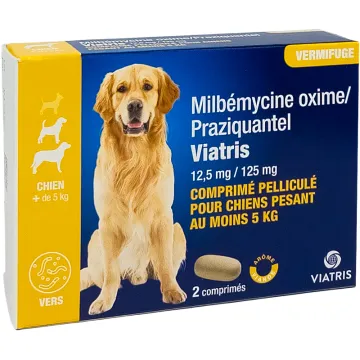
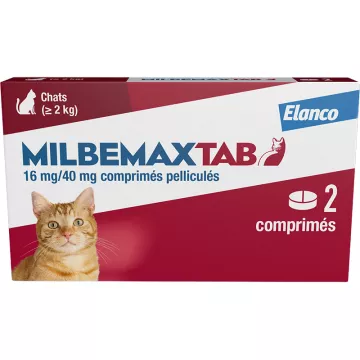
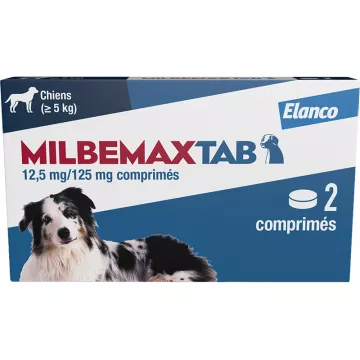
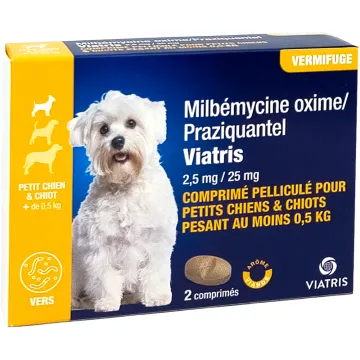
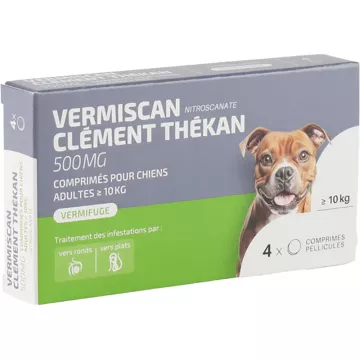
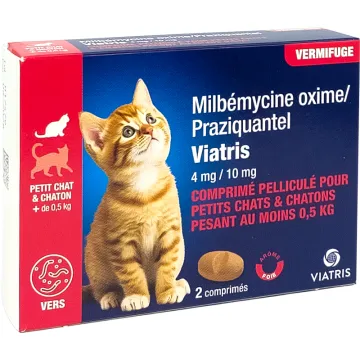
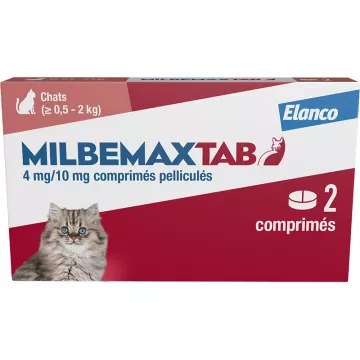
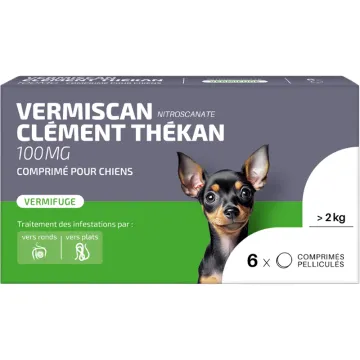
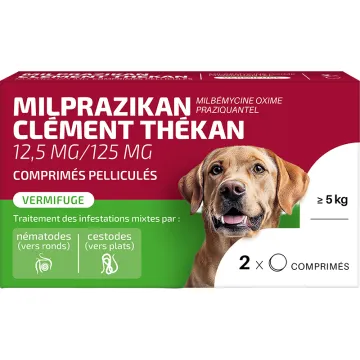
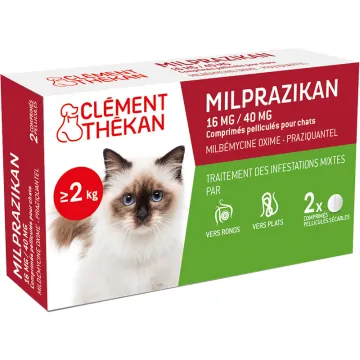
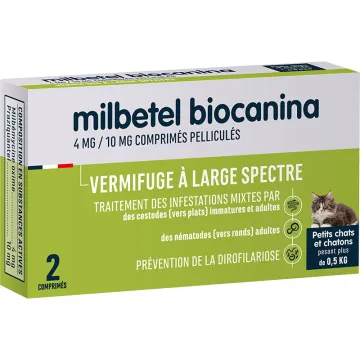
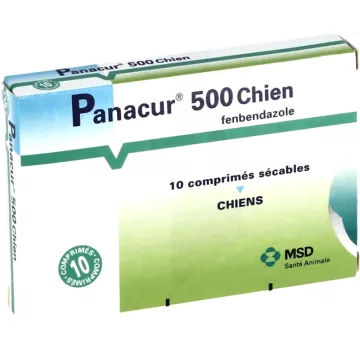
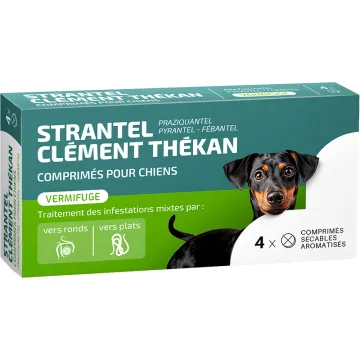
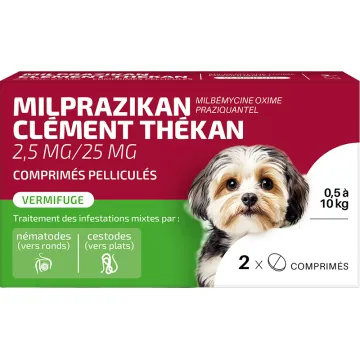
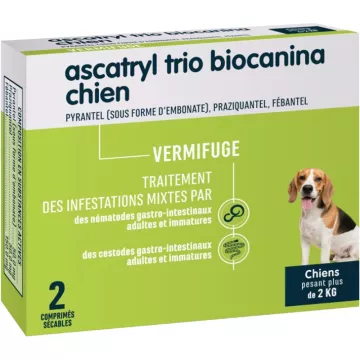
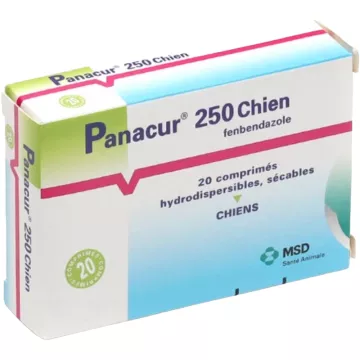
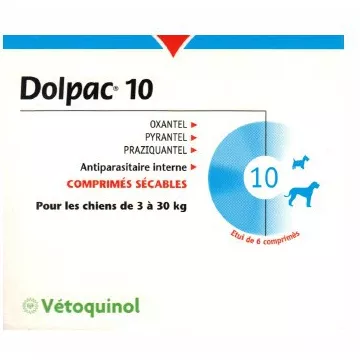
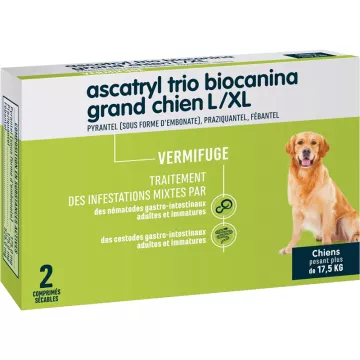
- Difference between humans and animals: veterinary dewormers (Milbemax, Drontal, Droncit) contain different concentrations and active ingredients unsuitable for humans—never use a veterinary dewormer on humans
- Treatable worms: roundworms (nematodes—pinworms, roundworms, hookworms, whipworms), tapeworms (cestodes—tapeworms), filarial worms—see our page on intestinal parasites
Treatment protocols based on worm type
- Pinworms (Enterobius vermicularis): the most common parasite in France, especially among children—nighttime anal itching—treat the entire family simultaneously (rapid cross-contamination)—repeat treatment on day 14 (egg cycle)—strict hygiene: keep nails short, wash hands upon waking, wash sheets at 60°C
- Roundworms (Ascaris ): fecal-oral transmission — primarily in tropical countries — flubendazole as a single dose — see our roundworm page
- Tapeworms (Taenia saginata/solium): undercooked beef or pork — treatment with niclosamide or praziquantel by prescription — follow-up stool test after 3 months
- Hookworms: penetration through the skin (walking barefoot on contaminated soil)—tropical countries—flubendazole or albendazole
- Preventive deworming (without diagnosis): not recommended in non-endemic areas in France—treat based on symptoms or upon return from an endemic area
Anthelmintics and Specific Populations
- Children: flubendazole oral suspension (Fluvermal) starting at 1 year of age — dosage adjusted for weight — suspected pinworms: examine the anal margin at night or perform the adhesive cellophane test in the morning
- Pregnancy: flubendazole and mebendazole not recommended during the first trimester (insufficient data on teratogenicity) — second and third trimesters: use possible if benefits outweigh risks — always under medical supervision — hygiene measures alone during the first trimester if pinworms are present
- Elderly and immunocompromised individuals: risk of severe parasitic infections (Strongyloides stercoralis, hyperinfection) — ivermectin by prescription — enhanced medical monitoring
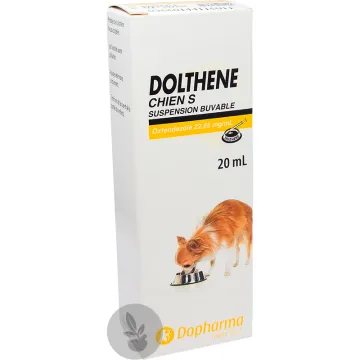
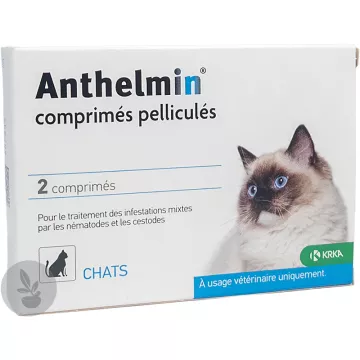
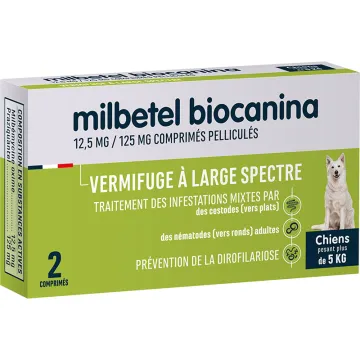
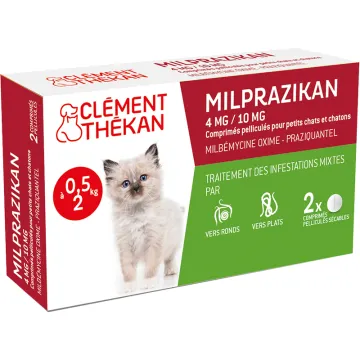
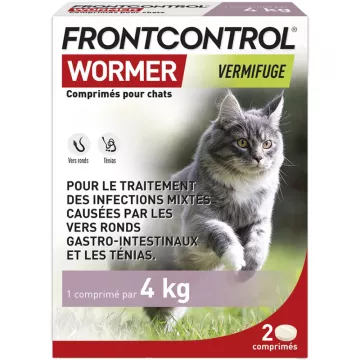
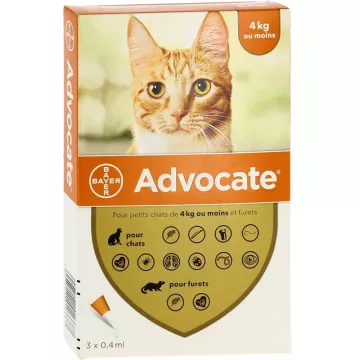
- Pets: Deworm dogs and cats at the same time as the family’s treatment — see our cat dewormer and puppy dewormer lines
- Side effects: nausea, abdominal pain, mild diarrhea—usually temporary—rare allergic reaction (hives): stop treatment and consult a doctor
Traditional Herbal Dewormers and Prevention
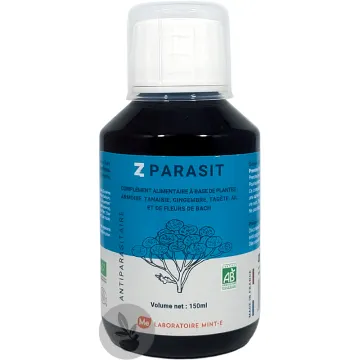
- Pumpkin seeds (Cucurbitaceae): contain cucurbitin — paralyzes tapeworms and facilitates their expulsion — less effective than chemical dewormers but well tolerated — see our page on intestinal worms
- Garlic (allicin): traditional antiparasitic properties — activity demonstrated in vitro — dietary supplement, not a substitute for deworming medication
- Wormwood (Artemisia absinthium) and tansy: traditional deworming plants — neurological toxicity at high doses — never use without medical supervision
- Prevention: Wash hands with soap before meals and after using the restroom — wash fruits and vegetables — cook meat and fish thoroughly — avoid untreated water in tropical countries
- Parasitological stool examination (PSE) recommended upon return from travel to tropical regions or if unexplained digestive symptoms are present—see our page on internal parasites