What is an internal parasite, and how does it differ from an external parasite?
An internal parasite is an organism that lives and reproduces inside a host—in the intestines, liver, lungs, or blood—by drawing nutrients and energy at the host’s expense. This is distinct from external parasites (fleas, ticks, lice), which live on the surface of the body. Internal parasites require specific systemic treatments—see our antiparasitic hub for guidance on distinguishing between human and veterinary parasites.
- Intestinal parasites: the most common worms in France (pinworms, roundworms, tapeworms) + protozoa (Giardia, Entamoeba)—located in the digestive tract—see our page on intestinal parasites
- Tissue parasites: Toxoplasma gondii (muscles, brain, pregnancy), migrating Ascaris larvae in the lungs, Echinococcus (hepatic hydatid cyst)—require serological testing and imaging
- Blood parasites: Plasmodium (malaria, transmitted by Anopheles mosquitoes), Trypanosoma (sleeping sickness, Chagas disease) — vector-borne transmission — chemoprophylaxis when traveling
- Internal animal parasites: Dirofilaria (canine heartworm—dirofilariasis), Toxocara (roundworms in cats and dogs —possible zoonosis)—regular deworming of pets is essential
- Key difference: internal parasites → oral or systemic injectable treatment — external parasites → local topical treatment
Modes of transmission and at-risk populations
- Fecal-oral route: ingestion of eggs or cysts contaminating hands, food, or water—pinworms, roundworms, Giardia, Entamoeba—prevention: systematic handwashing
- Ingestion of raw or undercooked meat/fish: tapeworms (beef, pork), Anisakis (raw fish) — prevention: cooking thoroughly or prolonged freezing (-18°C, 7 days)
- Skin contact with contaminated soil: hookworms, Strongyloides—transdermal penetration (bare feet, gardening)—tropical and humid countries
- Mosquito bites: malaria (Plasmodium), lymphatic filariasis — chemoprophylaxis and DEET-based repellents when traveling to endemic areas
- Children: highest risk (finger-to-mouth contact, soil, sandboxes) — pinworms and roundworms are the most common — ensure short fingernails and strict hygiene
Treatment of internal parasites in humans and animals
Treatment varies depending on the identified parasite — never self-medicate without a diagnosis. See our pages on deworming and parasitic infections for detailed protocols.
- Human benzimidazoles (flubendazole, albendazole): intestinal nematodes — available without a prescription for pinworms and roundworms (flubendazole)
- Metronidazole/tinidazole: Giardia, Entamoeba, Trichomonas—prescription required
- Ivermectin: Strongyloides, filariasis, scabies—prescription required—effective against a wide range of parasites
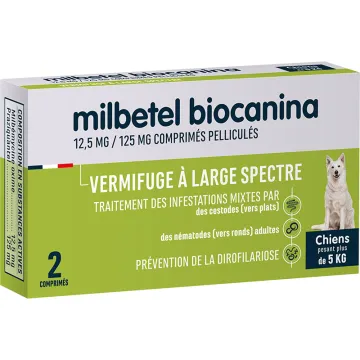
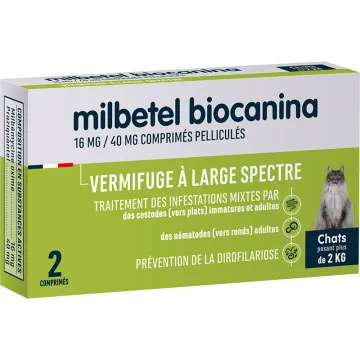
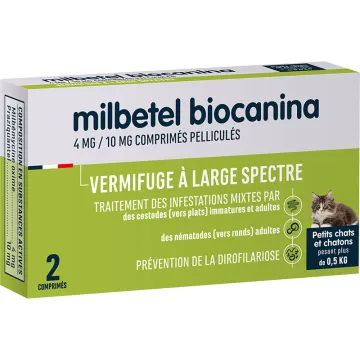
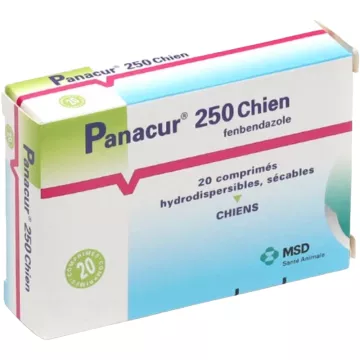
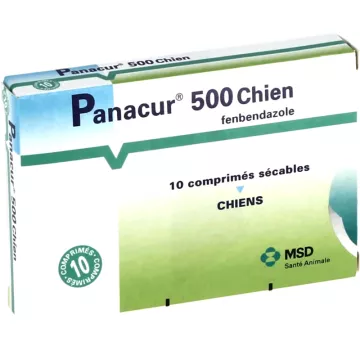
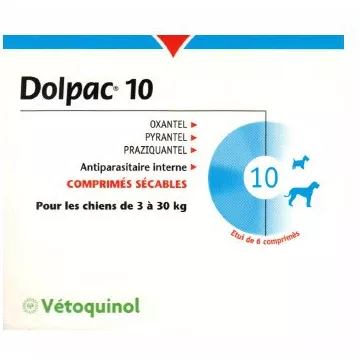
- Dog and cat dewormers: Milbemax, Drontal, Interceptor — broad-spectrum (nematodes + cestodes) — administer at least every 3 months — see our cat dewormer and puppy dewormer lines
- Zoonotic diseases transmitted by animals: Toxocara (larva migrans), Echinococcus — deworming dogs and cats also protects the family
Prevention while traveling and environmental impact
- Travel to tropical regions: consult a travel medicine specialist before departure — malaria chemoprophylaxis appropriate for the destination — blood tests and serology upon return, even without symptoms
- Treated water: filtration (0.1 µm filter) or boiling for 1 minute—Giardia and Cryptosporidium are resistant to standard chlorination
- Safe food: rice, hot cooked foods, fruits that can be peeled — avoid raw vegetables, buffets, and artisanal ice cream
- Skin protection: closed-toe shoes on tropical terrain; DEET or IR3535 repellents against vectors
- Climate change: geographic expansion northward of tropical parasites (leishmaniasis, canine heartworm disease) — enhanced epidemiological surveillance in Southern Europe — see our parasites hub