What is roundworm, and what is its life cycle?
Ascaris (Ascaris lumbricoides) is the largest intestinal nematode in humans—the female can measure up to 35 cm—and one of the most widespread in the world, with more than one billion people infected. Its life cycle is complex, including a pulmonary stage that is often overlooked. It should be distinguished from pinworms (5–10 mm, common in France), which require a different treatment. Our antiparasitic product line offers appropriate deworming treatments.
- Ingestion of eggs: unwashed contaminated fruits or vegetables, untreated water, contaminated soil—the eggs are extremely resistant in the soil (up to 6 years)
- Intestinal larval stage: The larvae hatch in the small intestine and pass through the intestinal wall to reach the liver and then the lungs via the bloodstream
- Pulmonary stage (Löffler’s syndrome): cough, sputum production, mild fever, eosinophilia in the blood—the larvae travel up into the bronchi, move back up the trachea, and are swallowed
- Adult intestinal stage: Adult worms settle in the small intestine—lifespan 1–2 years—each adult female lays 200,000 eggs per day
- Prevalence: very rare in France (imported cases) — endemic in tropical and subtropical regions with limited access to drinking water — see our page on internal parasites
Symptoms, Complications, and Diagnosis
- Asymptomatic forms: common in cases of mild infestation (< 10 worms) — incidental discovery during physical education or spontaneous expulsion of a worm in the stool
- Gastrointestinal symptoms: abdominal pain, nausea, diarrhea, loss of appetite—proportional to the parasite load
- Pulmonary phase (Löffler): dry cough + mild fever + eosinophilia (> 500/µL) — occurs 10–14 days after ingestion — may mimic bronchitis or pneumonia — transient (1–2 weeks)
- Complications of heavy infestation: intestinal obstruction (worm ball obstructing the small intestine — surgical emergency), aberrant migration (worms into the bile duct → cholangitis, or into the appendix → appendicitis), intestinal perforation
- In children: protein malnutrition (worms consume nutrients), stunted growth, anemia—major impact on cognitive and academic development in endemic areas
Diagnosis and Treatment of Ascariasis
See our page on deworming for detailed protocols. Diagnosis is essential before administering any antiparasitic medication.
- Parasitological stool examination (PSE): identification of Ascaris eggs by microscopic examination—3 samples collected on different days to maximize sensitivity—see our page on parasitic infections
- Complete blood count (CBC) + eosinophilia: eosinophils > 500/µL during the larval phase — indicative of the pulmonary phase
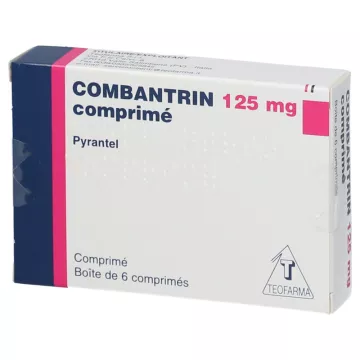
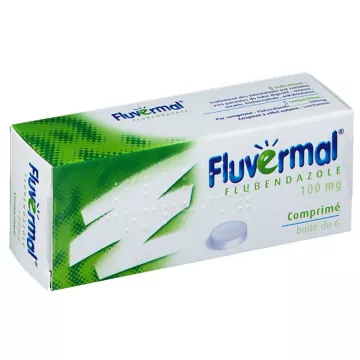
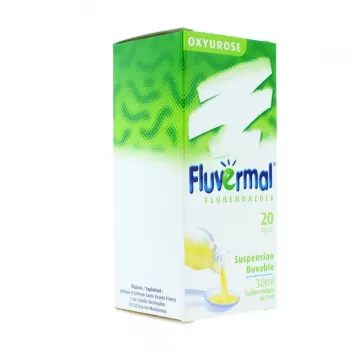
- Flubendazole (Fluvermal®): treatment of choice in France, available without a prescription — single dose — >95% effective against adult worms — does not kill larvae migrating through the lungs
- Albendazole or mebendazole: effective single-dose alternatives—available by prescription
- Pregnancy: Avoid benzimidazoles during the first trimester — medical consultation required — albendazole may be used in the second and third trimesters if infestation is severe
Prevention and correction of associated deficiencies
- Strict food hygiene: Wash fruits and vegetables with clean water or peel them — cook food (eggs are destroyed at 60°C) — do not drink untreated water in high-risk areas
- Hand hygiene: Washhands with soap after gardening or handling soil, and before meals—eggs can survive under fingernails
- Endemic areas: Do not walk barefoot on soil that may be contaminated
- Correction of post-treatment deficiencies: 10–15 mg zinc per day (mucosal immunity) + vitamin C (iron absorption is impaired by the infestation)—especially in children
- Follow-up evaluation: Stool examination 3 weeks after treatment—confirm eradication—repeat treatment if infestation persists—see our page on intestinal parasites