What is a parasitic infection, and how is it classified?
A parasitic infection is an infection caused by a parasite—a living organism that feeds off its host. It is a medical diagnosis that requires precise identification of the parasite before any treatment can be administered. Intestinal parasitic infections affect more than one billion people worldwide. Our line of antiparasitic products covers parasitic infections in both humans and animals.
- Protozoa: single-celled organisms—Giardia lamblia (mountain streams, diarrhea), Entamoeba histolytica (amoebiasis, tropical countries), Cryptosporidium (immunocompromised individuals), Toxoplasma gondii (toxoplasmosis, pregnancy)—treatment with metronidazole or other antiprotozoal agents
- Helminths (worms): nematodes (pinworms, roundworms, hookworms) and cestodes (tapeworms) — treatment with benzimidazoles — see our pages on intestinal worms and deworming
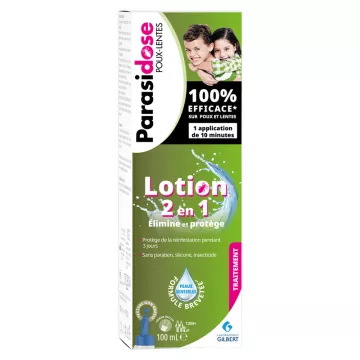
- Ectoparasites: fleas, ticks, lice, scabies (Sarcoptes scabiei) — external location — specific topical treatments
- Acute parasitic infection: sudden onset with symptoms—urgent treatment—e.g., acute amoebiasis, severe giardiasis
- Chronic parasitic infection: may remain asymptomatic for months or years — progressive nutritional deficiencies — diagnosis is often delayed
Symptoms and Diagnosis of Parasitic Infections
- Intestinal symptoms: chronic or acute diarrhea, abdominal pain, bloating, nausea — common to many parasitic infections — see our page on intestinal parasites
- General symptoms: chronic fatigue, unexplained weight loss, anemia, skin rashes (larval migration), nocturnal anal itching (pinworms)
- Parasitological stool examination (PSE): gold standard test—3 samples collected on different days to increase sensitivity—detects eggs, larvae, cysts, and vegetative forms—essential upon return from travel to tropical regions
- Parasitic serology: toxoplasmosis, echinococcosis, schistosomiasis, trichinosis — via blood draw — useful for tissue-based parasitic infections not detectable in stool samples
- Biopsy and imaging: ultrasound (hydatid cyst), CT scan (neurocysticercosis), rectal biopsy (schistosomiasis) — for severe tissue or systemic parasitic infections
Treatment of parasitic infections and management of associated deficiencies
Antiparasitic treatment alone is not sufficient—chronic parasitic infections cause nutritional deficiencies that must be addressed. Find supportive ingredients in our vitamin D3 and zinc product lines.
- Specific antiparasitic agents: benzimidazoles (flubendazole, mebendazole, albendazole) for worms—metronidazole/tinidazole for protozoa—ivermectin (Strongyloides, filariasis)—prescription required for severe cases
- Iron deficiency and anemia: hookworms and whipworms feed on the host’s blood — iron supplementation + vitamin C after antiparasitic treatment
- Vitamin D3 deficiency: malabsorption is common in chronic intestinal parasitic infections — serological testing + supplementation if deficient
- Zinc: disrupted by parasitic infections — essential for immunity and intestinal mucosal healing — 10–15 mg/day as post-treatment support
- Magnesium: often deficient in chronic parasitic diarrhea—supplementation is helpful for reducing associated intestinal spasms and fatigue
At-risk populations, prevention, and travel
- Children: pinworms are very common (finger-to-mouth transmission) — roundworms in tropical countries — systematic family-wide treatment
- Immunocompromised individuals: severe opportunistic parasitic infections (Cryptosporidium, Strongyloides hyperinfection, cerebral toxoplasmosis)—consultation with an infectious disease specialist is essential
- Pregnant women: toxoplasmosis (monthly serology in France if not immune) — giardiasis treated if symptomatic — benzimidazoles not recommended during the first trimester
- Travelers: EPS + serology tests recommended upon return from tropical areas even without symptoms — vaccination record + antimalarial chemoprophylaxis depending on destination
- General prevention: handwashing + fruits and vegetables — cook meat and fish thoroughly — drink treated water in endemic areas — avoid walking barefoot on tropical soil (hookworms) — see our page on internal parasites