What are intestinal worms, and what are the most common types?
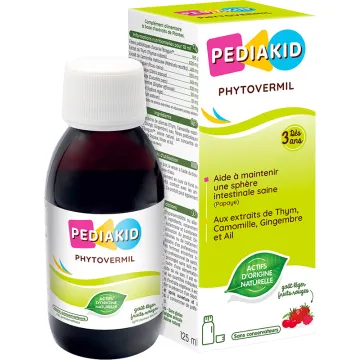
Intestinal worms (helminths) are macroscopic parasites that colonize the human intestine. They are the most common type of intestinal parasitic infestation in France, particularly among children in group settings. Discover our line of antiparasitic products and our complementary natural active ingredients to support the elimination of worms. For specific species, see our dedicated pages on pinworms and roundworms.
- Pinworms (Enterobius vermicularis): the most common in France—especially among children aged 3–12—intense nocturnal anal itching—direct fecal-oral transmission + self-infestation—mandatory family treatment (Fluvermal on Day 0 and Day 14)
- Roundworms (Ascaris lumbricoides): the most widespread worm globally — pulmonary cycle (cough + eosinophilia during the larval phase) — up to 35 cm in length — ingestion of eggs via contaminated soil or vegetables — single dose of flubendazole
- Tapeworm (Taenia saginata/solium): tapeworm transmitted through raw meat (undercooked beef or pork) — segments in the stool — treatment with praziquantel
- Hookworms: penetrate the skin (bare feet on contaminated soil) — iron-deficiency anemia + severe protein deficiencies — common in tropical areas — see our page on intestinal parasites
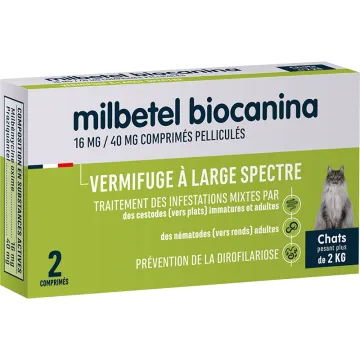
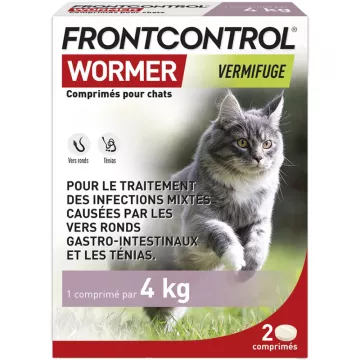
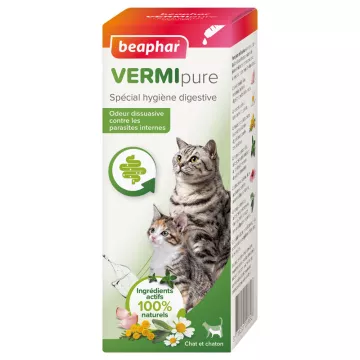
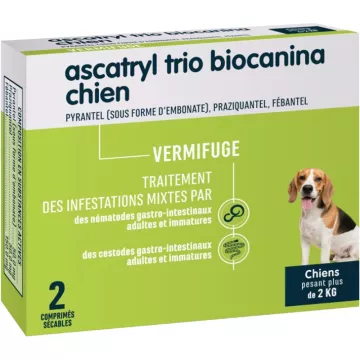
- Transmission via pets: dogs and cats that have not been dewormed can transmit Toxocara and Dipylidium — deworm pets every 3–6 months — see our cat dewormers
Symptoms, Diagnosis, and Complications of Intestinal Worms
- Children: nocturnal anal itching (pinworms) — irritability + sleep disturbances + decreased appetite — abdominal cramps — often associated with nocturnal bruxism (no proven link, but common) — may affect concentration in school
- Adults: symptoms are often mild — unexplained fatigue — digestive issues (bloating, occasional diarrhea) — anal itching — nutritional deficiencies in cases of massive infestation (iron, zinc, and B12 depleted by the parasites)
- Diagnosis: parasitological stool examination (EPS)—3 samples collected 3 days apart (intermittent excretion)—Graham test (perianal tape test in the morning before washing) for pinworms—Complete blood count (eosinophilia = sign of a parasite)
- Complications of untreated infection: intestinal obstruction in cases of massive Ascaris infestation — nutritional deficiencies + growth retardation in children — migration of larvae to other organs (liver, lungs, brain, depending on the species) — Löffler’s pulmonary syndrome (Ascaris)
- Differentiate from protozoal intestinal parasitosis (Giardia, amoebae): no visible worms in the stool — diagnosis via stool PCR — different treatment (metronidazole) — see our parasitosis page
Medical Treatments and Natural Remedies
- Flubendazole (Fluvermal®): the standard antiparasitic treatment in France — 100 mg single dose (roundworms) or on Day 0 and Day 14 (pinworms) — treat the entire family simultaneously — see our page on deworming for complete protocols
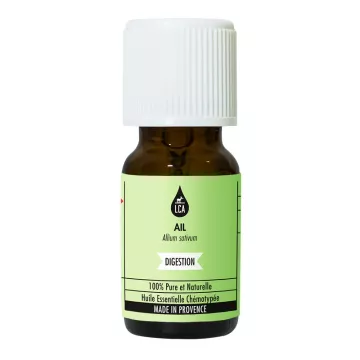
- Garlic (allicin): documented anthelmintic properties—inhibits worm motility and disrupts their cell membranes—2–3 cloves of raw garlic per day (chewed or crushed) + garlic tea—a natural supplement to medical treatment, not a substitute
- Pumpkin seeds (cucurbitacin): paralyze intestinal worms—50–80 g of raw seeds on an empty stomach—documented effectiveness against tapeworms and pinworms—traditionally used in many cultures
- Papaya and carrots (beta-carotene + enzymes): create an intestinal environment hostile to parasites—to be incorporated as a dietary supplement during and after treatment
- Probiotics after treatment: restore the intestinal flora disrupted by the infestation and antiparasitic treatment — Lactobacillus acidophilus + Bifidobacterium — 4–6-week course after treatment
Prevention, Hygiene, and Treatment of Recurrences
- Hand hygiene: Washhands with a brush after using the restroom, before every meal, after contact with animals, and after gardening—the most effective way to break the fecal-oral transmission cycle of pinworms
- Linens and bedding: Change and wash nightwear and bedding at 60°C on the morning of treatment—pinworm eggs can survive for several weeks on fabric surfaces
- Short, clean fingernails: pinworm eggs get lodged under the fingernails during nighttime scratching — cut fingernails very short + brush under the fingernails in the morning
- Treat the entire family at the same time: pinworms spread among all household members—even asymptomatic members must be treated—repeat treatment on Day 0 and Day 14 without exception
- Zinc 15–25 mg/day: Intestinal worms deplete zinc reserves—post-treatment supplementation to restore intestinal immunity—particularly important in children