What are the main intestinal parasites, and how can they be identified?
Intestinal parasites include a wide variety of organisms—worms and protozoa—each with its own mode of transmission, symptoms, and specific treatment. For general medical diagnosis and serological testing, see our page on parasitic infections. Our line of antiparasitic products covers the main indications in humans.
- Pinworms (Enterobius vermicularis): the most common worm in France, especially among children—characterized by nocturnal anal itching—highly contagious (family transmission)—lifespan of 4–6 weeks but with constant reinfection—see our page on pinworms
- Roundworm (Ascaris lumbricoides): the largest intestinal worm (20–35 cm) — fecal-oral transmission — pulmonary phase (cough, fever) + intestinal phase — primarily found in tropical countries — see our roundworm page
- Tapeworm (Taenia saginata/solium): flatworm that can grow to several meters in length—undercooked beef (saginata) or pork (solium)—can survive for several years in the intestine without causing symptoms
- Giardia lamblia: microscopic protozoan—river water and mountain lakes—chronic diarrhea + bloating + fat malabsorption—treatment with metronidazole
- Hookworms (Ancylostoma, Necator): enter the skin through bare feet on contaminated soil—tropical countries—chronic intestinal bleeding → severe iron-deficiency anemia
Symptoms depending on the type of parasite and long-term implications
- Intestinal worms—acute symptoms: abdominal pain, diarrhea, nausea, anal itching (pinworms)—see our page on intestinal worms
- Chronic giardiasis: persistent diarrhea alternating with loose stools, severe bloating, weight loss — malabsorption of fat-soluble vitamins (A, D, E, K) and vitamin B12
- Long-term deficiencies in children: hookworms → anemia → stunted growth and learning difficulties — roundworms → protein malnutrition — the WHO estimates that 800 million children worldwide are infested
- Intestinal obstruction: possible in cases of massive roundworm infestation (a mass of worms obstructing the small intestine)—surgical emergency
- Distinguish from intestinal fungal infections (Candida albicans), which involve fungi rather than worms — different antifungal treatment
Treatment by parasite type and complementary natural remedies
Any antiparasitic treatment must be preceded by a diagnosis—self-medication without identifying the parasite is not recommended. See our deworming page for detailed protocols.
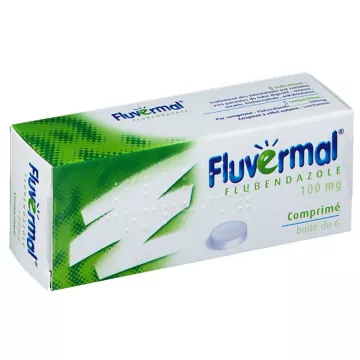
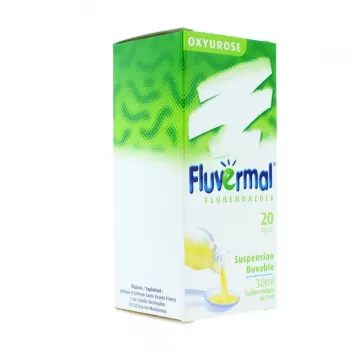
- Benzimidazoles (flubendazole, mebendazole, albendazole): pinworms, roundworms, hookworms, whipworms — flubendazole available without a prescription for pinworms and roundworms — see our page on internal parasites
- Metronidazole/tinidazole: giardiasis, amoebiasis—by prescription—combine with a probiotic after treatment (disrupted gut flora)
- Garlic (allicin): traditional antiparasitic properties against Giardia — complementary to medical treatment, not a substitute
- Pumpkin seeds (Cucurbitaceae): active against tapeworms — use as a supplement to medical treatment
- Post-treatment nutritional support: zinc 10–15 mg/day (mucosal immunity) + vitamin C (iron absorption following hookworm infection)
Prevention and hygiene depending on the parasite
- Routine handwashing: before meals, after using the restroom, after gardening—the primary route of transmission for pinworms, roundworms, and Giardia
- Safe food: meat and fish cooked thoroughly (minimum 65°C) — fruits and vegetables washed or peeled — no raw vegetables in high-risk areas while traveling
- Treated water: Giardia is resistant to standard chlorination—filtration or boiling (1 min) are essential in endemic areas—use bottled water while traveling
- Children: Keep nails short; wash hands thoroughly upon waking (pinworm eggs on the fingers); wash sheets and underwear at 60°C during treatment
- Upon return from a tropical trip: Stool parasitology test (SPT) even without symptoms—some parasitic infections remain asymptomatic for months—follow-up with your primary care physician