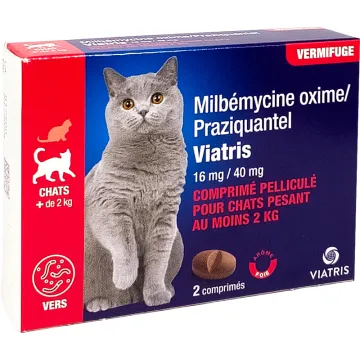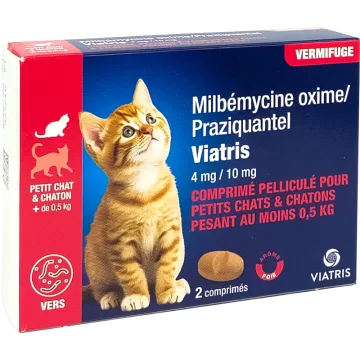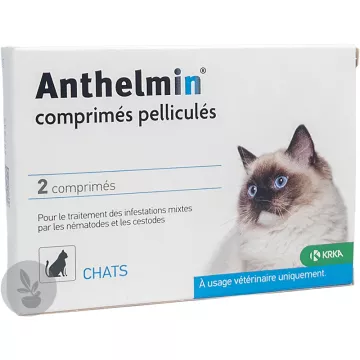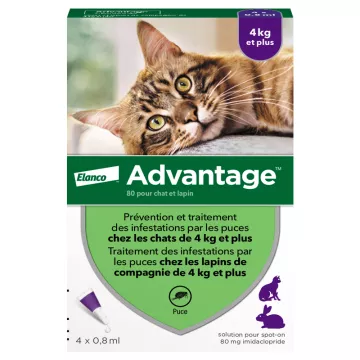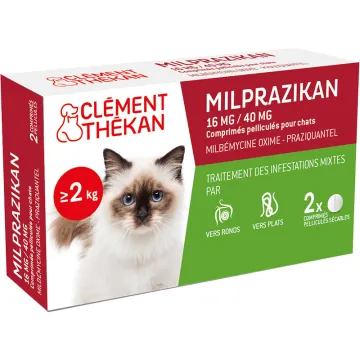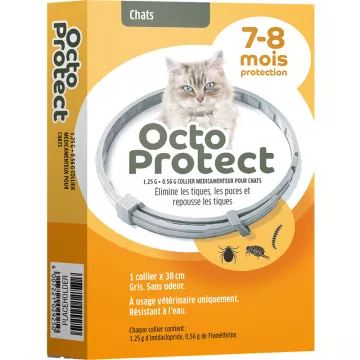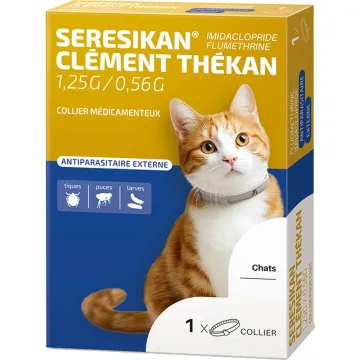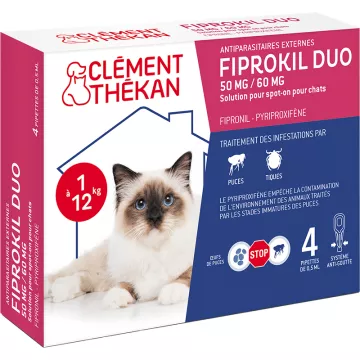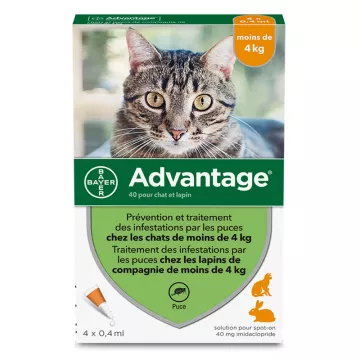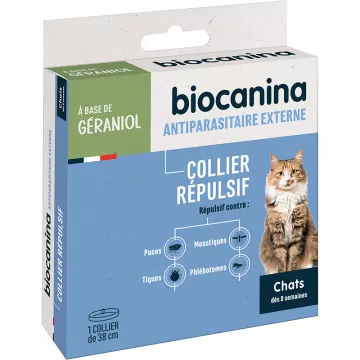
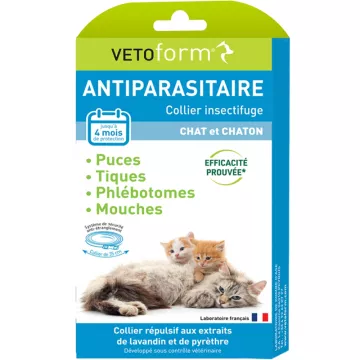


The parasite prevention regimen for adult cats consists of two complementary components:
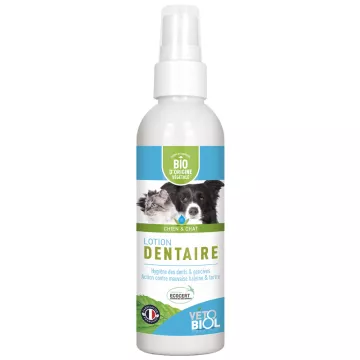
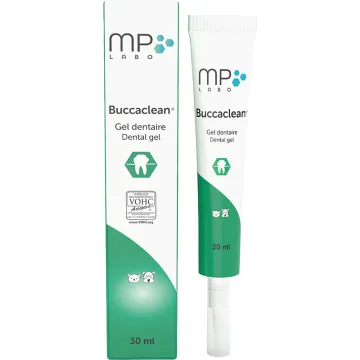
Regular, thorough teeth brushing (enzymatic dental lotion applied to the gums) prevents tartar buildup, which is a gateway to secondary bacteremia—a common condition in adult cats that are not properly cared for.
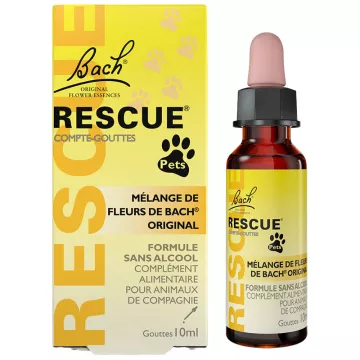
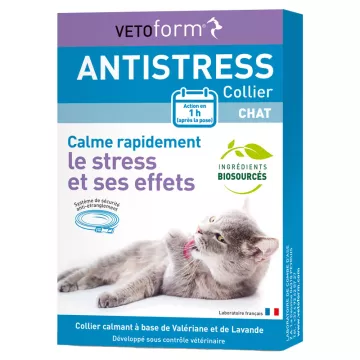
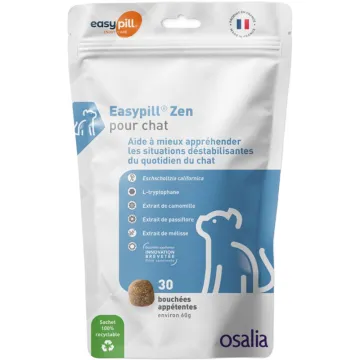
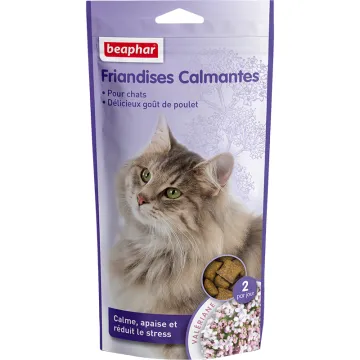
Cats are territorial animals whose emotional balance is easily disrupted by changes in their environment, conflicts with other cats, or the introduction of a new pet. Bach Flower Remedies for animals (a compound formula for emotional distress, administered as a few drops in drinking water or on the paw pads) offer a gentle approach to acute stress or anxiety-inducing situations. Valerian (isovaleric acid, valeranone) in calming treats is a well-tolerated natural anxiolytic—its plant pheromones induce a euphoric effect similar to catnip. Relaxation and a serene human environment directly influence a cat’s anxiety level—a calm home is the first line of anti-stress treatment for a sensitive cat.
A cat’s liver is particularly vulnerable due to its limited glucuronidation enzymes. Hepatic lipidosis (fat accumulation during fasting lasting more than 24–48 hours) is a veterinary emergency specific to cats. Veterinary hepatoprotective supplements (homeopathic formulas or those containing silymarin from milk thistle) support liver cell regeneration and reduce inflammation in cases of moderate liver damage. This protection is particularly recommended for cats undergoing long-term medication, after anesthesia, or when mild poisoning is suspected.
Adult neutered or overweight cats may experience a buildup of metabolic waste products, the elimination of which by the kidneys and liver is slowed. Dandelion (Taraxacum officinale, taraxacin, phytosterols) acts as both a diuretic and a cholagogue—it stimulates glomerular filtration and bile excretion. Detox supplements are used as an adjunct in cases of early-stage kidney failure, urinary stones, or to support a dietary weight-loss program for an obese cat. They do not replace veterinary treatment but can be a useful addition to a comprehensive care plan.
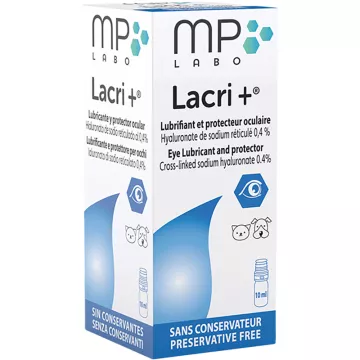
Tartar affects more than 70% of cats over 3 years of age and leads to painful periodontal disease, tooth resorption (FORL), and secondary bacteremia affecting the heart and kidneys. Enzymatic dental lotions (glucose oxidase, lactoperoxidase) are applied directly to the gums without brushing—an accessible alternative for reluctant cats. Active chew treats (0.12% chlorhexidine, bromelain, inositol hexaphosphate) reduce plaque buildup both mechanically and enzymatically. Oral health is directly linked to heart and kidney health in adult cats.