What is relaxation, and how does it work biologically?
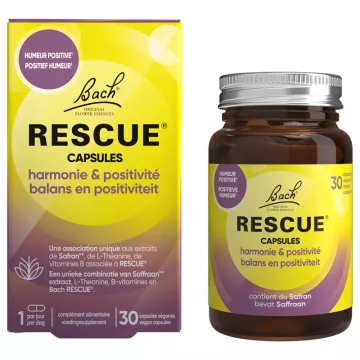
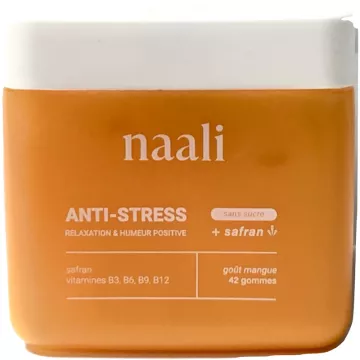
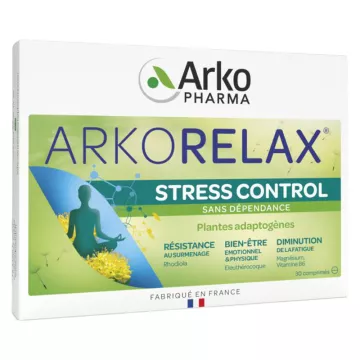
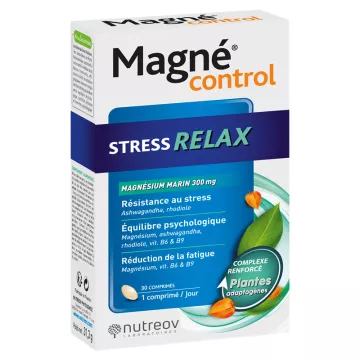
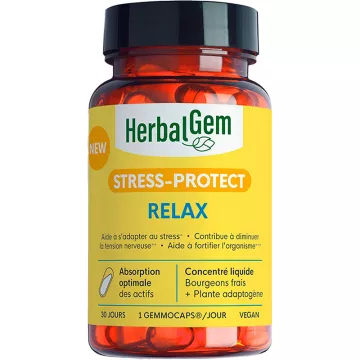
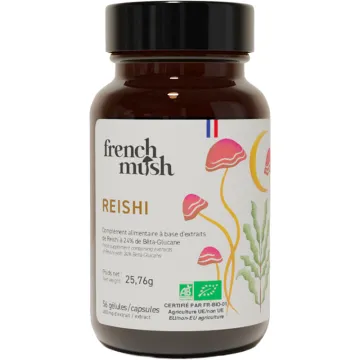
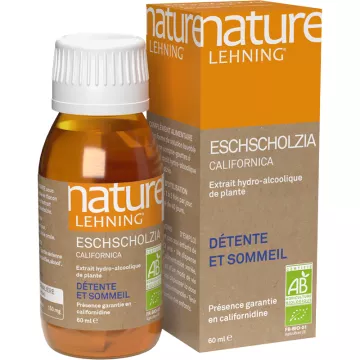
Relaxation is an active physiological state—not simply the absence of effort, but the deliberate activation of the parasympathetic nervous system in opposition to the dominance of the sympathetic nervous system (stress). In 1975, Dr. Herbert Benson described the “relaxation response”: a measurable and reproducible state of metabolic slowing that is the opposite of the stress response. Discover our serenity and well-being products, our stress and sleep supplements, and our anti-stress line to support your relaxation practices.
- Relaxation response (Herbert Benson): decreased heart rate (–5–15 bpm) — decreased blood pressure (–5–10 mmHg systolic) — reduced respiratory rate — increased alpha and theta brain waves (state of waking relaxation) — decreased cortisol — increased serotonin and endorphins — an opposite and symmetrical response to the fight-or-flight response
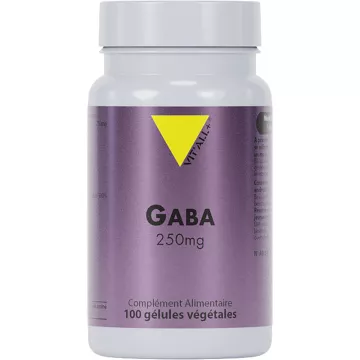
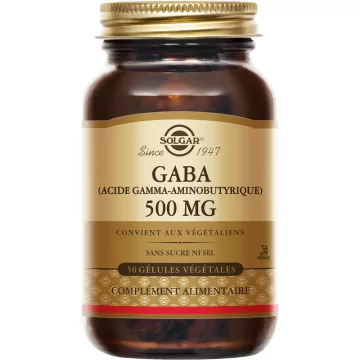
- GABA and muscle relaxation: GABA (the primary inhibitory neurotransmitter) is essential for relaxation — it reduces neuronal excitability in the brain AND muscle tone — magnesium potentiates GABA receptors and blocks NMDA receptors (excitatory glutamate) → dual relaxing effect on the nervous system and muscles
- Heart Rate Variability (HRV): an objective marker of the state of relaxation — measurable with smartwatches — high HRV = dominant parasympathetic system = good state of relaxation — can be trained through cardiac coherence, yoga, and progressive muscle relaxation
- Chronic pain and relaxation: relaxation reduces pain perception through several mechanisms — release of endogenous endorphins — reduction of periarticular muscle tension — modification of descending pain modulation pathways (gate control theory)—progressive muscle relaxation and biofeedback are recognized as effective treatments for chronic pain
- Digestion and the parasympathetic nervous system: the gut-brain axis works both ways — stress inhibits digestion (cortisol → slowed peristalsis, visceral hypersensitivity, irritable bowel syndrome) — relaxation reactivates the enteric nervous system → improved intestinal motility + reduced stress-related bloating and cramps
Physical relaxation techniques and their documented effectiveness
- Progressive muscle relaxation (Jacobson): a technique involving the sequential contraction and relaxation of muscle groups—contract each group for 5–10 seconds, then release abruptly—perception of the tension/relaxation contrast → gradual learning of a relaxed state—documented effectiveness for insomnia, anxiety, tension headaches, and mild hypertension — 20–30 minutes, 5 times a week
- Autogenic Training (Schultz): a technique for self-induced relaxation through suggestion—mental affirmations about the heaviness of the limbs (“my right arm is heavy”) + warmth + heart rate + breathing—induces a state similar to hypnagogic sleep—effective for stress, mild hypertension, migraines, and anxiety disorders
- Cardiac coherence (365 method): 5 minutes — 6 breaths per minute (5-second inhale, 5-second exhale) — 3 times a day — vagus nerve activation → parasympathetic dominance → immediate 20–30% reduction in cortisol — the fastest technique, accessible anywhere, with documented cumulative effects — visit our meditation page for complementary techniques
- Yoga and stretching: Yoga combines postures (asanas) + breathing (pranayama) + mindfulness → triple neuromuscular relaxation — Yin yoga (postures held for 3–5 min) targets deep connective tissues and the nervous system — passive stretching (≥ 30 sec) activates muscle inhibitory reflexes (Golgi organs) → true muscle relaxation
- Biofeedback: an electronic tool that measures physiological signals (muscle tension, heart rate, skin temperature) and feeding them back in real time → conscious learning to control these parameters → relaxation guided by objective data — recommended for tension headaches, post-traumatic stress, irritable bowel syndrome, and chronic pain
Micronutrients and herbs to support relaxation
- Magnesium: essential for neuromuscular relaxation — blocks the release of intracellular calcium → muscle relaxation — potentiates GABA — deficiency (very common) → constant muscle tension, nighttime cramps, nervous hyperexcitability — bisglycinate or glycerophosphate 300–400 mg/evening — results regarding muscle tension are often felt within the first 2 weeks
- Omega-3: reduces neuroinflammation that keeps the nervous system in a state of chronic alertness — improves stress response and recovery capacity — 1–2 g EPA+DHA/day — sardines, mackerel, salmon 2–3 times/week
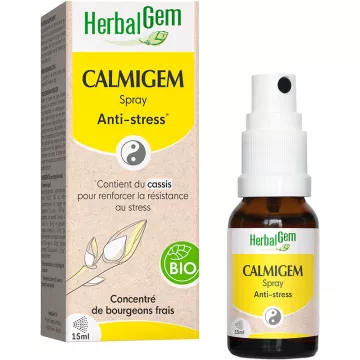
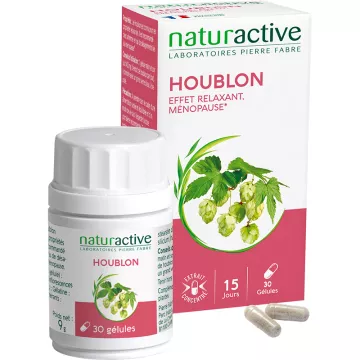
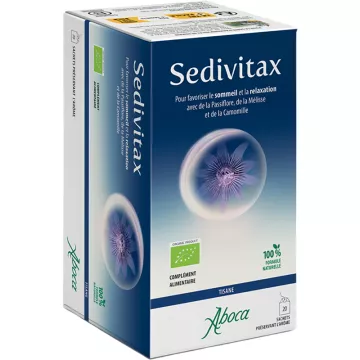
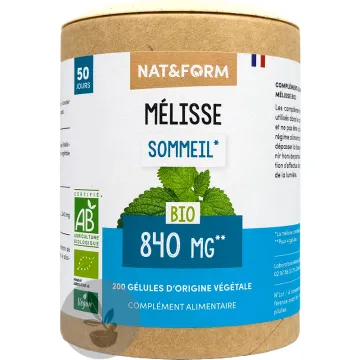
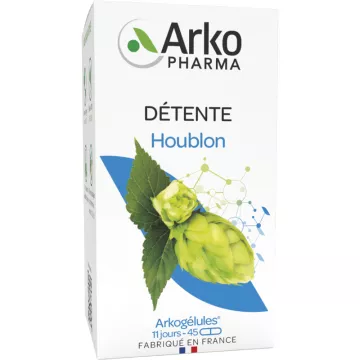
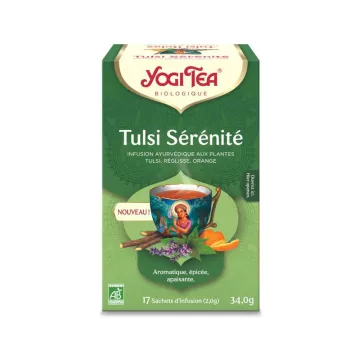
- Valerian + lemon balm + passionflower: a herbal trio for nervous and muscular relaxation — valerian (GABA-A, sleep, mild anxiety) — lemon balm (inhibits GABA transaminase + digestive antispasmodic) — passionflower (potassium channels, ruminations, nighttime restlessness) — combination formulas in capsules or herbal teas — explore our stress, sleep, and relaxation products
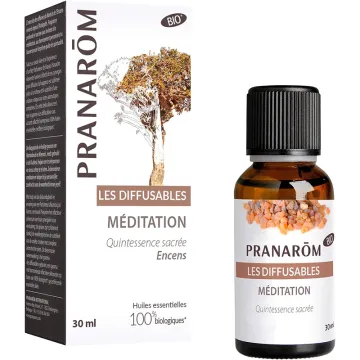
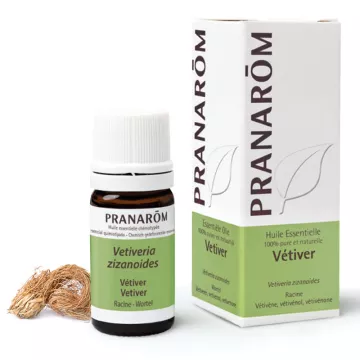
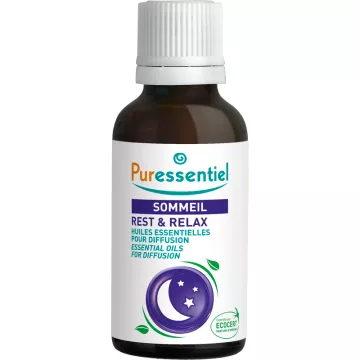
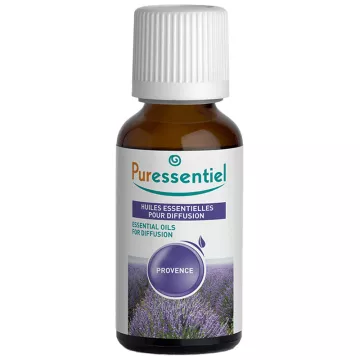
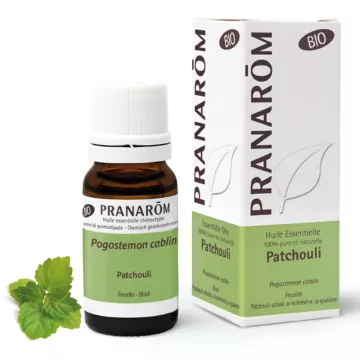
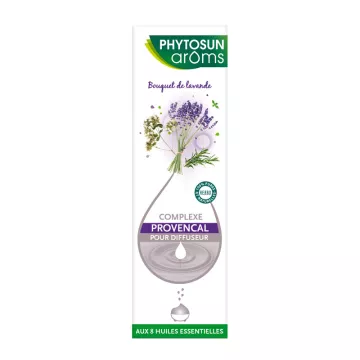
- Essential oils for relaxation: true lavender (documented anxiolytic, Silexan 80 mg/day or diffusion) — Roman chamomile (muscle cramps + nervousness) — marjoram (powerful antispasmodic, ideal for upper back muscle tension) — discover our oils in our essential oils and sleep line
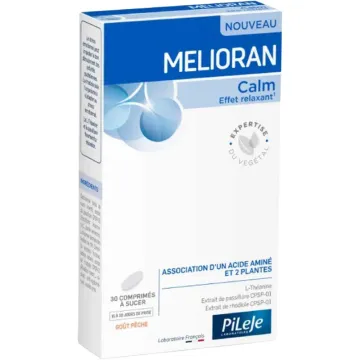
- L-theanine: an amino acid found in green tea—increases alpha brain waves (wakeful relaxation) without causing drowsiness—works synergistically with caffeine (alertness + calm) — 100–200 mg combined with magnesium in daytime relaxation formulas — available in anti-stress supplements
Relaxation, Sleep, Cardiovascular Health, and Sports
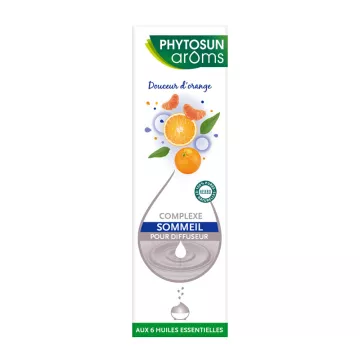
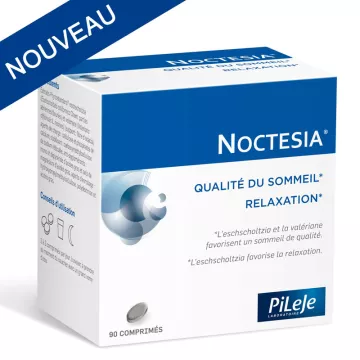
- Sleep and relaxation: pre-bedtime relaxation is one of the most effective strategies for combating insomnia — progressive muscle relaxation + cardiac coherence + valerian/passionflower herbal tea + lavender essential oil = comprehensive protocol — regulates the circadian rhythm + reduces nighttime awakenings + improves deep sleep (stage N3) — check out our relaxation and sleep products
- Cardiovascular Health: Regular relaxation practice reduces systolic blood pressure by 5–10 mmHg in controlled studies—lowers resting heart rate—improves HRV—reduces vascular inflammation (CRP, IL-6)—cardiology societies recommend relaxation as an adjunct treatment for mild to moderate hypertension
- Athletic performance and recovery: post-exercise relaxation accelerates the clearance of muscle lactate + promotes glycogen resynthesis + reduces post-exercise cortisol → better recovery — visualization + pre-competition relaxation reduces performance anxiety and improves concentration — recovery yoga (20 min after training) is particularly well-documented
- Relaxation and Immunity: Chronic cortisol suppresses cellular immunity (T cells, NK cells) — regular relaxation reduces cortisol → better-preserved immunity — studies show that meditators and yoga practitioners have a better vaccine response and fewer winter infections — check out our emotional support supplements
- Relaxation for all ages: children (star breathing, pediatric sophrology, calm games) — teens (nervous exhaustion + exams: cardiac coherence + magnesium) — active adults (5-minute active breaks + lunch yoga) — seniors (gentle yoga + tai chi → balance + relaxation + socialization) — regular practice starting at a young age protects against chronic stress in the long term