What is drainage, and why is it essential for health?
Detoxification refers to the natural process by which the body eliminates toxins and metabolic waste. It is crucial for maintaining balance and the proper functioning of our bodies. Effective drainage can help prevent the buildup of toxins, reduce the risk of diseases linked to the clogging of bodily systems, and promote improved overall health.
What are some natural ways to improve drainage?
Several natural methods can be used to optimize drainage, such as:
How do I know if my drainage system is working properly?
An effective drainage system is indicated by several signs, such as high overall energy levels, the absence of swelling or water retention, and healthy digestion. Signs like persistent fatigue, swelling, or digestive issues may indicate a need to improve your drainage.
Are dietary supplements helpful for drainage?
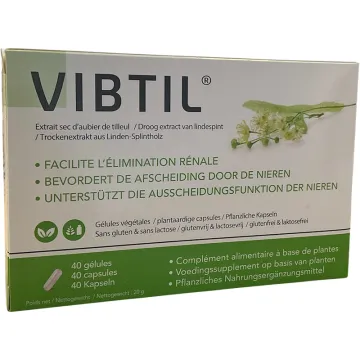
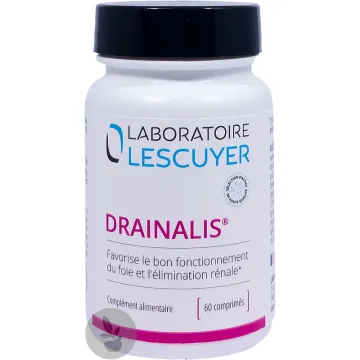
Yes, certain dietary supplements can be beneficial. For example, plant extracts such as dandelion or artichoke are known for their diuretic and detoxifying properties. However, it’s important to choose these supplements wisely and consult a healthcare professional before incorporating them into your routine.
Is lymphatic drainage different from renal drainage?
Absolutely. Lymphatic drainage involves the lymphatic system, which is responsible for filtering waste from the tissues. Renal drainage, on the other hand, refers to the elimination of waste through the kidneys. Although different, these two systems work together to ensure the effective elimination of toxins from the body.
Are there any risks associated with poor drainage?
Insufficient drainage can lead to the accumulation of toxins, causing various health problems such as fatigue, skin problems, digestive issues, and potentially more serious conditions. It is therefore vital to maintain an effective drainage system to preserve good health.
Can I improve my drainage through lifestyle changes?
Absolutely. Changes such as adopting a diet rich in fruits and vegetables, engaging in regular physical activity, reducing alcohol and tobacco use, and managing stress effectively can significantly improve your natural drainage.
What role does the liver play in the drainage process?
The liver plays a central role in drainage and detoxification. It filters the blood, breaks down toxins, and facilitates their elimination. Maintaining liver health is therefore crucial for optimal drainage.
Does sleep affect drainage?
Indeed, sleep plays a vital role in the drainage process. During sleep, the body regenerates and undergoes intense detoxification, particularly in the brain. A lack of sleep can therefore hinder this vital process, leading to an increased buildup of toxins. It is therefore essential to ensure optimal sleep quality for effective drainage.
Are there specific practices to stimulate lymphatic drainage?
Absolutely. Practices such as yoga, reflexology, and Pilates are known to stimulate lymphatic drainage. These activities promote circulation and help eliminate toxins. In addition, techniques such as dry skin brushing are also beneficial for stimulating lymphatic circulation.
How does stress affect drainage?
Stress has a direct and negative impact on the lymphatic system. It can hinder the optimal functioning of the lymphatic and renal systems , thereby contributing to the accumulation of toxins. Managing stress through relaxation or meditation techniques is therefore crucial for effective lymphatic drainage.
Can we measure the effectiveness of drainage in our bodies?
Although there is no direct method for measuring the effectiveness of drainage, certain tests—such as blood or urine tests—can provide insights into how the body’s toxin-elimination systems are functioning. However, listening to your body remains the best way to determine the effectiveness of your drainage.