What is an internal parasite, and what are the main categories?
Internal parasites (endoparasites) are organisms that live inside the human body—in the intestines, tissues, blood, or organs—at the expense of their host. Unlike ectoparasites (fleas, ticks), most of them are invisible to the naked eye. Discover our complementary natural ingredients and antiparasitic products to support treatment.
- Intestinal parasites (helminths): intestinal worms— pinworms, roundworms, tapeworms, hookworms—live in the intestinal lumen and feed on nutrients absorbed by the host—the most common in France
- Tissue parasites: larvae that migrate through tissues—Toxocara (dog/cat, retinal and hepatic migration)—Echinococcus (hydatid cysts of the liver and lung)—Trichinella spiralis (raw pork, muscles)
- Blood and systemic parasites: Plasmodium (malaria, transmitted by Anopheles mosquitoes) — Leishmania (cutaneous, visceral) — Trypanosoma (sleeping sickness, Chagas disease) — Toxoplasma gondii (50–80% of French adults are immune)
- Single-celled parasites (protozoa): Giardia lamblia (contaminated water, chronic diarrhea) — Entamoeba histolytica (amoebiasis, amoebic dysentery) — Cryptosporidium (immunocompromised individuals, waterborne contamination)
- Distinguishing between ectoparasites and endoparasites: Ectoparasites (fleas, ticks, scabies) are treated differently—some also act as vectors for internal parasites (ticks transmit Babesia)—see our page on external parasites for skin treatments
Symptoms, Diagnosis, and Complications
- Gastrointestinal symptoms: diarrhea + bloating + abdominal pain + nausea — characteristic of intestinal parasites — see our pages on intestinal parasites and intestinal worms
- General symptoms: unexplained chronic fatigue—weight loss despite a normal appetite—nighttime anal itching (pinworms)—skin itching (hookworms or larva migrans)—iron-deficiency anemia (hookworms, tapeworms)
- Serious suggestive signs: blood eosinophilia (complete blood count—a systematic indicator of parasitic infection)—fever upon return from travel (malaria until proven otherwise)—visual disturbances + spots in the visual field (ocular Toxocara)
- Diagnosis: parasitological stool examination (EPS × 3) — specific serological tests (Toxocara, Echinococcus, Toxoplasma) — Fecal PCR (Giardia, Cryptosporidium) — blood smear + thick smear (malaria) — see our parasitic infections page for a complete evaluation
- Long-term complications: nutritional deficiencies (iron, zinc, B12, protein) — growth retardation in children — intestinal obstruction (massive Ascaris infection) — organ damage (hepatic or pulmonary hydatid cyst) — neurological disorders (neurocysticercosis)
Antiparasitic treatments and natural support
- Intestinal helminths: flubendazole (Fluvermal® 100 mg) — albendazole (Zentel®) — praziquantel (tapeworms) — see our deworming page for detailed treatment protocols by parasite
- Protozoa: metronidazole (Flagyl®, Giardia + amoebiasis) — tinidazole — nitazoxanide (Cryptosporidium) — antimalarials depending on the Plasmodium species (specialized prescriptions)
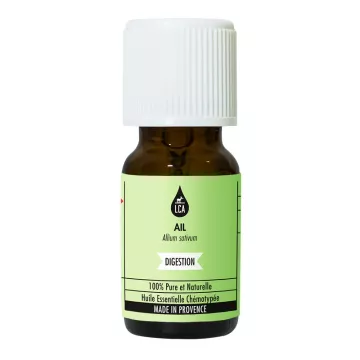
- Complementary natural remedies: garlic (allicin, natural dewormer) — pumpkin seeds (cucurbitacin, paralyzes worms) — papaya (papain, antiparasitic enzyme) — thyme and oregano (carvacrol, documented antiprotozoal activity) — to be used in conjunction with medical treatment, never as a substitute
- Post-treatmentprobiotics: intestinal parasites disrupt the gut flora — Lactobacillus acidophilus + Bifidobacterium — take for 4–6 weeks after antiparasitic treatment to restore the microbiota
- Zoonoses: after treating pets — deworm cats regularly (every 3 months) and dogs (every 3–6 months) — to reduce the risk of Toxocara and Dipylidium transmission to humans
Prevention, Travel, and Climate Change
- Basic hygiene: Wash hands with a brush after using the restroom, before meals, and after contact with soil or animals—drink filtered or boiled water (protozoa resistant to chlorination)—eat well-cooked food (tissue-dwelling helminths)
- Travel to tropical regions: antimalarial chemoprophylaxis before any stay in an endemic area (medical prescription required) — DEET or IR3535 repellents — treated mosquito nets — avoid walking barefoot on damp ground (hookworms) — consult a travel medicine center
- Immunocompromised individuals: increased risk of severe forms (Cryptosporidium, Isospora, Strongyloides) — routine screening before any immunosuppressive treatment — Strongyloides stercoralis: test for routinely (potentially fatal hyperinfestation possible while on corticosteroids)
- Climate change and geographic expansion: Plasmodium falciparum is spreading northward — Leishmania is spreading in the French Mediterranean region — Ticks (vectors of Babesia and Borrelia) are spreading northward — increased vigilance in metropolitan France
- Consult a physician if: returning from travel with a fever → assume malaria until proven otherwise — unexplained eosinophilia — chronic diarrhea lasting > 3 weeks — unexplained weight loss — see our parasitic infections page for recommended workups