What are the most common external parasites in pets?
External parasites in pets—dogs, cats, and rabbits—pose a health risk to both the animal and the household. Quickly identifying the type of parasite is key to effective treatment. Discover our line of flea and tick treatments for dogs and cats.
- Fleas (Ctenocephalides felis/canis): the most common — jump from the animal to the environment — intense itching, small black dots (feces) in the coat — a single infested animal can contaminate the entire household — treatment of both the animal and the environment is mandatory
- Ticks (Ixodes, Dermacentor, Rhipicephalus): attach themselves to the skin — transmit Lyme disease, ehrlichiosis, babesiosis — remove immediately with a tick remover — never use alcohol or petroleum jelly
- Mites (Sarcoptes, Demodex, Otodectes): sarcoptic mange (extremely itchy, contagious to humans), demodicosis (immunocompromised dogs), ear mites (brown earwax in a cat’s ears)
- Lice (Trichodectes, Linognathus): species-specific—not transmissible to humans—causing itching and keratosis
- Cheyletiella: mite found on dogs, cats, and rabbits — characteristic moving flakes — temporarily contagious to humans
How is an external parasite infestation diagnosed?
- Suggestive clinical signs: intense and repeated scratching, biting of the tail or paws, localized hair loss, skin redness, papules, scabs
- Fine-tooth comb test (fleas): comb the animal over damp white paper—flea feces turn red when moistened (digested blood)—a nearly pathognomonic sign
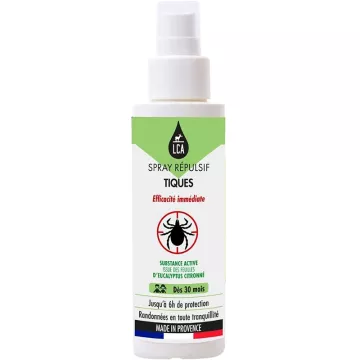
- Direct inspection (ticks): Feel the skin beneath the coat after every outing in wooded areas—check the head, neck, legs, between the toes, and around the ears—see our tick prevention products
- Veterinary examination (mites): skin scraping + microscopic examination for Sarcoptes or Demodex — ear swab for Otodectes
- Consult a veterinarian if: significant skin lesions, weight loss, lethargy, fever—signs suggestive of a parasite-borne disease
Which external parasite treatments should you choose?
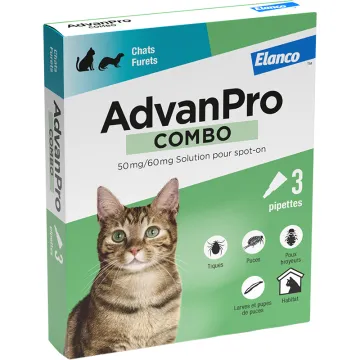
- Spot-on pipettes: applied monthly to the back of the neck—effective against fleas, ticks, and, depending on the formula, mites—separate products for dogs and cats —permethrin is toxic to cats
- Antiparasitic collars: 3–8 months of protection — release insecticides (imidacloprid, flumethrin, deltamethrin) — effective against fleas and ticks
- Oral tablets (isoxazolines): fluralaner, sarolaner, afoxolaner — protection lasts 1 to 3 months — highly effective against fleas and ticks — veterinary prescription required
- ENVIRONMENTAL TREATMENT IS MANDATORY: 95% of fleas (eggs, larvae, nymphs) live in the environment — insecticide sprays + IGRs (insect growth regulators) on floors, carpets, and bedding — without treating the environment, recurrence is certain
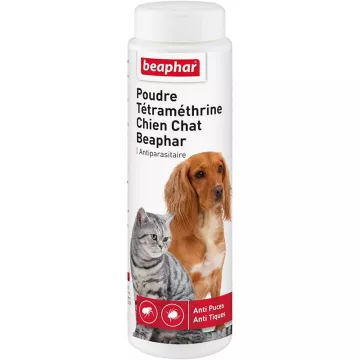
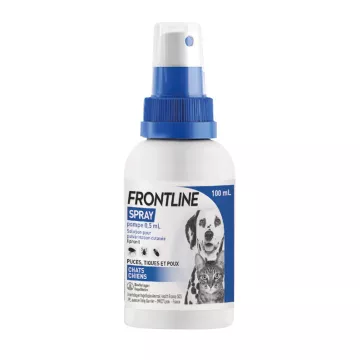
- Sprays and shampoos: fast-acting but short-lasting — useful for emergency treatment or as a supplement
Zoonoses, multi-pet households, and prevention
- Risks of transmission to humans: Lyme disease (ticks), temporary sarcoptic mange, cheyletiellosis—any suspected zoonosis requires simultaneous consultation with a human physician and a veterinarian
- Multi-pet households: treat all pets simultaneously—never use a product intended for dogs on cats (permethrin)—wash all bedding at 60°C—vacuum all surfaces (use a disposable bag)
- Species-specific considerations: Kittens and puppies require age-appropriate formulations — rabbits and reptiles: veterinary protocols only
- Annual prevention: monthly spot-on treatment year-round in high-risk areas — never skip treatment in winter (fleas survive indoors)
- Natural remedies (neem oil, apple cider vinegar): effectiveness not scientifically proven — may be used as a supplement but do not replace approved treatments