0
Menu

Puppy: puppy formula, dewormer, shampoo, and ear care

Filter
Number of products : 30
Sort
Sort
Close
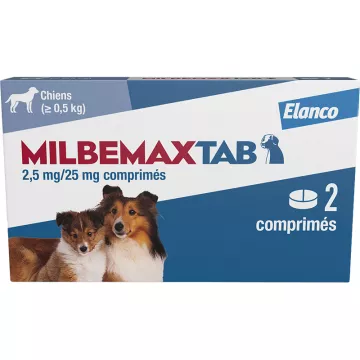
MilbemaxTab Vermifuge Small Dogs & Puppies 0.5 - 10 kg 2 tablets MilbemaxTab Vermifuge Small Dogs & Puppies 0.5 - 10 kg 2 tablets
€5.15
Shipped within 24h
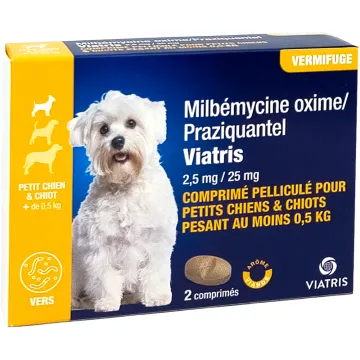
Milbemycin / Praziquantel Viatris Puppy - Small Dog x2 Milbemycin / Praziquantel Viatris Puppy - Small Dog x2
€4.13
Shipped within 24h
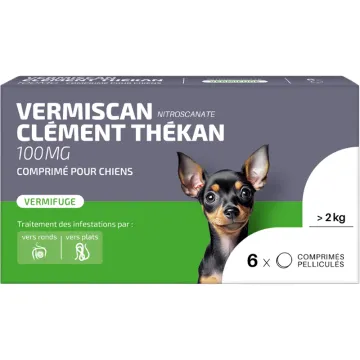
Vermiscan Clément Thékan Puppy Dewormer for Small Dogs, 6 Tablets Vermiscan Clément Thékan Puppy Dewormer for Small Dogs, 6 Tablets
€7.96
Shipped within 24h
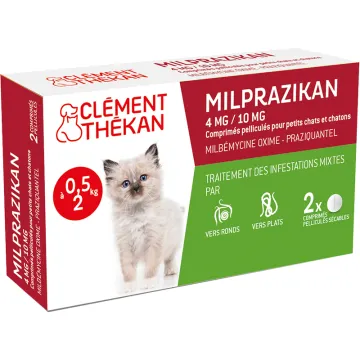
Milprazikan for kittens and young cats, 2 tablets, Clément Thékan Milprazikan for kittens and young cats, 2 tablets, Clément Thékan
€7.49
Shipped within 24h
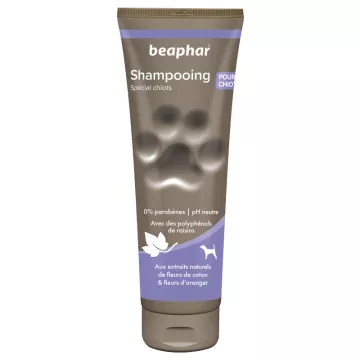
Beaphar Premium Puppy Shampoo 250 ml Beaphar Premium Puppy Shampoo 250 ml
€8.69
Shipped within 24h
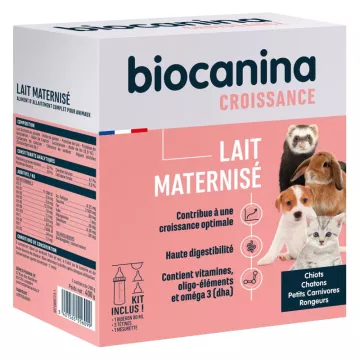
Biocanina Growth Formula 400 g Biocanina Growth Formula 400 g
€16.36
Shipped within 24h
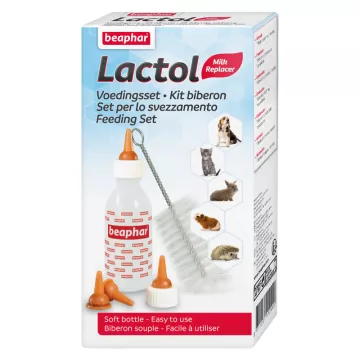
Beaphar Kit Biberon Teats Et Goupillon Beaphar Kit Biberon Teats Et Goupillon
€8.49
Shipped within 24h
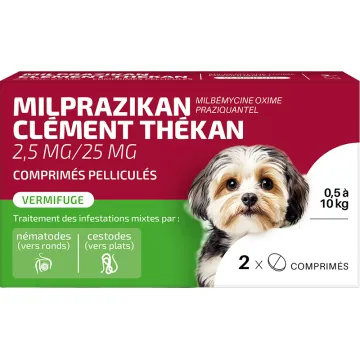
Milprazikan for Small Dog Puppies, 2 tablets, Clément Thékan Milprazikan for Small Dog Puppies, 2 tablets, Clément Thékan
€5.99
Shipped within 24h
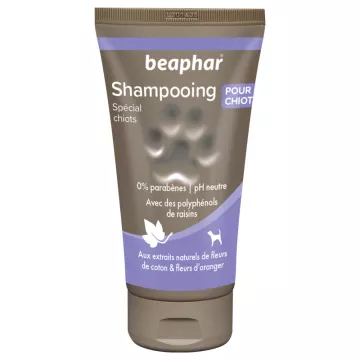
Beaphar Premium Puppy Shampoo 30 ml Beaphar Premium Puppy Shampoo 30 ml
€2.69
Shipped within 24h
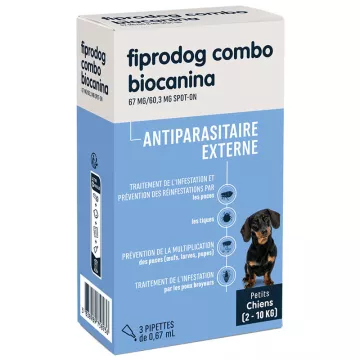
Biocanina Fiprodog Combo, Box of 3 Pipettes Biocanina Fiprodog Combo, Box of 3 Pipettes
Little dog Medium Dog +
€13.69
Add to cart
Ships in 5-7 business days
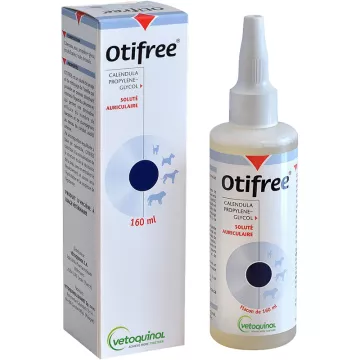
Otifree Ear Cleansing Solution for Dogs, 160 ml Otifree Ear Cleansing Solution for Dogs, 160 ml
€13.99
Replenishment in progress
TVM Infant Formula 200 g TVM Infant Formula 200 g
€9.90
Ships in 5-7 business days
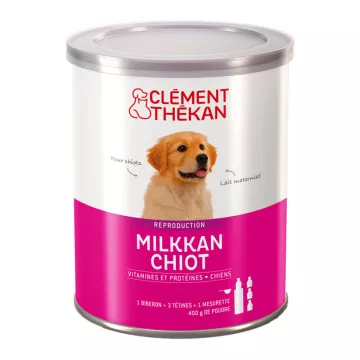
Milkan Puppy Formula 400 g Clement-Thékan Milkan Puppy Formula 400 g Clement-Thékan
€13.49
Sent in 5 in 7 working days
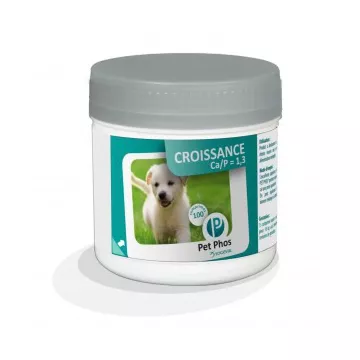
Pet-Phos Growth for Dogs, Cap 1.3, 100 Tablets Pet-Phos Growth for Dogs, Cap 1.3, 100 Tablets
€23.99
Currently being restocked
TVM Optima Puppy & Kitten Formula TVM Optima Puppy & Kitten Formula
400 g 200 g
€21.99
Add to cart
Replenishment in progress
Milkkan Puppy and Kitten Formula 400G Clement-Thekan Milkkan Puppy and Kitten Formula 400G Clement-Thekan
€15.55
Sent in 5 in 7 working days
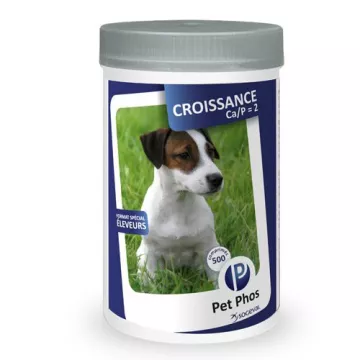
Pet-Phos Growth Cap 2 for Dogs, 100 tablets Pet-Phos Growth Cap 2 for Dogs, 100 tablets
€29.49
Currently being restocked
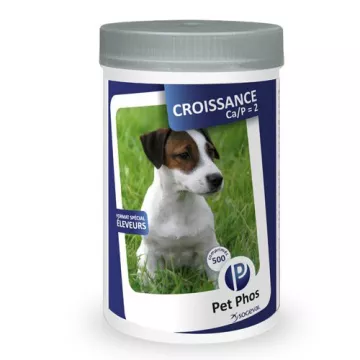
Pet-Phos Growth Cap2 for Dogs, 500 tablets Pet-Phos Growth Cap2 for Dogs, 500 tablets
€99.99
Currently being restocked
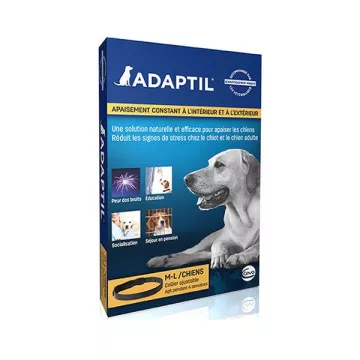
Adaptil Calm Anti-Stress Collar for Dogs Adaptil Calm Anti-Stress Collar for Dogs
Medium Dog Little dog
€31.49
Add to cart
Shipped in 5 to 7 days
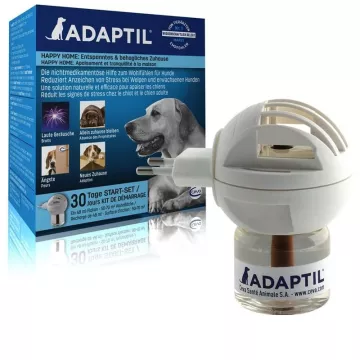
Adaptil Electric Diffuser + 48 ml Refill by Ceva Adaptil Electric Diffuser + 48 ml Refill by Ceva
€33.99
Shipped in 5 to 7 days
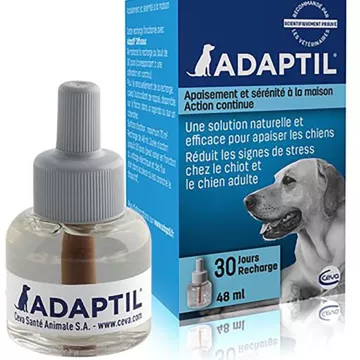
Adaptil Outdoor Solution for Diffuser, 48 ml, Ceva Adaptil Outdoor Solution for Diffuser, 48 ml, Ceva
€25.10
Shipped in 5 to 7 days
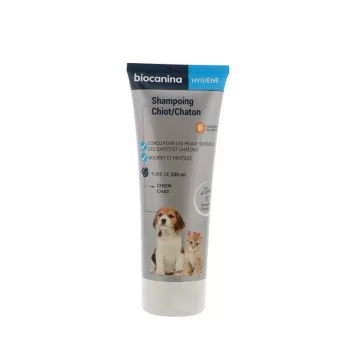
Biocanina Puppy and Kitten Shampoo 200 ml Biocanina Puppy and Kitten Shampoo 200 ml
€9.25
Shipped in 5 to 7 working days
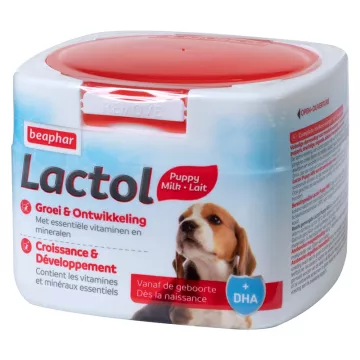
Beaphar Lactol Formula Milk for Puppies Beaphar Lactol Formula Milk for Puppies
250 g 500 g
€11.39
Add to cart
Shipped in 5 to 7 working days
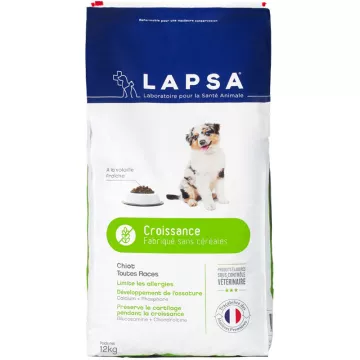
Lapsa Puppy Growth Dry Food Lapsa Puppy Growth Dry Food
12 kg 4 kg
€69.94
Add to cart
Not in stock
TVM Tari Dog Anti-Milk Formula for Female Dogs & Cats, 30 tablets TVM Tari Dog Anti-Milk Formula for Female Dogs & Cats, 30 tablets
€16.99
Replenishment in progress

How do you feed an orphaned or prematurely weaned puppy?

An orphaned puppy requires canine formula (7–8% protein, 4–5% fat, low in lactose). Cow’s milk is not recommended—its high lactose content causes osmotic diarrhea. A special bottle or syringe can be used for feeding during the first few weeks. Stimulating urination and defecation (by gently wiping the perineal area with a damp cotton ball after each meal) is essential until the puppy is 3 weeks old. Teething begins around 3–4 weeks (baby teeth) and is complete by 7–8 weeks—puppies teething exhibit irritability and excessive drooling similar to that seen in teething infants.

When and how should a puppy be dewormed for the first time?

Infection with Toxocara canis can occur as early as birth (intrauterine transmission and via mother’s milk). The deworming schedule is as follows:

  • 2, 4, 6, and 8 weeks: routine deworming with weight-appropriate formulations (starting at 0.5 kg)
  • Every month until 6 months of age: continuous coverage during the high-risk growth period
  • Every 3 months as an adult: standard quarterly maintenance

Echinacea (alkamides and polysaccharides) can support a young dog’s immature immune system during transitional periods (weaning, arrival in a new home)—it does not replace vaccination but reduces vulnerability to intercurrent infections.

How do you bathe a puppy and care for its immature skin?

A puppy’s skin is thinner and more permeable than that of an adult dog—harsh surfactants can cause irritation and disrupt the skin microbiome. Special puppy shampoos (pH-neutral, ultra-mild, tear-free, sulfate-free) are gentle on this immature skin. Bathing should be infrequent during the first three months:

  • No baths before 8 weeks (inadequate thermoregulation)
  • Dry thoroughly and immediately after each bath to prevent the puppy from getting cold
  • Special care for skin folds (Shar-Pei, Bulldog) to prevent maceration

Contact irritation in skin folds resemblesdiaper rash in infants—the same mechanism of maceration, friction, and local bacterial superinfection.

How do you clean a puppy’s ears and prevent ear infections?

Breeds with floppy ears (Cocker Spaniel, Labrador, Golden Retriever, Beagle) have poorly ventilated ear canals, which are prone to earwax buildup and the growth of Malassezia. Cleaning is done by applying a ceruminolytic solution to the ear canal, massaging it at the base of the ear, and then allowing it to drain naturally—never use cotton swabs. Getting the puppy used to this routine starting at 8 weeks of age (even if the ears aren’t dirty) helps the adult dog adapt positively. This gentle, regular ear care—much like the mild liniment used for infants’ skin folds—is based on the same principles of preventing maceration and maintaining consistency.

How can you support a puppy’s growth and sleep?

Newborn puppies sleep 20 to 22 hours a day—this sleep is essential for growth and brain maturation. Consistent routines (a dedicated space, litter fabric, dim lighting) help regulate the circadian rhythm. Natural calming supplements (valerian, synthetic maternal pheromones) reduce separation anxiety without causing sedation. The need for sleep gradually decreases as the puppy’s nervous system matures.