What is teething?
Teething refers to the natural process by which baby teeth break through an infant’s gums. This process generally begins around 6 months of age—sometimes earlier or later, depending on the baby—and continues until the child is about 2 to 3 years old, by which time all 20 baby teeth have erupted.
The order of eruption usually follows a classic pattern: lower central incisors, upper central incisors, lateral incisors, first molars, canines, and second molars. Each tooth’s eruption may be accompanied by varying degrees of discomfort: some babies go through this period calmly, while others exhibit clearly noticeable symptoms. The pain results from gum inflammation as the tooth pushes through, which explains the crying and irritability. For infants and babies in general, additional resources are available.
What are the signs to look for?
Several signs indicate that teething is underway:
- Red, swollen, and sometimes bluish gums around the tooth that is coming through
- An increased urge to chew on things: fingers, toys, teething rings, clothing
- Excessive drooling, sometimes accompanied by irritation around the mouth, chin, and neck
- Irritability, more frequent crying, restlessness
- Sleep disturbances, unusual nighttime awakenings
- Red cheeks, sometimes warm
- Decreased appetite, sometimes refusal of bottles or the breast
- Slightly elevated temperature (up to 38 °C maximum)
- Stools may be looser or more frequent (without actual diarrhea)
- More pronounceddiaper rash
Teething never causes a high fever (above 38.5°C), severe diarrhea, repeated vomiting, or a marked deterioration in the child’s overall condition. If these signs are present, you should always look for another cause (viral infection, ear infection, gastroenteritis) and consult a doctor. For irritated gums in general, specific remedies are available.
How can you relieve the pain?
Several soothing measures provide effective relief:
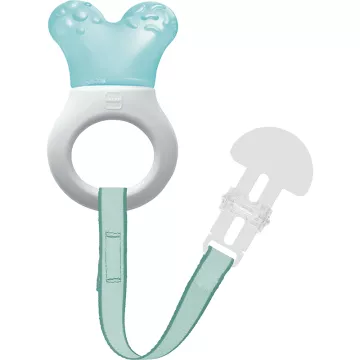
- Teething rings that comply with the EN 71 standard, are BPA-free and phthalate-free, and made of food-grade silicone or natural rubber
- Chilled rings (refrigerator, never the freezer): the cold soothes gum inflammation
- Gum massage with a clean finger or a cold, damp compress, using gentle, circular motions
- A cold compress applied briefly to the cheek on the side of the tooth
- Rattles or teething toys to chew on, which are clean and age-appropriate
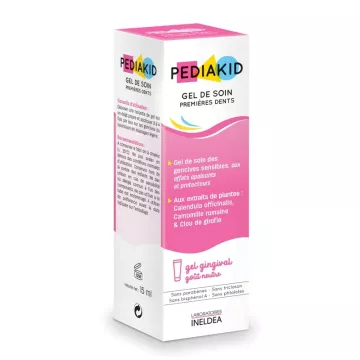
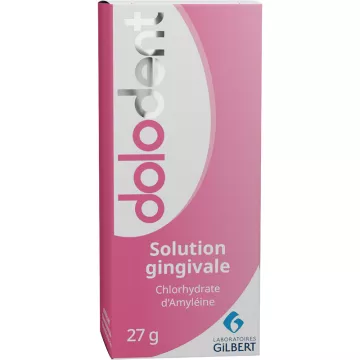
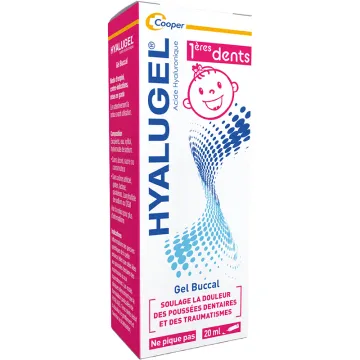
- Soothing gum gels specifically for babies: made with plant extracts (chamomile, mallow, calendula), to be applied with a gentle massage, as advised by a pharmacist
- Cool water for children who have started solid foods
- Appropriatefresh foods (very cold fruit puree, raw vegetables held firmly by an adult to prevent choking, stale bread for children who can chew)
- Hugs, carrying, and reassurance: the emotional aspect is just as important as physical care
Specific products are available for gum protection and sensitive gums in general.
Which soothing products should you choose?
Several categories of products are available to help with teething:
- Soothing herbalgum gels (chamomile, mallow, marshmallow) that are sugar-free, alcohol-free, and formulated specifically for babies
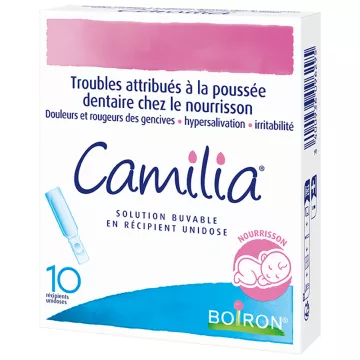
- Pediatrichomeopathic granules based on family preferences (as advised by a pharmacist)
- Food-grade siliconeteething rings, EN 71 certified
- Refrigerated rings filled with gel or water, approved for food contact
- Silicone or naturally treated woodenteething rattles
- Absorbent bibs and protective balms to prevent rashes around the mouth
- Hypoallergenic creams for red, saliva-irritated cheeks
Amber necklaces are not recommended by health authorities (risk of strangulation and choking; effectiveness not proven). Over-the-counter gels containing lidocaine should not be used on infants: risk of serious cardiac and neurological disorders. Honey on the gums is strictly prohibited before age 1 (infant botulism). In cases of severe, persistent pain, pediatric acetaminophen —taken as prescribed or under a pharmacist’s guidance—remains the preferred pain reliever for infants. Ibuprofen is not recommended before 3 months of age and requires medical advice for infants. For generalinfant soothing, specific resources are available.
When should you see a doctor?
Several situations warrant a pediatric consultation:
- A fever higher than 38.5 °C or a prolonged fever (teething alone does not cause a true fever)
- Severe or repeated diarrhea
- Repeated vomiting
- Prolonged refusal to eat or weight loss
- Changes in general condition: baby is lethargic, drowsy, or unresponsive
- Very intense, inconsolable, and unusual crying
- Local signs of infection: oozing, persistent bad breath, visible lesions around the gums
- Associated ear infections (onset of ear pain)
- Breathing difficulties
- Delayed eruption of first teeth beyond 15 months (normal variations, but should be reported to the pediatrician)
- Visible abnormalities in tooth eruption or appearance
A visit to a pediatric dentist as soon as the first teeth appear (or no later than around 1 year of age) allows for an assessment of proper oral development and provides initial hygiene guidance. For fever and colic in infants in general, specific resources are available.
Should you adjust feeding and sleep routines?
Teething can temporarily disrupt a baby’s eating and sleeping patterns. Several adjustments can make this period easier:
- Cool or coldfoods that are well tolerated (chilled yogurt, refrigerated fruit compote, warmed purees)
- Soft textures that are less painful to chew
- Small portions offered more frequently
- Keep the childhydrated with plain water that is low in minerals once they’ve started solid foods
- Breastfeeding on demand is often soothing for breastfed babies (sucking provides relief)
- Cubes of frozen breast milk to let melt in the mouth (under supervision, for older children)
- Foods to avoid during a flare-up: very hot, very acidic, salty, or hard and crunchy foods
Regarding sleep, more frequent awakenings are to be expected: maintain a soothing bedtime routine, offer a cuddle or a comforting carry, check the room temperature (18–20 °C), play a gentle lullaby, and avoid excessive stimulation in the evening. Sleep disturbances are temporary and disappear once the tooth comes in. Specific resources are available regardingbaby feeding, introducing solid foods, and children’s sleep in general.
First Teeth: What About Oral Hygiene?
Oral hygiene should begin as soon as the first tooth appears. Here are some guidelines by age:
- As soon as the first tooth erupts: clean with a soft, damp cloth or a silicone finger sleeve after feedings or meals
- Starting at 1 year old: Use a small pediatric toothbrush with soft bristles and age-appropriate fluoride toothpaste (low fluoride content, in accordance with recommendations)
- Amount of toothpaste: the size of a grain of rice until age 3, then the size of a pea between ages 3 and 6
- Brush twice a day, morning and night, with the child’s help
- Limit sugar intake: no bottle of milk or juice at night after teeth have erupted; limit candy and sugary drinks
- Do not share utensils or pacifiers with adults: this prevents the transmission of cavity-causing bacteria
- Visit a pediatric dentist at age 1, then annually
Establishing good oral hygiene early on is the most effective investment in your child’s future dental health. Your pharmacist remains a valuable resource to help you choose soothing care products and monitor your child’s dental development, in addition to regular pediatric and dental checkups.