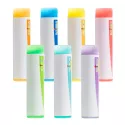
Phytolacca Decandra Boiron: Homeopathic Remedies for ENT, Gynecology, Rheumatology, and Pediatrics
Registered Medication: EH00841
Origin: Plant-based
The world of natural medicine is full of priceless treasures, among which Phytolacca Decandra holds a special place. Derived from Indian spinach, this little-known North American plant stands proudly within the Phytolaccaceae family. It is one of nature’s enigmas, possessing both toxic potential and unparalleled healing properties once transformed into a homeopathic remedy.
Discover Boiron’s Phytolacca Decandra, a homeopathic remedy for relieving ENT, gynecological, infectious, rheumatological, and pediatric conditions. Enjoy a natural approach to improving your health and well-being.
Origins and Composition
Phytolacca Decandra is more than just a plant; it is an ally for those seeking natural therapeutic solutions to their ailments. Native to North America, this perennial plant is characterized by its medium-sized leaves and black berries, whose juice is toxic in its natural state. However, what might be perceived as a danger actually holds powerful therapeutic potential.
The transformation of this plant into a medicine is a meticulous process that eliminates all toxicity, making Phytolacca Decandra a safe homeopathic remedy. This transformation underscores the importance of knowledge and technique in harnessing natural resources for human well-being.
Phytolacca Decandra has proven to be a powerful ally in the treatment of various conditions. Its scope of application is broad, ranging from ENT disorders to gynecological issues. It is a natural solution that addresses a wide range of health concerns without the drawbacks of conventional medications.
Natural Remedy for Gynecological Disorders
A Solution for Menstrual Discomfort
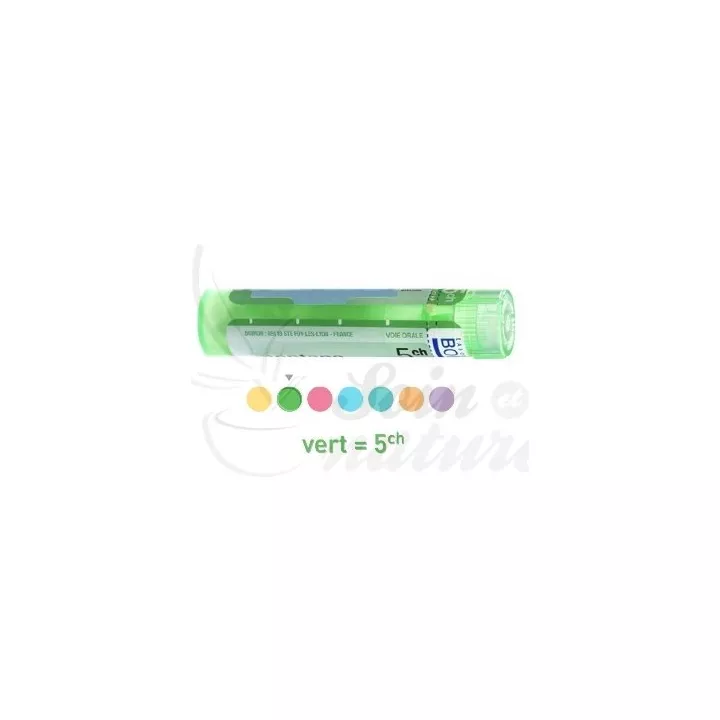
Phytolacca Decandra is a treatment of choice for women experiencing painful or irregular periods, or periods accompanied by premenstrual symptoms (PMS) such as breast tenderness, migraines, nausea, and nervousness. It is recommended to take 3 granules of Phytolacca Decandra 5CH, morning and evening, as soon as symptoms appear until they subside. For persistent cases, a combination with other remedies, such as Natrum sulfuricum or Lachesis Muta, may be considered.
An Ally for Breastfeeding Women
The challenges of breastfeeding, including hard and painful breasts or cracked nipples, can also find comfort and relief with Phytolacca Decandra. This remedy is also indicated for the treatment of ovarian inflammation, thus offering a range of solutions for women at different stages of their life cycle.
Phytolacca Decandra proves to be a powerful ally in treating various conditions. Its scope of action is broad, ranging from ENT disorders to gynecological conditions. It is a natural solution that addresses a multitude of health issues without the drawbacks of conventional medications.
Chronic Rheumatism and Skin Conditions
People suffering from chronic rheumatism or various skin infections will also find relief in the properties of Phytolacca Decandra. Its ability to relieve pain and combat inflammation makes it a valuable tool in managing these painful conditions.
Relief from Muscle and Bone Pain
Chronic rheumatism, characterized by persistent and debilitating pain, finds a powerful ally in Phytolacca Decandra. Taking 5 granules of Phytolacca Decandra 9CH daily is a therapeutic approach aimed at reducing the intensity of muscle pain and improving patients’ quality of life.
An Ally for Mothers and Children
Particularly beneficial for conditions related to the mammary glands, Phytolacca Decandra is also a blessing for new mothers and their children. It effectively treats breast infections, soothes teething pain in young children, and provides invaluable support during the delicate periods of motherhood and childhood development.
Treatment of Breast Abscesses and More
Phytolacca Decandra has also proven to be a leading homeopathic remedy for treating infections, particularly breast abscesses, whether or not they are accompanied by pus. In these cases, a dosage of Phytolacca Decandra 5CH, taken three times daily, is recommended. This remedy is also effective against other infectious diseases such as diphtheria, nephritis, herpes, and the flu, among others. The flu, for example, can be treated with Phytolacca Decandra 7CH or 9CH—depending on the presence of a fever—in two or three doses per day.
Relief from Teething and Other Childhood Ailments
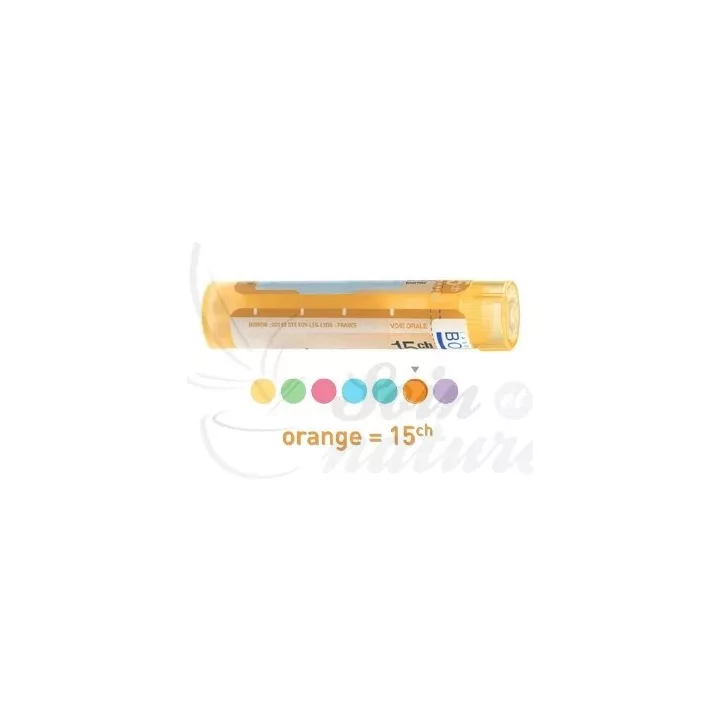
Phytolacca Decandra plays a crucial role in relieving teething discomfort in young children. Administering a dose of Phytolacca Decandra 15CH before dinner can help alleviate the pain. For more severe pain, a dosage of 5 granules of Phytolacca Decandra 9CH three times a day is recommended. This homeopathic remedy is also useful in treating fever in children, characterized by chills and body aches, as well as in stimulating lactation in breastfeeding women.
Indications and Dosage
Homeopathic remedies can be used for a variety of symptoms. The homeopathic physician selects the appropriate dilution and dosage based on the patient’s health condition and characteristic symptoms.
Phytolacca Decandra: A Versatile Homeopathic Remedy
Phytolacca is particularly indicated for the treatment of scarlet fever. Symptoms include pain when swallowing, dark red tonsils, and dry mucous membranes.
A Natural Solution for ENT Conditions: Boiron’s Phytolacca decandra is a homeopathic remedy of choice for treating various ENT conditions, including follicular pharyngitis, gingivitis, and sore throats accompanied by a dry cough. Its effectiveness also extends to patients suffering from tonsillitis, bronchitis, and lymphadenitis, offering natural relief and valuable support in managing symptoms, thanks to its anti-inflammatory and analgesic properties.
Benefits in Gynecology and Infectious Diseases
Phytolacca is also useful for treating premenstrual breast tenderness and congestion, as well as hardened lumps in the breasts.
Relief from Gynecological and Infectious Disorders: In gynecology, Phytolacca decandra plays a key role in relieving painful periods, menstrual imbalances, and premenstrual syndromes, such as breast swelling, migraines, nausea, and nervousness. It is also effective against breast abscesses, stomatitis, herpes, prostatitis, the flu, and eczema, thanks to its antiviral and anti-inflammatory properties, providing a gentle response to infections and inflammation.
Support in Rheumatology and Pediatrics
It is also used to relieve muscle pain, including soreness, neuralgias such as lumbago, and joint and bone pain, particularly during damp and cold weather.
Relief from Rheumatic and Pediatric Pain: Phytolacca decandra is also a valuable ally in the treatment of chronic rheumatism and muscle pain, as well as in managing teething discomfort in children. It helps reduce pain associated with teething and soothes children who want to bite or chew, promoting overall well-being during these challenging times.
Dosage Guidelines
For Scarlet Fever
Phytolacca 5 CH is recommended, at a dose of 3 to 5 granules every 2 hours. Doses should be spaced out based on the observed improvement.
For Muscle and Joint Pain
3 to 5 granules may be administered as soon as pain begins, followed by 3 to 5 granules in the morning and evening until symptoms subside.
Guidelines for Using Phytolacca decandra and Directions for Use
- Turn the Phytolacca decandra tube to dispense the desired number of granules into the cap, then place the granules under the tongue.
- It is recommended not to touch the homeopathic granules with your fingers.
- The globules in the single-dose tubes are taken all at once by allowing them to dissolve slowly under the tongue. If a specific dose is not available, take 10 globules of the same dilution.
- These dosages are provided for informational purposes only and may vary depending on the nature of the medication and the clinical context.
- Use a mint-free toothpaste (such as Boiron’s Homéodent, a toothpaste compatible with taking homeopathic granules).
How should Boiron’s Phytolacca decandra be used?
It is recommended that you follow the dosage instructions on the packaging or those provided by your healthcare professional, taking into account the dilution chosen for use appropriate to your specific condition.
Does Phytolacca decandra have any side effects?
This homeopathic remedy is generally well tolerated. If you have any doubts or experience an unusual reaction, it is advisable to consult a healthcare professional.
When can I expect to see an improvement in my symptoms?
Effectiveness may vary depending on the individual and the nature of the symptoms. Regular use in accordance with the recommendations is crucial for observing an improvement.
Packaging and Quantity
Phytolacca decandra, also known as American pokeweed, is a plant with multiple therapeutic properties, listed in the French and European Pharmacopoeias and registered under number EH00841. This plant-based remedy is available in homeopathic doses and tubes, as well as for compounded preparations, including Korsakovian dilutions, covering a wide range of dilutions to meet various treatment needs.
Origin and Properties
Phytolacca, commonly known as American pokeweed, is a herbaceous plant found primarily in North America and France. This plant is characterized by its large oval leaves and white or pinkish flowers, arranged in cylindrical clusters. The mother tincture used in homeopathy is derived from the whole plant, harvested while fresh.
Phytolacca decandra is traditionally used for its effects on the lymphatic system, glandular conditions, and musculoskeletal disorders. In homeopathy, it is particularly valued for its ability to treat throat infections, muscle pain, and breastfeeding-related issues in women.
Available Formulations
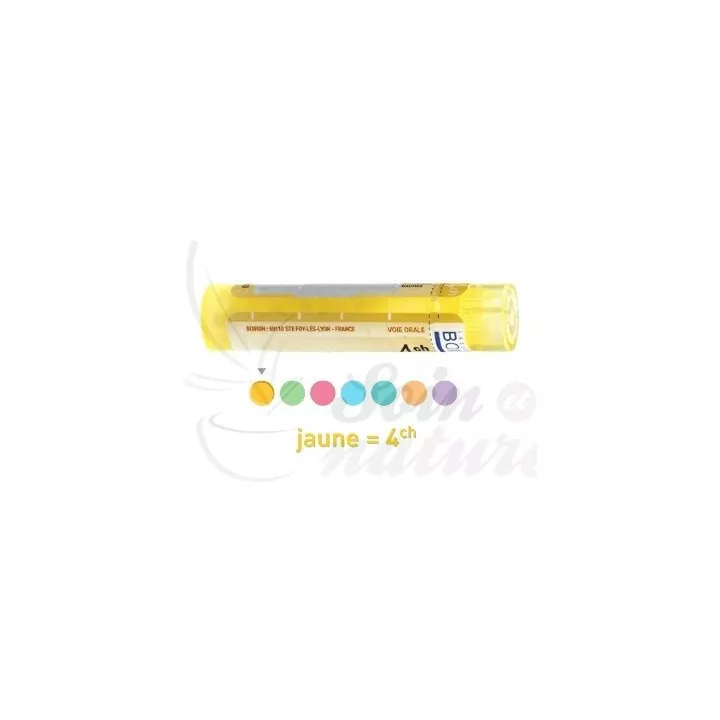
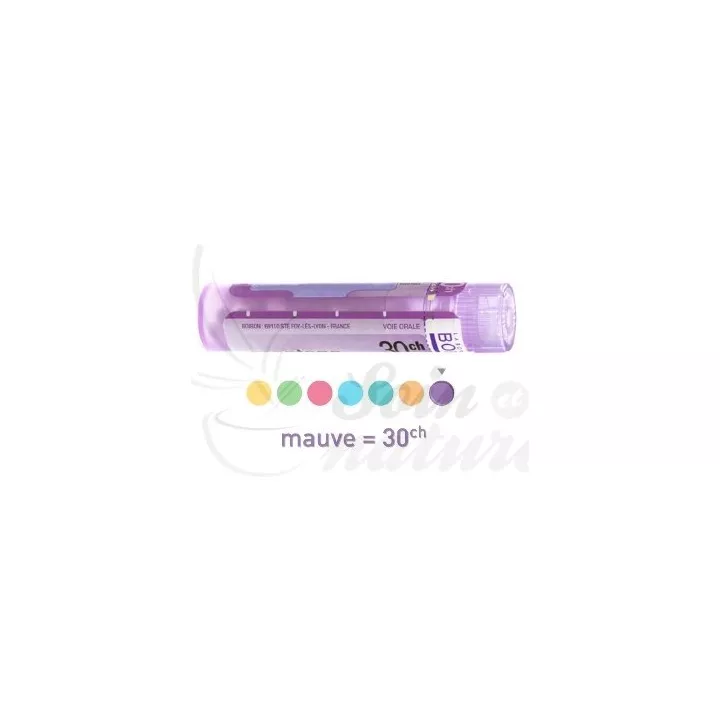
Potencies and Tubes: Phytolacca Decandra is available in potencies ranging from 5 CH to 30 CH and in tubes of granules ranging from 4 CH to 30 CH and 8 DH, allowing for precise use based on the patient’s symptoms and sensitivity.
Compounded Preparations: For finer adjustment of treatment, Phytolacca Decandra can be prepared in Hahnemannian dilutions starting at 4 CH and in Korsakovian dilutions (200K, 1,000K, 10,000K). This option ensures that the remedy is customized to meet the specific needs of each individual.
Therapeutic Applications
Phytolacca Decandra is often recommended for:
- The treatment of sore throats and throat pain, thanks to its anti-inflammatory and analgesic effects.
- Relieving muscle and joint pain, particularly when associated with stiffness and swelling.
- Helping to treat breastfeeding-related issues, such as engorged breasts and mastitis, by promoting a rapid and effective resolution of these conditions.
Related Conditions and Treatment with Phytolacca Decandra
The range of action of Phytolacca Decandra covers a variety of conditions, highlighting its importance in homeopathic pharmacopoeia. It is used to treat conditions such as:
- Breastfeeding: Helps manage breastfeeding difficulties, such as low milk supply.
- Sore Throat: Used to treat throat inflammation.
- JointPain: Relieves joint pain.
- Flu and Flu-Like Symptoms: Effective against flu-like symptoms.
- Mastosis: Used in the treatment of pain and disorders of the breast tissue.
- Infectious Mononucleosis, Mumps, Pharyngitis: Treats these infections with notable effectiveness.
- Teething: Reduces teething discomfort in young children.
Phytolacca Decandra has thus established itself as a mainstay of homeopathic medicine, thanks to its ability to address a variety of health issues with a gentle and natural approach, making this remedy indispensable in the treatment of rheumatism, infections, and pediatric care.
A powerful ally against breast gland disorders and much more.
Precautions for Use
Warning
Contains sucrose. Store homeopathic medicines away from light, heat, and moisture.
Administering homeopathic granules to infants and children
Phytolacca decandra homeopathic granules should be dissolved in 100 ml of water. Since the granules take a long time to dissolve, it is necessary to prepare your mixture in advance.
Homeopathy and Pregnancy
Phytolacca decandra homeopathic remedies have no chemical toxicity, no contraindications, no interactions with other medications, and no adverse effects related to the amount ingested.Pregnant women can use this remedy without any known risk to themselves or their unborn child, but it is best to seek advice.
Frequency of Homeopathic Use
For acute conditions, it is recommended to take Phytolacca decandra homeopathic remedies every hour until symptoms improve. Once symptoms improve, space out doses to 3 or 4 times a day, then gradually discontinue use.
For chronic conditions, remedies in low dilutions (Phytolacca decandra > 9CH) are taken 1 to 2 times a day, while constitutional remedies are taken once a week or even once a month. This decision is up to the homeopath.
What to Do If There Is No Improvement Within 24 Hours
Certain conditions cannot be treated with Phytolacca decandra homeopathy through self-medication alone. Your doctor will determine whether your condition can be treated with homeopathy alone or whether your treatment should be supplemented with allopathic medicine.