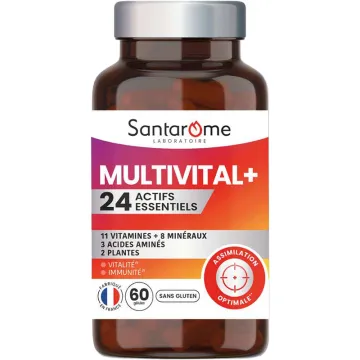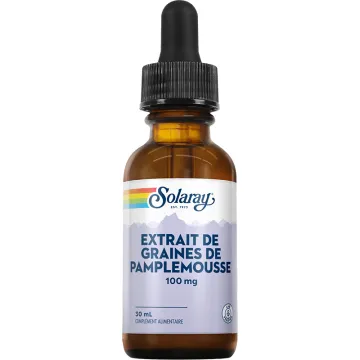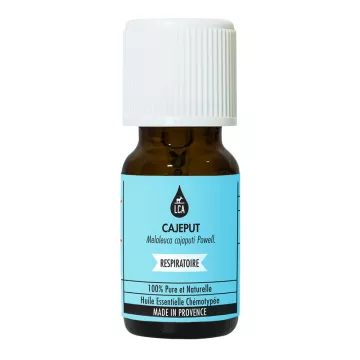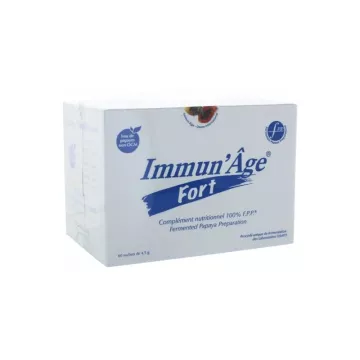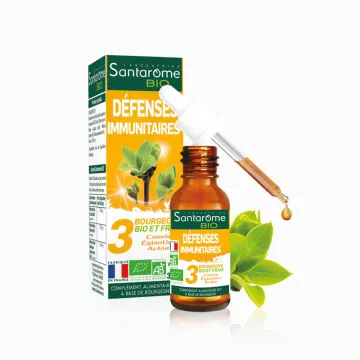



Recurrent infections are defined as infections that occur with unusually high frequency—more than 6 to 8 ENT infections per year in adults, or infections that recur in the same organ (recurrent urinary tract infections, repeated strep throat, repeated winter nasopharyngitis). This excessive frequency generally indicates a weakened immune system or the persistence of an unaddressed risk factor. Immune-support supplements are available in the store’s “Immunity” and “Natural Defenses” sections.
It is essential to consult a doctor if infections are severe (repeated hospitalizations), if they do not respond to standard treatments, if they affect unusual sites, or if they occur in early childhood (suspected primary immunodeficiency). In adults, the most common causes are acquired: chronic stress, vitamin D3 deficiency, an imbalance in the gut microbiota, poorly controlled diabetes, immunosuppressive treatment, or simply a sedentary lifestyle and a deficient diet.
Recurrent infections most often result from a functional immune deficiency—not necessarily a severe immune deficiency, but a weakening of the body’s defenses due to the accumulation of harmful factors:
In the absence of any serious medical condition, nutritional and herbal support for the immune system can significantly reduce the frequency of recurrent functional infections. Vitamin C (500–1,000 mg/day) stimulates white blood cells and the synthesis of antiviral interferons. Vitamin D3 (at least 1,000–2,000 IU/day in winter, or even more based on blood test results) is the micronutrient whose supplementation has the most documented impact on reducing recurrent respiratory infections. Zinc (10–15 mg/day) acts as a cofactor for T-cell proliferation and the mucosal barrier. Probiotics (Lactobacillus rhamnosus GG, Bifidobacterium) restore intestinal mucosal immunity and are particularly useful after antibiotic therapy.Echinacea (well-established use by the EMA—4- to 8-week course) andgarlic (allicin) round out the phytotherapeutic arsenal. Turmeric supports the anti-inflammatory response associated with recurrent infections. These supplements support a healthy lifestyle—a medical evaluation remains essential in cases of severe or atypical recurrent infections.