What foods and micronutrients strengthen the immune system?
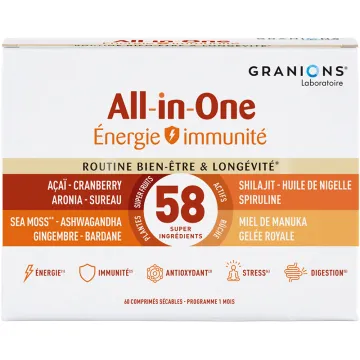
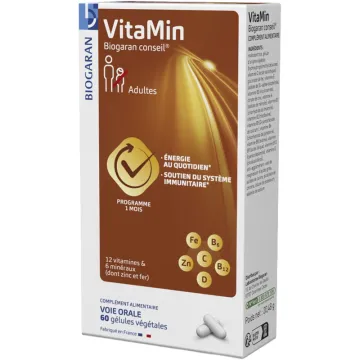
The immune system is the network of cells, organs, and proteins that protects the body against pathogens—viruses, bacteria, fungi, and parasites. Its effectiveness depends directly on nutritional status: several micronutrients are essential cofactors for the production and activity of immune cells. Immune-support supplements are available in the store’s immunity, natural defenses, and herbal remedies for immunity sections.
- Vitamin C: antioxidant — stimulates the production and migration of leukocytes (neutrophils, lymphocytes) — 500 to 1,000 mg/day — EFSA claim regarding the normal functioning of the immune system — citrus fruits, kiwi, bell peppers, blackcurrants
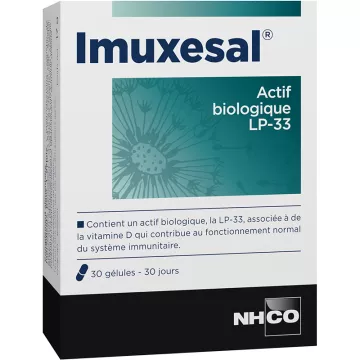
- Vitamin D3: activates macrophages and dendritic cells — strengthens antiviral defenses — very common winter deficiency (at France’s latitude) — 1,000 to 2,000 IU/day — EFSA claim — synthesized in the skin through sun exposure
- Zinc: cofactor for the proliferation of T and B lymphocytes and NK cells — 10 to 15 mg/day — oysters, pumpkin seeds, beef, legumes — EFSA claim regarding immunity
- Selenium: antioxidant for immune cells (glutathione peroxidase) — supports lymphocytes — 55 to 200 µg/day — Brazil nuts (2–3/day), fatty fish, eggs
- Iron: essential for the production of immune enzymes and erythropoiesis — deficiency = chronic fatigue + weakened defenses — based on ferritin levels (doctor)
- Immune-boosting foods: citrus fruits, raw garlic (allicin), ginger (anti-inflammatory), green vegetables (vitamin A + fiber), nuts and seeds (vitamin E + selenium), fermented foods (yogurt, kefir, raw sauerkraut — probiotics)
What are the non-nutritional pillars of a strong immune system?
- Sleep: During deep sleep, pro-immune cytokines are produced—lack of sleep = decreased T and NK lymphocytes—7 to 9 hours per night for adults—regular sleep schedule (circadian rhythm)—no caffeine after 4 p.m., no screens 1 hour before bedtime
- Stress management: Chronic cortisol inhibits T cells, impairs the intestinal barrier, and reduces NK cell activity — cardiac coherence (3 × 5 min/day) — mindfulness meditation — yoga, tai chi, walking in nature
- Moderate physical activity: 30 min 5 times/week — increases circulating NK cells and lymphocytes — reduces chronic inflammation — improves sleep — caution: overtraining = transient immunosuppression (open window after competition)
- Gut microbiota: 70% of the immune system resides in the intestinal lymphoid tissue — prebiotic fibers + probiotics (Lactobacillus, Bifidobacterium) — fermented foods — avoid microbiota disruptors (broad-spectrum antibiotics, ultra-processed foods)
Herbs and natural remedies to boost the immune system
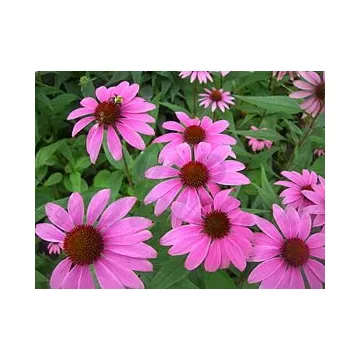
- Echinacea (Echinacea purpurea): Well-established use according to the EMA — prevention and support for mild viral respiratory infections — 2 to 4 weeks — Contraindications: autoimmune diseases and immunosuppressants
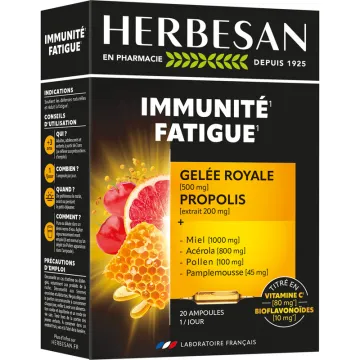
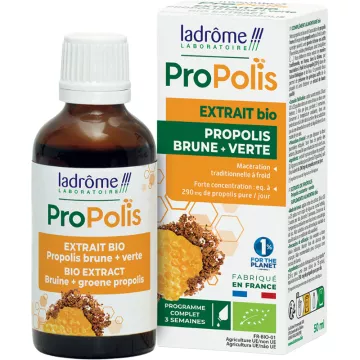
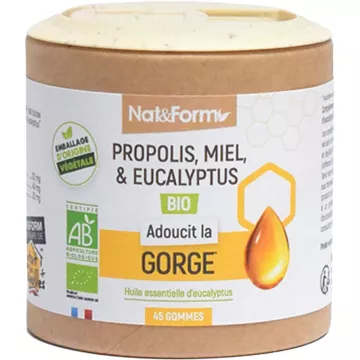
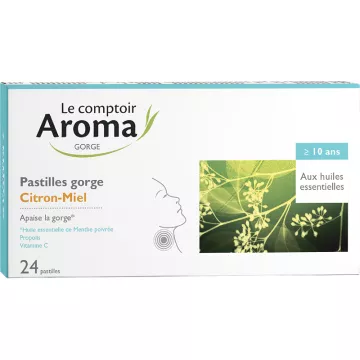
- Propolis: antibacterial and antiviral activity — winter ENT support — spray, capsules — Contraindications: allergy to bee products
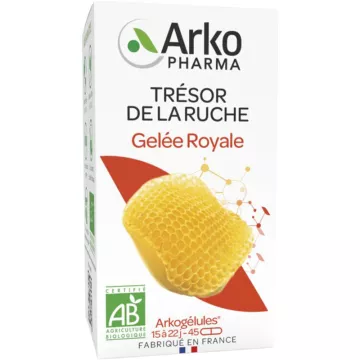
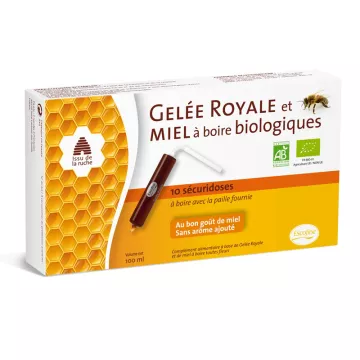
- Royal jelly: 10-HDA — immunomodulator — boosts metabolism — as a 3-week to 1-month course of treatment
- Ginseng and eleuthero: adaptogens — resistance to physical and psychological stress — stimulation of nonspecific immunity
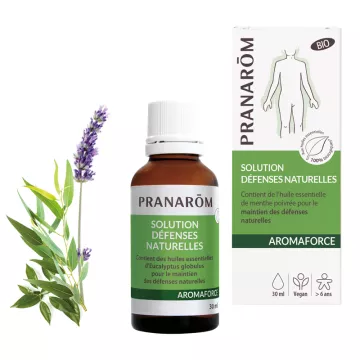
- Ravintsara (essential oil): immunomodulator and antiviral — diffuse in the air or use diluted for massage — Contraindications: children under 6 and pregnant women — see essential oils for natural defenses
- Children: a varied diet + adequate sleep + outdoor play (contact with nature + vitamin D synthesis) + pediatric probiotics if taking antibiotics — herbs and essential oils only under medical supervision