What is common garlic?
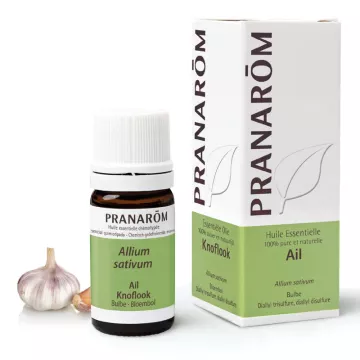
Common garlic (Allium sativum) is a bulbous plant in the Amaryllidaceae family that has been cultivated for over 5,000 years for its culinary and medicinal uses. Native to Central Asia, it has become a staple in cuisines around the world and in traditional pharmacopoeias. Its potency stems from a specific sulfur-containing compound,alliin, which is converted into active allicin as soon as the clove is crushed. In addition to allicin, garlic contains numerous sulfur-containing compounds (ajoene, vinyldithiins, diallyl sulfide), flavonoids, and selenium. The European Pharmacopoeia and the EMA recognize its use in cardiovascular health.
What are the daily health benefits of garlic?
Its traditional uses span several body systems:
- Support for individuals with high cholesterol;
- Support for blood pressure management as part of a healthy lifestyle;
- Improving blood flow and circulation;
- Support for the immune system during the winter months;
- Broad-spectrum antimicrobial action (bacterial, viral, fungal) documented in vitro;
- Provides a beneficial source of selenium for antioxidant status.
Why does crushing it release its potency?
Alliin, present in the intact clove, is inactive. When garlic is crushed, chopped, or chewed, an enzyme contained in a neighboring cell (alliinase) comes into contact with the alliin and converts it into allicin, the molecule responsible for the characteristic odor and most of its effects. You should therefore let crushed garlic sit for 10 minutes at room temperature before eating or cooking it—heat denatures alliinase if it acts too quickly. This simple tip significantly maximizes allicin intake.
Does it really help the heart and blood pressure?
Yes—this is the most well-documented benefit. Several clinical meta-analyses have shown a moderate but real effect on systolic and diastolic blood pressure in cases of mild hypertension, as well as an improvement in the lipid profile (a modest reduction in total cholesterol and LDL). Garlic is part of a natural approach to cardiovascular health, complementing a balanced diet, regular physical activity, and—never as a substitute for—any necessary medical treatment.
What about its effect on immunity?
Its sulfur compounds exert antimicrobial and immunomodulatory effects that have been studied in relation to common viral and bacterial infections of the ENT tract. Garlic works in conjunction with other immune-boosting herbs such as propolis orechinacea, particularly in preventing winter colds. Its perceived effectiveness increases with regular use rather than with occasional doses during an acute episode.
How can you use it without causing social discomfort?
Different dosage forms allow you to choose based on the situation:
- Crushed raw garlic (let sit for 10 minutes before eating): 1 to 2 cloves per day, ideally spread out over the day;
- Cooked garlic: less potent in allicin but retains some of the benefits, easier to incorporate into meals;
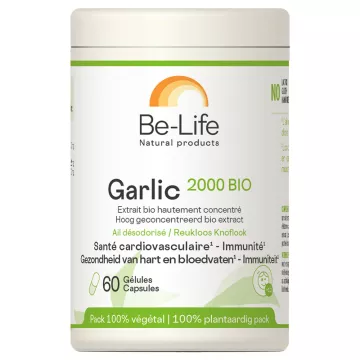
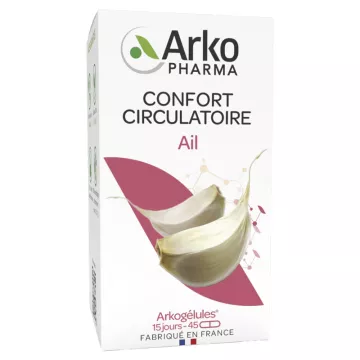
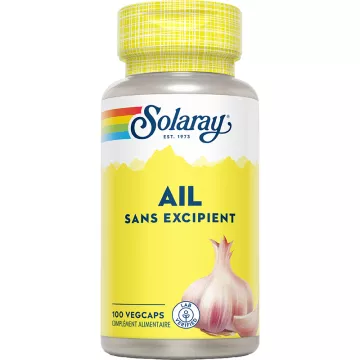
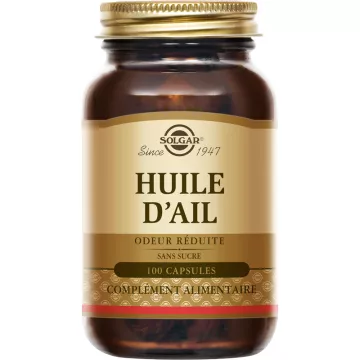
- Capsules of dry extract standardized for allicin or ajoene: 600 to 1,200 mg/day, convenient for avoiding bad breath;
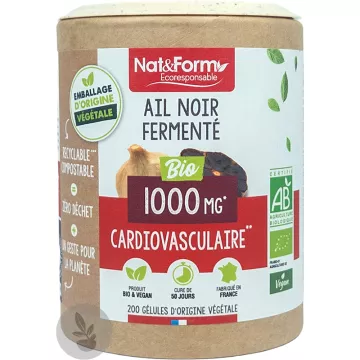
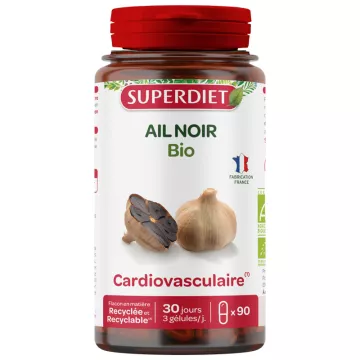
- Fermented black garlic: a mild, sweet variety that is richer in S-allylcysteine and better tolerated;
- Aged garlic extract (AGE): a standardized, odorless extract that has been clinically studied;
- Chew fresh parsley after eating to reduce bad breath;
- Typical treatment course: 4 to 8 weeks, to be repeated.
What precautions should be taken with garlic?
- Oral anticoagulants and antiplatelet agents: increased risk of bleeding; consultation with a pharmacist is essential;
- Discontinue use 7 to 10 days before surgery or an invasive procedure (including tooth extraction);
- Gastroesophageal reflux, ulcers, gastritis: Raw garlic may worsen symptoms;
- Allergy to garlic or members of the Amaryllidaceae family (onions, shallots, chives): avoid;
- Exercise caution when taking antihypertensive, hypoglycemic, or antiretroviral medications (potential for increased effects);
- Pregnant or breastfeeding women: normal dietary use is acceptable; avoid high-dose supplements;
- Direct application to the skin: risk of burns (phytodermatitis); never apply whole raw garlic to the skin.
Which plants can be combined with garlic?
Synergies depend on the goal:
- Omega-3 and coenzyme Q10 for overall cardiovascular support;
- Echinacea, acerola, and propolis for winter immune support;
- Onions and leeks (relatives in the Allium genus) to boost the intake of sulfur compounds;
- Wild garlic as a spring regimen, for its similar yet milder profile;
- Red yeast rice or phytosterols (consult a pharmacist) for significant lipid imbalances;
- Ginkgo to support cerebral microcirculation in synergy.