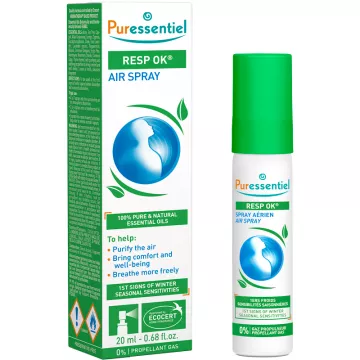
Preventing the common cold starts with understanding how it spreads. The rhinovirus (responsible for 30 to 50 percent of colds) is spread primarily through airborne droplets and by touching the nasal mucous membranes. The nasal mucociliary barrier is the first line of defense—which is weakened by dry air from winter heating, cold weather, tobacco smoke, and mucosal dehydration. People who are more resistant to colds have an intact mucociliary barrier, a balanced gut microbiota, and sufficient levels of vitamin D3, zinc, and vitamin C.
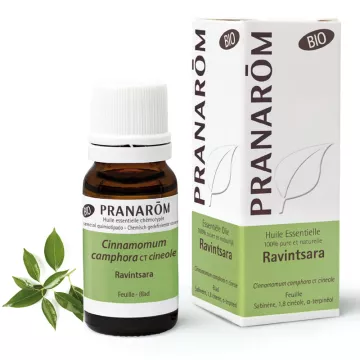
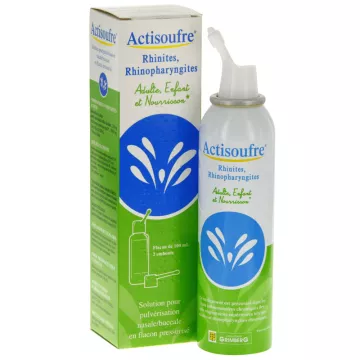
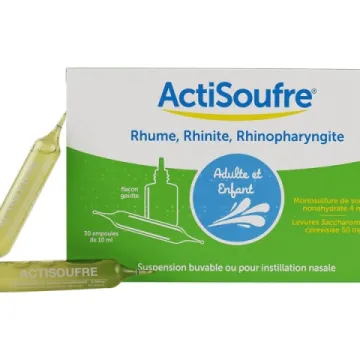
Ravintsara essential oil (Cinnamomum camphora ct cineole, 1,8-cineole ≥ 50%) inhibits the replication of rhinoviruses and intracellular influenza viruses and stimulates secretory IgA in the respiratory mucosa. Whether diffused into the air or applied to the chest (diluted to 20% in vegetable oil), it is the first-line essential oil for winter prevention. Sulfur (Actisoufre spray or ampoules) cleanses the nasal mucosa and strengthens the mucoprotective barrier—its ENT use is well-documented in cases of recurrent nasopharyngitis in both children and adults.
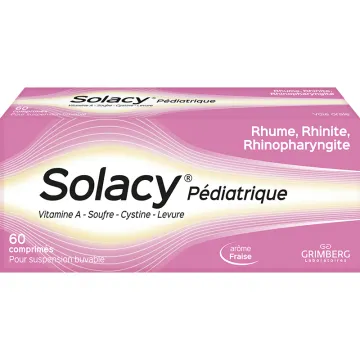
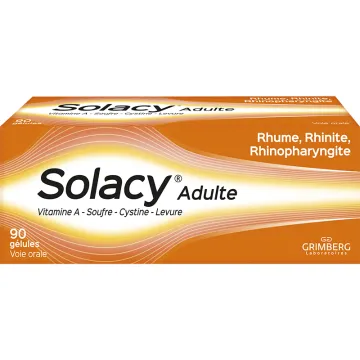
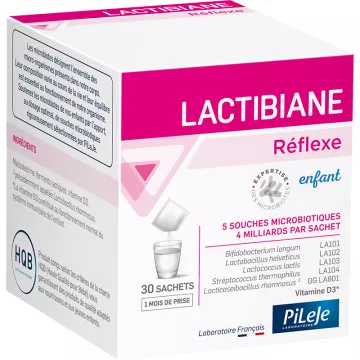
The gut-immune axis is one of the best-documented mechanisms for winter prevention. Probiotics (Lactobacillus rhamnosus GG, Bifidobacterium lactis) strengthen the intestinal barrier, stimulate respiratory secretory IgA via the MALT pathway, and modulate regulatory T cells. The Cochrane meta-analysis (2015, 12 studies, 3,720 participants) confirms a 47% reduction in the frequency of winter infections and a reduction of 1.89 days in their duration. Lactibiane Réflexe (Pileje) and Solacy for Adults are two formulas specifically developed for this context of use.
Vitamin C (500–1,000 mg/day for prevention) stimulates white blood cells, strengthens the nasal epithelial barrier, and protects immune cells from oxidative stress—a meta-analysis (Hemilä & Chalker, 2013) confirms an 8–14% reduction in the duration of the common cold. Zinc (acetate or gluconate, 75 mg/day within 24 hours of the first symptoms) directly inhibits rhinovirus replication and reduces the duration of the common cold by 33%, according to a 2017 meta-analysis.
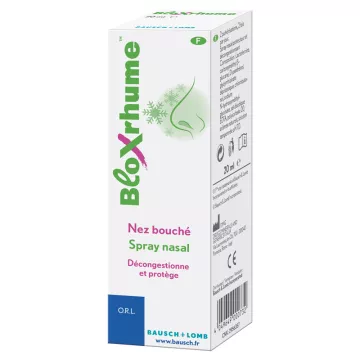
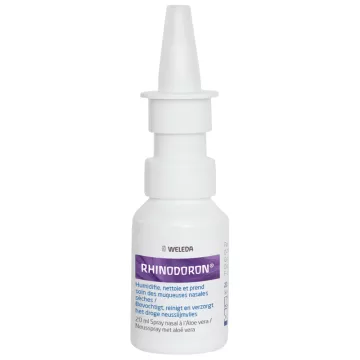
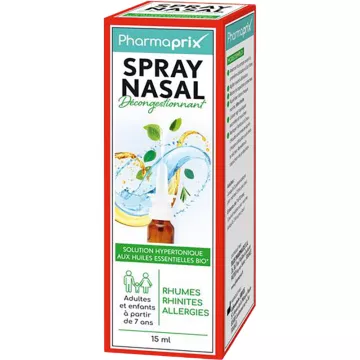
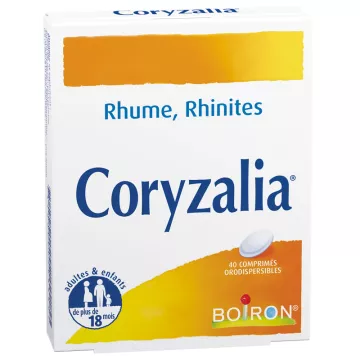
A new generation of preventive nasal sprays (BloxRhume carrageenan, Weleda Rhinodoron aloe vera) creates a protective film on the mucous membrane that mechanically traps viral particles before they adhere to epithelial receptors. BloxRhume has been the subject of randomized studies (Eccles et al., 2010; Ludwig et al., 2013) confirming a significant reduction in the frequency and severity of rhinoviral infections. These sprays should be used 2 to 3 times a day during periods of exposure and are compatible with homeopathic treatments (Coryzalia, Solacy) and ravintsara essential oil.
In addition to natural active ingredients, five daily habits significantly reduce the risk of rhinovirus infection. Wash your hands with soap and water (for at least 20 seconds) after any contact with high-risk surfaces—the rhinovirus can survive for up to 18 hours on inanimate surfaces. Avoid touching your face (the nasal and ocular mucous membranes are entry points). Maintain indoor humidity between 40% and 60% (dry air weakens the mucociliary barrier and promotes the survival of viral aerosols). Get enough sleep (less than 7 hours of sleep triples the risk of rhinovirus infection, according to Cohen et al., 2009). For individuals with chronic rhinitis, these measures are all the more important because their mucosal barrier is already compromised.