0
Menu
Actisoufre: Common Cold, Rhinitis, Nasopharyngitis
Over-the-counter medication

Actisoufre: Common Cold, Rhinitis, Nasopharyngitis

Brand : Grimberg Grimberg
product contains :

Actisoufre for the Common Cold, Rhinitis, and Nasopharyngitis is used to treat chronic inflammatory conditions of the upper respiratory tract, such as chronic rhinitis and nasopharyngitis. It can be used as a nasal and oral spray.

€6.35 EXCL. VAT €6.99 INCL. VAT
This product is an over-the-counter medication. Please consult the package insert before ordering online.
In stock Shipped within 24h Secure payment
Reference : 3400935167156
4.7 / 5
(12Reviews)
You must be logged in to add this product to a list. Customer login
See delivery conditions

Our doctors of pharmacy advise you

Nux vomica Boiron Homeopathic Dose Nux vomica Boiron Homeopathic Dose
4 C 5 C +
€2.79
Add to cart
Shipped within 24h
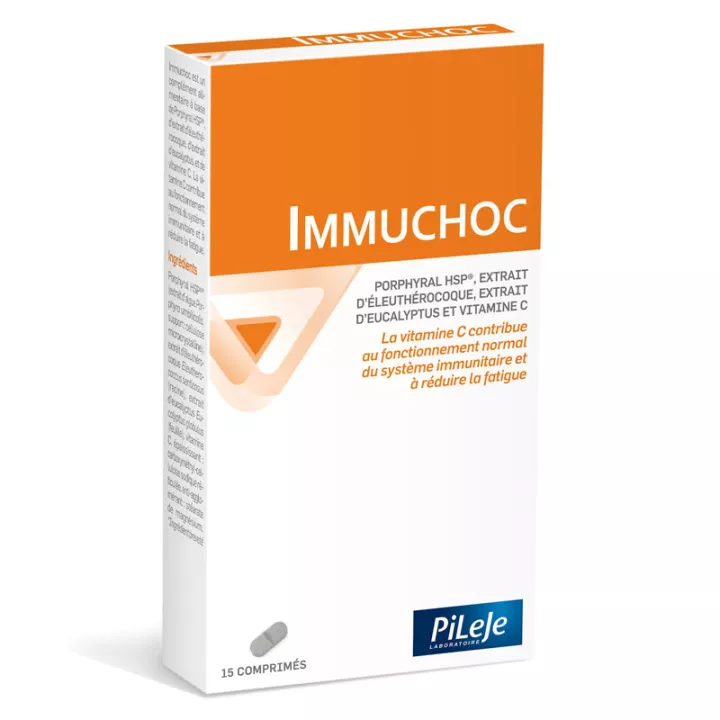
Immuchoc Pileje 15 Tablets Immuchoc Pileje 15 Tablets
€10.25
Shipped within 24h
Fervex for Adults: Flu-Like Symptoms Fervex for Adults: Flu-Like Symptoms
Box of 8 box of 12
€5.89
Add to cart
Shipped within 24h
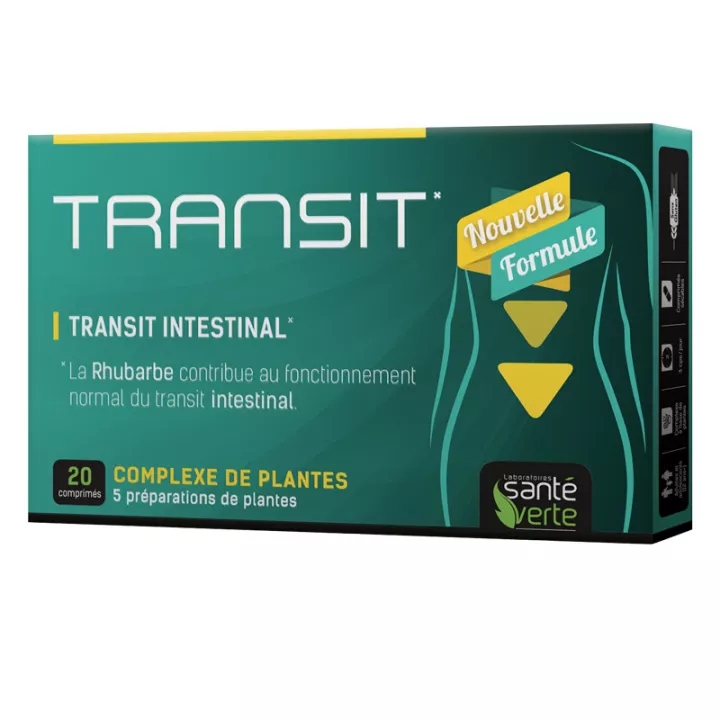
Santé Verte Digestconfort Transit Santé Verte Digestconfort Transit
60 tablets 20 tablets
€5.49
Add to cart
Shipped within 24h
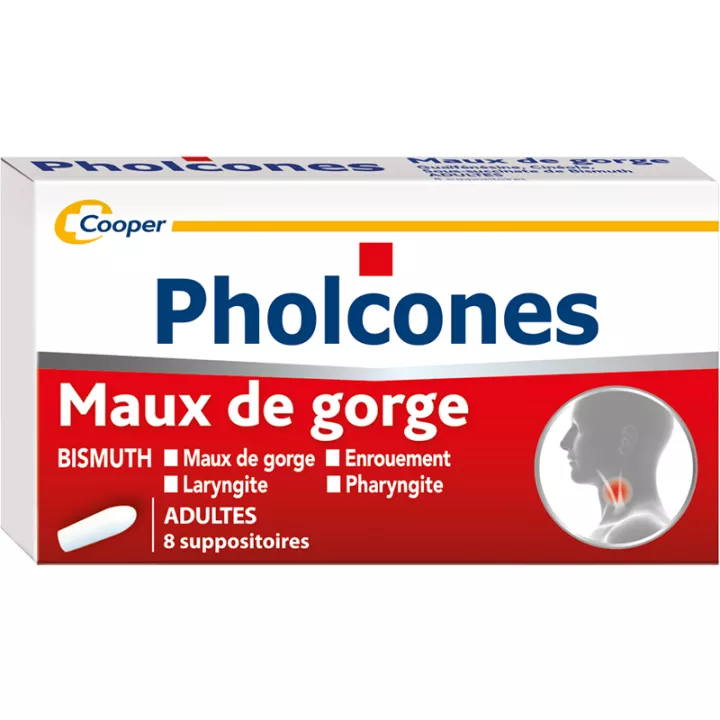
Pholcones Bismuth 8 Adult Suppositories Pholcones Bismuth 8 Adult Suppositories
€6.25
Add to cart
Shipped within 24h
3C Pharma Efirub Cold Symptoms, 16 packets 3C Pharma Efirub Cold Symptoms, 16 packets
€9.31
Shipped within 24h
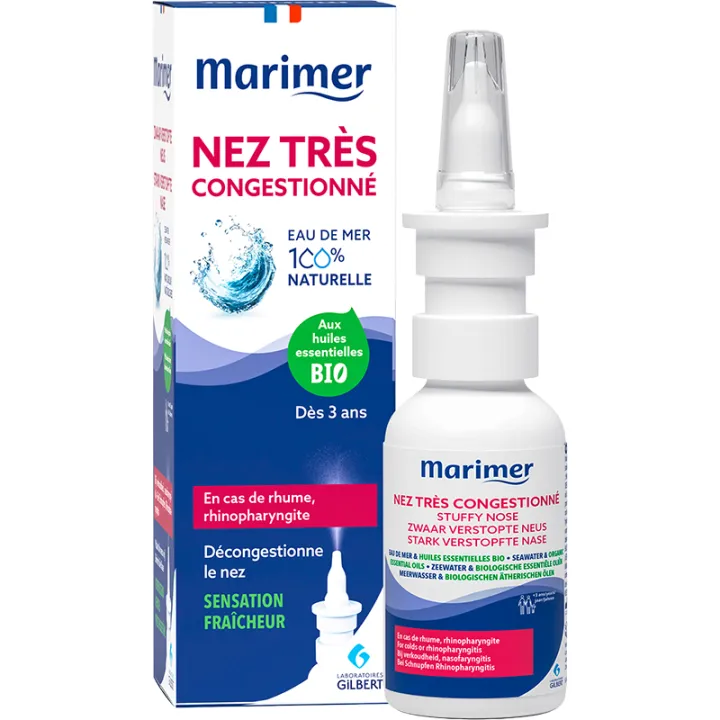
Marimer Nasal Spray for Severe Nasal Congestion, 20 ml Marimer Nasal Spray for Severe Nasal Congestion, 20 ml
€5.89
Shipped within 24h
Gelositin Moisturizing Nasal Oil 15 ml Gelositin Moisturizing Nasal Oil 15 ml
€11.45
Shipped within 24h
Sinuphyl Boiron Respiratory Comfort, 20 tablets Sinuphyl Boiron Respiratory Comfort, 20 tablets
€9.94
Shipped within 24h

When should you use Actisoufre for the Common Cold, Rhinitis, and Nasopharyngitis to care for your nose and throat?

For warnings, precautions, and contraindications, please refer to the package insert for this over-the-counter medication.

This very gentle cleansing solution helps reduce inflammation of the nasal mucosa and promotes the removal of thick secretions, particularly in cases of chronic or recurrent upper respiratory tract conditions.

This spraydecongests the nose and facilitates the drainage of nasal secretions thanks to its hypertonic solution enriched with sulfur. It is recommended for adults and children 6 years and older to help prevent and relieve the symptoms of allergic rhinitis:

  • It helpsclear out allergens, impurities, and secretions;
  • naturally relieves nasal congestion;
  • helps improve the effectiveness of topical medications and reduce their use;
  • moisturizes the nasal mucosa and prevents dryness caused by medication use.

To gently and effectively relieve cold and nasopharyngitis symptoms in your children, check out our recommendation: Pediakid Nose-Throat Spray, a valuable ally at the pharmacy.

Actisoufre serves a dual purpose: as part of a hygiene routine, its microdiffusion spraymoisturizes and cleanses the nasal mucosa. It also helps reduce inflammation in the upper respiratory tract.

Equipped with a non-invasive tip, Rhinotherm helps clear nasal secretions in children who haven’t yet learned to blow their noses. Rich in sulfur, this nasal solution is designed to reduce inflammation in the ENT area.

The time-honored properties of sulfur have remained consistent over the years, particularly in improving breathing, which in turn optimizes the body’s oxygenation.

This over-the-counter medication, Actisoufre, is indicated for chronic inflammatory conditions of the upper respiratory tract, such aschronic rhinitis and nasopharyngitis. Thissulfur-basedmedication,which containsvitaminsandtrace minerals as well as sulfur combined with yeast extract, will provide relief from congested nasal and/or oral passages.

For a stuffy nose, you can also use inhalations made with essential oils.

How to Use Actisoufre for Colds, Rhinitis, and Nasopharyngitis?

Instructions for Use of Actisoufre Spray

Adults and children

  • One prolonged spray* of Actisoufre into each nostril 3 times a day, with your head tilted back.

Infants

  • One spray of Actisoufre in each nostril, twice a day.
  • Administer while the infant is lying on their side or sitting up (if old enough to sit), with their head tilted to one side, to prevent laryngospasm.
  • Insert the nasal applicator (short tip) into the nostril and spray firmly. Repeat the process for the other nostril by tilting the head to the other side.

Do not:

  • Never administer a nasal spray of Actisoufre while the infant’s head is tilted back, to prevent the liquid from flowing down the throat.
  • Each spray should last approximately 2 to 3 seconds per nostril.

Share your feedback on the usage instructions and dosage of Actisoufre Nasal or Throat Spray for Rhinitis with our partner “Verified Reviews” after your purchase. Method and route of administration :

What is in Actisoufre spray?

This medication provides sulfur and yeast in the form of sodium monosulfide nonahydrate and Saccharomyces cerevisiae.

The composition of this sulfur-enriched Actisoufre nasal spray helps clear the nose and protect the respiratory mucous membranes.  In fact, the nasal mucosa filters thousands of liters of air per day. In direct contact with the environment, it serves as the respiratory system’s first line of defense against external agents.

Active ingredients:Sodium monosulfide(sulfur compound)
Amount equivalent to 13.00 mg of sodium sulfide; Saccharomyces cerevisiae type D* 500.00 mg per 100-ml bottle. 
Other ingredients: Sodium saccharin, polysorbate 80, sodium methyl parahydroxybenzoate (E219), 20% chlorhexidine digluconate solution, sodium chloride,Neroli A compound(essential oilsof petitgrain bigarade and sweet orange, geraniol, terpineol, linalool, methyl anthranilate, phenethyl alcohol, geranyl acetate), purified water.

Excipients with known effects: Sodium (in the form of chloride and saccharin), Sodium methyl parahydroxybenzoate (E219)

Precautions for Use

Contraindications

Hypersensitivity to any of the product’s ingredients, particularly sulfur.

Pregnancy and Breastfeeding

In the absence of data regarding pregnancy and breastfeeding, use of this medication during pregnancy and breastfeeding is not recommended.

Warning

When taken orally and in cases of a low-sodium diet, take into account the sodium content, which is 4.2 mg of sodium per spray (equivalent to 0.18 mmol of sodium per spray).

100 mL of solution (equivalent to 90 sprays of 2 to 3 seconds each) provides 378 mg of sodium (equivalent to 16.4 mmol of sodium per 100 mL).

The presence of sodium methyl parahydroxybenzoate may cause an allergic reaction, such as delayed hypersensitivity reactions, in individuals sensitive to preservatives in the parahydroxybenzoate family (and their derivatives).

Adverse Effects

When taken orally: digestive disturbances such as epigastric pain may occur.

Presentation

Over-the-counter medication. Each bottle of Actisoufre spray contains 100 ml, equivalent to 90 sprays (2 to 3 seconds each).

Actisoufreis also available in a box of 30 ampoules, each containing 10 ml.

Our Advice and Expert Opinions from Pharmacists

Chronic nasopharyngitis in infants: The best remedy is you
Family members, the nanny, and other children at daycare or preschool—all of these can easily spread the infection, even if your child is in excellent health. A toddler can suffer from nasopharyngitis up to 10 times a year! So, it’s best to take the right steps to soothe them as soon as the first symptoms appear.

  • Above all, they need your presence and comfort to get through this difficult time, which they can’t handle on their own. First and foremost, provide care as soon as signs ofinfection appear.
  • Does your child have a runny nose? Gently clean it with saline solution or seawater-based solutions. Don’t worry if this clear discharge becomes thick and yellowish. This doesn’t mean there’s a secondary infection; it’s simply the natural progression of his cold.
  • Does your child have a fever? Give them water to drink regularly and keep them uncovered. Their body heat needs to dissipate. If their fever persists and is above 38.5 °C, relieve it with a medication containing acetaminophen or ibuprofen. Their fever is a normal and natural reaction of their body that helps them fight the virus.

Warning: Before ordering, check for any interactions with your current medications. If you need advice, contact us. Keep medications out of the reach of children. If symptoms persist, worsen, or if new symptoms appear, contact our pharmacists.

Pharmacovigilance Report an adverse drug reaction(s)

Download PDF leaflet

NOTICE

ANSM - Updated on : 13/10/2020

Product name

ACTISOUFRE, nasal/oral spray solution in pressurized bottle

Box

Please read this leaflet carefully before using this medicine, as it contains important information for you.

Always use this medicine exactly as it is described in this leaflet or by your doctor or pharmacist.

- Keep this leaflet. You may need to read it again.

- Ask your pharmacist for advice and information.

- If you experience any of the unwanted effects, tell your doctor or pharmacist. This also applies to any side effects not mentioned in this leaflet. See section 4.

- You should contact your doctor if you do not feel any improvement or if you feel less well.

What does this leaflet contain?

1. What is ACTISOUFRE nasal/oral spray solution in pressurized bottle and what is it used for?

2. What do I need to know before using ACTISOUFRE nasal/oral spray solution in a pressurized bottle?

3. How do I use ACTISOUFRE, nasal/oral spray solution in a pressurized bottle?

4. What are the possible side effects?

5. How should ACTISOUFRE nasal/oral spray solution be stored?

6. Package contents and other information.

1. WHAT IS ACTISOUFRE, nasal/oral spray solution in pressurized bottle AND WHAT IS IT USED FOR?

Pharmacotherapeutic class Other cold medications. ATC code: R05X

This drug is recommended for chronic inflammatory conditions of the upper respiratory tract, such as chronic rhinitis and rhinopharyngitis.

2. WHAT DO I HAVE TO KNOW BEFORE USING ACTISOUFRE, nasal/oral spray solution in pressurized bottle?

Never use ACTISOUFRE, nasal/oral spray solution in a pressurized bottle:

- if you are allergic (hypersensitive) to any of the active ingredients, particularly sulfur, or to any of the other ingredients listed in section 6.

Warnings and precautions

Talk to your doctor or pharmacist before using ACTISOUFRE, nasal/oral spray solution in pressurized bottle.

Other medicines and ACTISOUFRE, nasal/oral spray solution in pressurized bottle:

Tell your doctor or pharmacist if you are taking, have recently taken or may take any other medicines.

ACTISOUFRE, nasal/oral spray solution in pressurized bottle with food, drink and alcohol

Not applicable.

Pregnancy, breast-feeding and fertility

Do not use this product during pregnancy or while breast-feeding.

If you are pregnant or breastfeeding, think you may be pregnant or are planning to become pregnant, ask your doctor or pharmacist for advice before taking this medicine.

Driving and using machines

Not applicable.

ACTISOUFRE, nasal/oral spray solution in pressurized bottle contains sodium methyl parahydroxybenzoate (E219).

This drug contains less than 1 mmol (23 mg) of sodium per oral spray, i.e. it is essentially "sodium-free".

The presence of sodium methyl parahydroxybenzoate may lead to allergic reactions of the delayed hypersensitivity type in subjects sensitive to preservatives of the parahydroxybenzoate family (and their derivatives).

3. HOW TO USE ACTISOUFRE, nasal/oral spray solution in pressurized bottle?

Always take this medicine exactly as instructed in this leaflet or as directed by your doctor or pharmacist. Check with your doctor or pharmacist if in doubt.

By nasal route:

Adults and children

The recommended dose is one prolonged spray* in each nostril 3 times a day, with the head tilted back.

Use in infants

One spray in each nostril 2 times a day.

Method of administration

Adults and children

Fit nasal spray tip (short nozzle) (see diagram). Insert the nozzle into the nostril and apply pressure to deliver a dose of product.

*The duration of a prolonged spray is estimated at 2 to 3 seconds for each nostril.

During each spray, please hold the bottle either upside down or sideways to avoid excessive consumption of propellant.

Use in infants

In order to avoid laryngospasm, the nasal spray should be administered with the infant in a side-lying position, or with the head tilted to one side in a sitting position for sitting infants.

Insert nasal cannula into nostril and spray firmly.

Repeat the operation for the other nostril, tilting the head to the other side.

Do not use:

Never carry out a nasal spray when the infant's head is backwards, to prevent the liquid from going down the throat.

By mouth:

One prolonged spray, 3 times a day, directly into the oral cavity, then swallow.

The duration of a prolonged spray is estimated at 2 to 3 seconds.

Method of administration

Do not use mouthpiece before 3 years.

Before the age of 3, use the nasal spray regardless of the route of administration.

From 3 years of age:

Insert mouthpiece (long, right-angled tip) (see diagram).

Insert the mouthpiece into the oral cavity, then apply pressure to deliver a dose of product.

When spraying, make sure you hold the bottle either upside down or sideways, to avoid excessive consumption of propellant.


For hygienic reasons, clean the nasal or mouthpiece after each use.

Do not use the bottle horizontally:


If you have used moreACTISOUFRE , nasal/oral spray solution in pressurized bottle than you should have:

Consult your doctor or pharmacist immediately.

If you forget to use ACTISOUFRE, nasal/oral spray solution in pressurized bottle:

Do not take a double dose to make up for the one you forgot to take.

If you stop using ACTISOUFRE, nasal/oral spray solution in pressurized bottle :

Not applicable.

If you have any further questions about the use of this medicine, please ask your doctor or pharmacist.

4. WHAT ARE THE POSSIBLE SIDE EFFECTS?

Like all medicines, this drug may cause undesirable effects, but they do not occur systematically in everyone.

Stomach upset may occur orally.

Reporting side effects

If you experience any side effects, please tell your doctor or pharmacist. This also applies to any side effects not mentioned in this leaflet. You can also report adverse reactions directly via the national reporting system: Agence nationale de sécurité du médicament et des produits de santé (ANSM) and the network of Centres Régionaux de Pharmacovigilance.

By reporting adverse reactions, you are helping to provide more information on drug safety.

5. HOW TO USE ACTISOUFRE, nasal/oral spray solution in pressurized bottle?

Keep out of sight and reach of children.

Store at temperatures not exceeding 30°C.

Pressurized container:

The container contains a pressurized liquid. Do not expose to temperatures exceeding 50°C. Do not puncture container.

Do not use this medicine after the expiration date indicated on the packaging after EXP. The expiration date refers to the last day of that month.

Do not dispose of any medicine down the drain or in the household waste. Ask your pharmacist to dispose of any medicines you no longer use. These measures will help protect the environment.

6. CONTENTS AND OTHER INFORMATION

What ACTISOUFRE nasal/oral spray solution in pressurized bottle contains

- The active ingredients are :

Sodium monosulfide

Quantity corresponding to sodium sulfide...................................................................... 13.00 mg

Yeast extract Saccharomyces cerevisiae type D...500.00 mg

Per 100 ml bottle

- Other components are :

Saccharin sodium, polysorbate 80, sodium methyl parahydroxybenzoate (E219), 20% chlorhexidine digluconate solution, sodium chloride, Neroli* flavor, purified water.

Neroli* aroma composition: petitgrain bigaradier and sweet orange essential oils, geraniol, terpineol, linalool, methyl anthranylate, phenylethyl alcohol, geranyl acetate.

What ACTISOUFRE nasal/oral spray solution in pressurized bottle is and what it contains

This medicine comes in the form of a nasal/oral spray solution in a 100 ml pressurized bottle with two nozzles: one for the nose and one for the mouth. Box of 1 bottle.

Marketing authorization holder

LABORATOIRES GRIMBERG SA

44 AVENUE GEORGES POMPIDOU

92300 LEVALLOIS-PERRET

FRANCE

Marketing authorization holder

LABORATOIRES GRIMBERG SA

ZA DES BOUTRIES, RUE VERMONT

78704 CONFLANS SAINTE HONORINE CEDEX

FRANCE

Manufacturer

LABORATOIRES GRIMBERG SA

ZA DES BOUTRIES

RUE VERMONT

78704 CONFLANS SAINTE HONORINE CEDEX

FRANCE

Product names in member states of the European Economic Area

Not applicable.

The last date on which this leaflet was revised was :

[to be completed subsequently by the holder]

< {MM/YYYY}>< {month/YYYY}.>

Other

Not applicable.

Detailed information on this drug is available on the ANSM (France) website.

VIDAL DE LA FAMILLE

ACTISOUFRE

Fiche révisée le 16 Juin 2015
Famille du médicament : Médicament soufré

Indications

Ce médicament associe du soufre et un extrait de levures, source de vitamines et d'oligoéléments.

Il est utilisé dans le traitement d'appoint des rhinites et des rhinopharyngites chroniques.

Présentations

ACTISOUFRE : solution pour pulvérisation buccale ou nasale ; flacon pressurisé de 100 ml (90 doses) avec embouts buccal et nasal
Ordonnance facultative - Non Remboursé - Prix libre
ACTISOUFRE : suspension buvable ou nasale ; boîte de 30 ampoules de 10 ml et flacon compte-gouttes
Ordonnance facultative - Non Remboursé - Prix libre

Les prix mentionnés ne tiennent pas compte des « honoraires de dispensation » du pharmacien.

Composition

p 100 mlp amp
Sulfure de sodium (soufre)13 mg4 mg
Levure Saccharomyces cerevisiae500 mg50 mg
Sodium378 mg

Contre-indications

Ce médicament ne doit pas être utilisé en cas d'intolérance au soufre.

Fertilité, grossesse et allaitement

L'effet de ce médicament pendant la grossesse ou l'allaitement est mal connu. Par prudence, son usage est déconseillé chez la femme enceinte ou chez celle qui allaite.

Mode d'emploi et posologie

Flacon pressurisé : la solution doit être pulvérisée, après un mouchage soigneux, dans chaque narine, pendant 2 ou 3 secondes. Elle peut aussi être pulvérisée directement dans la bouche, puis avalée.

Ampoule : bien agiter avant l'emploi. La persistance d'un dépôt non soluble dans l'ampoule est normale. Le contenu de l'ampoule peut être dilué dans un verre d'eau et avalé au cours des repas. Il peut aussi être utilisé en irrigation nasale après introduction dans le flacon compte-gouttes.

Posologie usuelle :

Par voie orale :
  • Adulte et enfant de plus de 5 ans : 2 ampoules par jour ou 1 pulvérisation 3 fois par jour.
  • Enfant de moins de 5 ans : 1/2 à 1 ampoule par jour ou 1 pulvérisation 3 fois par jour.

Par voie nasale :

  • Adulte et enfant : 1 ampoule dans chaque narine 2 fois par jour ou 1 pulvérisation prolongée dans chaque narine 3 fois par jour, la tête penchée en arrière.
  • Nourrisson : 1 pulvérisation dans chaque narine 2 fois par jour, en position couchée ou en position assise, la tête inclinée sur le côté.

Conseils

Pour plus de confort, il est préférable de faire tiédir la solution avant de l'utiliser en irrigation.

Rincez soigneusement le flacon compte-gouttes à l'eau courante après usage ; laissez-le sécher tête en bas.

Effets indésirables possibles

Douleurs d'estomac lors de l'administration par voie orale.

LEXIQUE

intolérance

Effet indésirable, le plus souvent digestif, lors de la prise d'un médicament. L'irritation de l'estomac due à l'aspirine est une intolérance et non une allergie.

irrigation nasale

Technique d'utilisation de certains médicaments qui permet un contact étroit et prolongé avec les fosses nasales : renverser la tête en arrière et faire couler lentement la solution dans une narine. Dans le même temps, prononcer de façon répétée et rapide la syllabe « ké » pour empêcher la solution de couler dans la bouche. Laisser pendant quelques instants le médicament en contact avec les sécrétions, puis l'évacuer en penchant la tête en avant.

levure

Champignon microscopique.

nourrisson

Enfant de un à 30 mois. Un enfant de moins de un mois est un nouveau-né.

rhinite

Inflammation ou infection du nez et des fosses nasales. La rhinite peut avoir une origine infectieuse (bactérie ou virus) ou une origine allergique. Les rhinites allergiques regroupent les rhinites saisonnières (rhume des foins) et les rhinites appelées perannuelles, c'est-à-dire souvent persistantes en cours d'année (dues par exemple aux acariens, aux poils d'animaux ou à des agents chimiques).

Consultez l'article : Rhume (rhinite)

rhinopharyngite

Inflammation de la partie haute du pharynx, située en arrière du nez et au-dessus du voile du palais. Son origine peut être virale ou bactérienne.

Consultez l'article : Rhinopharyngite de l’enfant.

sodium

Substance minérale qui peut former des sels, notamment avec le chlore (chlorure de sodium, ou sel de table).

vitamine

Substance indispensable à la croissance et au bon fonctionnement de l'organisme. Les besoins en vitamines sont normalement couverts par une alimentation variée. Dans les pays développés, seule la carence en vitamine D, chez le jeune enfant ou le vieillard peu exposés au soleil, justifie une supplémentation systématique. Un apport supérieur aux besoins, par des médicaments notamment, peut être à l'origine d'un surdosage et de troubles divers (vitamines A et D essentiellement).

Consultez l'article : Les vitamines.

voie
  • Chemin (voie d'administration) utilisé pour administrer les médicaments : voie orale, sublinguale, sous-cutanée, intramusculaire, intraveineuse, intradermique, transdermique.
  • Ensemble d'organes creux permettant le passage de l'air (voies respiratoires), des aliments (voies digestives), des urines (voies urinaires), de la bile (voies biliaires), etc.
Logo avis vérifiés
Voir l'attestation de confiance
Avis soumis à un contrôle
  • Pour plus d'informations sur les caractéristiques du contrôle des avis et la possibilité de contacter l'auteur de l'avis, merci de consulter nos CGU.
  • Aucune contrepartie n'a été fournie en échange des avis
  • Les avis sont publiés et conservés pendant une durée de cinq ans
  • Les avis ne sont pas modifiables : si un client souhaite modifier son avis, il doit contacter Avis Verifiés afin de supprimer l'avis existant, et en publier un nouveau
  • Les motifs de suppression des avis sont disponibles ici.
4.7 / 5
(12Reviews)
  • 5 étoiles
    9
  • 4 étoiles
    2
  • 3 étoiles
    1
  • 2 étoiles
    0
  • 1 étoile
    0
product contains :

Advice from our naturopaths

Fight against seasonal allergies with complete peace of mind Fight against seasonal allergies with complete peace of mind

Spring marks the arrival of fine weather, but also of seasonal allergies. These ailments affect more and more people, young and old alike. Sneezing, coughing, conjunctivitis... The spring season and its climatic conditions favour the appearance of these crises. Pollen and pollution, the body reacts to these aggressions and alerts you. These symptoms, linked to seasonal conditions, are more often…

Read the article on the blog
How to cure a baby's cold with aromatherapy? How to cure a baby's cold with aromatherapy?

How to treat a baby's cold? The rhinovirus (HVR = Human Rhino Virus) was discovered in the 1950s. The etiological agents (pathogens) put forward are those of the common cold with respiratory tropism. This virus grows in the nasal passages and generally circulates in all countries and all year round. Children are the main reservoir of HRV, however, it should be taken into account that…

Read the article on the blog
Recipes of essential oils for the ENT sphere Recipes of essential oils for the ENT sphere

Thanks to their highly potent active molecules, essential oils make an effective contribution to curbing ENT disorders, which are very common and the cause of many of our ailments. They are one of the main reasons for consulting a doctor. We often tend to play them down and wait for them to go away... But their symptoms can be very…

Read the article on the blog
7 Natural Remedies to Cure Colds and Flu 7 Natural Remedies to Cure Colds and Flu

Colds and flu are common illnesses that can cause unpleasant symptoms such as nasal congestion, cough and fever. Although conventional medicines can offer temporary relief, more and more people are turning to natural remedies to treat these conditions effectively and without unwanted side effects. In this article, we'll explore seven popular natural remedies for colds and flu. These remedies include…

Read the article on the blog
Natural Health Advice

Order a selection of products frequently purchased by our customers