What is rhinitis, and what are its different forms?
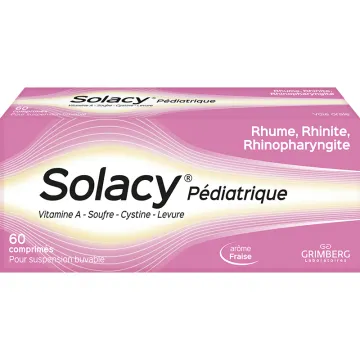
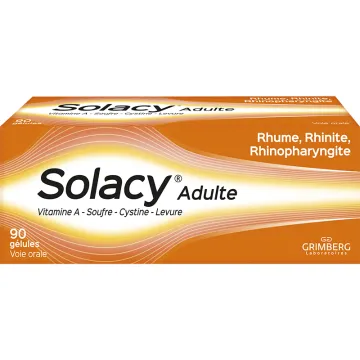
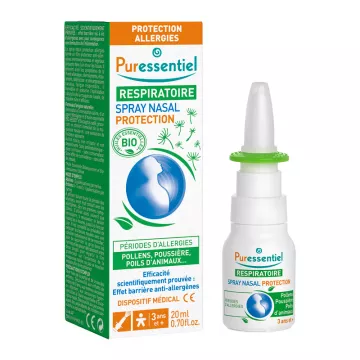
Rhinitis is an inflammation of the nasal mucosa that causes nasal congestion, runny nose, sneezing, and sometimes nasal itching. It is divided into two main categories based on its cause. Natural products for winter ENT care and respiratory tract care are available in the store. For specifically allergic rhinitis, see allergic rhinitis.
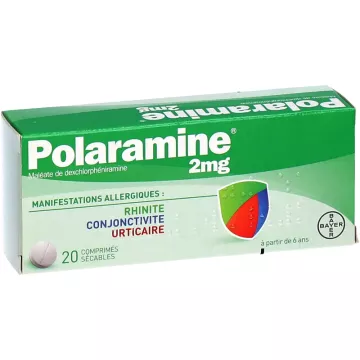
- Allergic rhinitis: an IgE-mediated reaction to inhaled allergens—seasonal (pollen from grasses, trees, and herbaceous plants—peaking from March to September depending on the species) or perennial (dust mites, animal dander, molds)—classic triad: repeated sneezing + clear nasal discharge + nasal congestion + nasal/ocular itching—often associated with allergic conjunctivitis and asthma
- Infectious (viral) rhinitis: the most common form in winter—rhinovirus, seasonal coronaviruses— common cold —rhinorrhea that is initially clear but becomes mucopurulent within 3 to 5 days (normal; does not indicate a bacterial superinfection)—spontaneous resolution within 7 to 10 days
- Non-allergic, non-infectious rhinitis: vasomotor rhinitis (triggered by cold, smoke, strong odors, pressure changes) — medication-induced rhinitis (rebound effect from nasal decongestants used for more than 5 to 7 days — xylometazoline, oxymetazoline—avoid prolonged use) — hormonal rhinitis (pregnancy—hypervascularization of the mucosa) — atrophic rhinitis (dry, crusty mucosa)
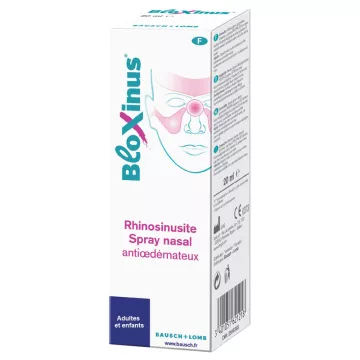
- Rhinitis vs. Sinusitis: rhinitis (nasal mucosa, primarily nasal symptoms) — sinusitis (inflammation of the paranasal sinuses — unilateral facial pain, pressure under the eyes or in the forehead, possible fever) — rhinosinusitis combines both (common in clinical practice)
How can rhinitis be effectively treated and relieved?
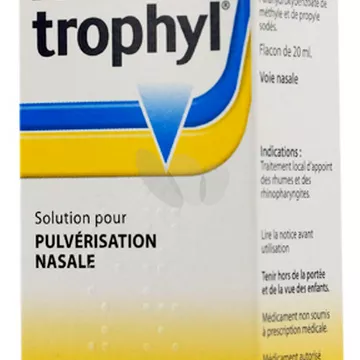
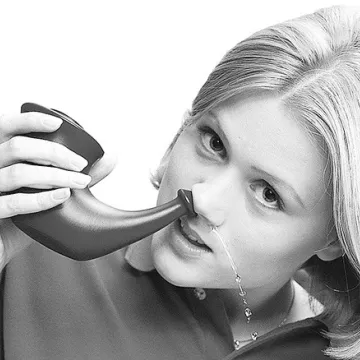
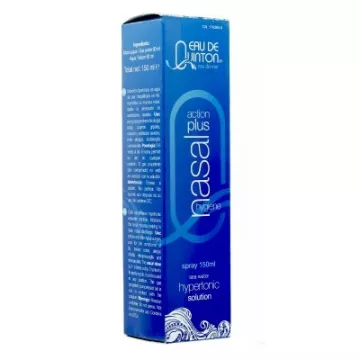
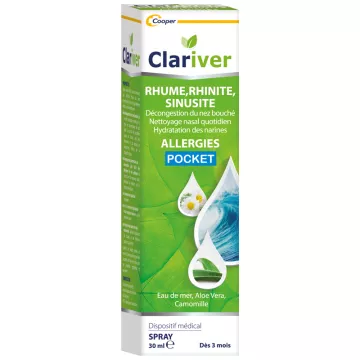
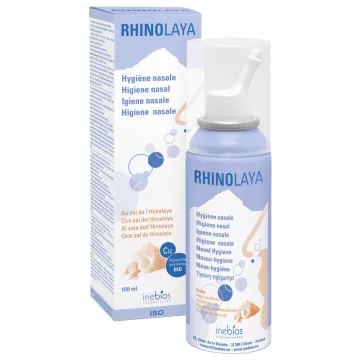
Management depends on the cause. For infectious rhinitis, treatment is symptomatic—no antiviral medications are available for rhinoviruses. Nasal irrigation with saline solution or seawater is the most effective and best-tolerated measure: it mechanically removes viruses, allergens, and accumulated mucus, moisturizes the mucous membrane, and facilitates breathing. It can be used for an unlimited duration in both adults and children.
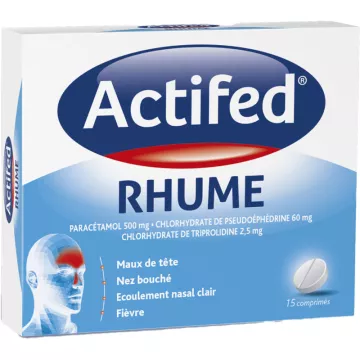
- Medications by type: nasal decongestants (xylometazoline—rapid relief—max 5 to 7 days—rebound effect with prolonged use)—oral antihistamines (cetirizine, loratadine—allergic rhinitis — second-generation, non-sedating) — nasal corticosteroids (fluticasone, mometasone — persistent allergic rhinitis — maximum effectiveness after 5 to 7 days of regular use) — immunotherapy (desensitization — severe allergic rhinitis — 3 years of treatment)
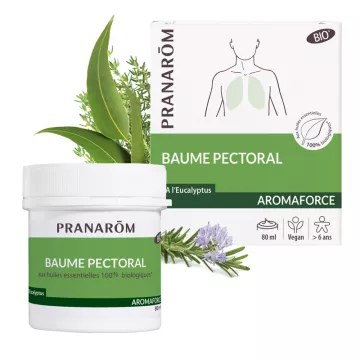
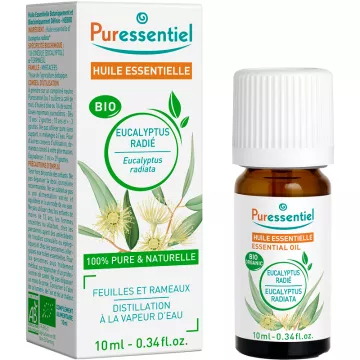
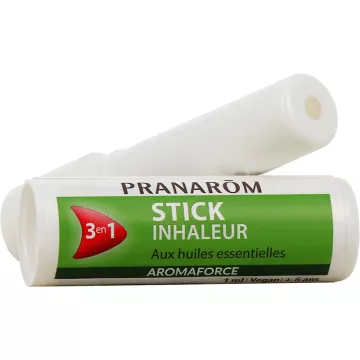
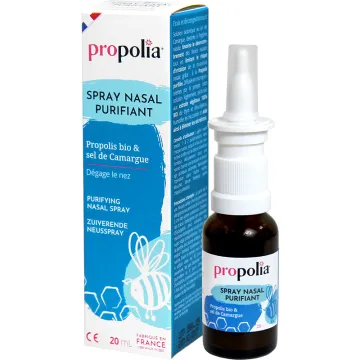
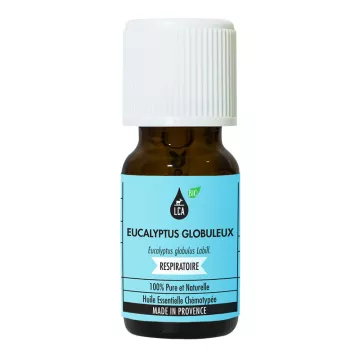
- Complementary natural remedies: eucalyptus inhalation (cineole, a nasal decongestant and anti-inflammatory) — local honey (regular consumption of local honey may gradually desensitize the body to local pollens, according to some studies) — propolis (antibacterial and immunostimulant for infectious rhinitis) — hypertonic seawater (nasal rinse with a decongestant effect more potent than saline solution)
- Environment and prevention: dust mites (dust-mite-proof covers on mattresses and pillows, washing bedding at 60°C, regular vacuuming, dehumidifier set to <50% humidity) — pollen (keep windows closed during peak pollen counts, shower and wash hair in the evening, use a HEPA air purifier) — avoid active and passive smoking (a major aggravating factor for all forms of rhinitis)
- Children and rhinitis: Rhinitis can block the Eustachian tubes and increase the risk of otitis media — monitor for hearing loss or recurrent ear infections — chronic snoring in children should prompt an evaluation for rhinitis or enlarged adenoids
How should rhinitis be managed according to the seasons and its impact on quality of life?
Seasonal allergic rhinitis follows the pollen calendar: birch and ash trees (February–April), grasses (May–July), and weeds such as ragweed (August–September). Checking pollen reports (RNSA in France) helps anticipate high-risk periods and adjust preventive treatment (antihistamines or nasal corticosteroids should be started before the season begins).
- Impact on quality of life: nighttime nasal congestion → snoring → poor-quality sleep → daytime fatigue, irritability, and reduced performance—the impact of allergic rhinitis on daily life is often underestimated—a child who is constantly congested and sleeps poorly should undergo an allergy evaluation
- Asthma and rhinitis: rhinitis and asthma share the same respiratory mucosa (the “single airway” concept) — 80% of people with asthma have rhinitis — treating rhinitis improves asthma control — should always be considered in cases of nocturnal coughing fits associated with nasal symptoms
- Signs requiring an ENT or allergy consultation: rhinitis persisting for more than 4 weeks despite treatment — unilateral symptoms (obstruction or bleeding on one side only — requires evaluation) — nasal polyposis (severe bilateral obstruction) — persistent hyposmia or anosmia — rhinitis associated with uncontrolled asthma