What is Lehning's Sinuspax used for?
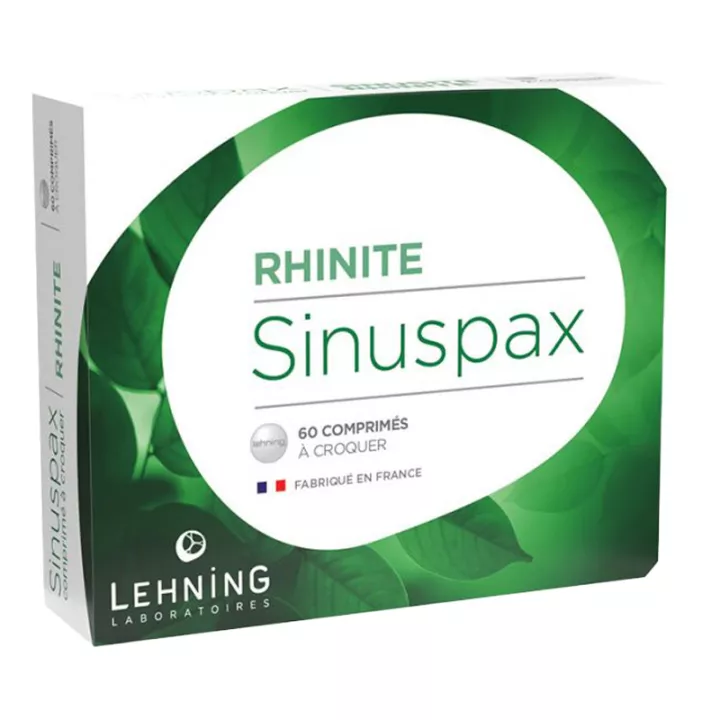
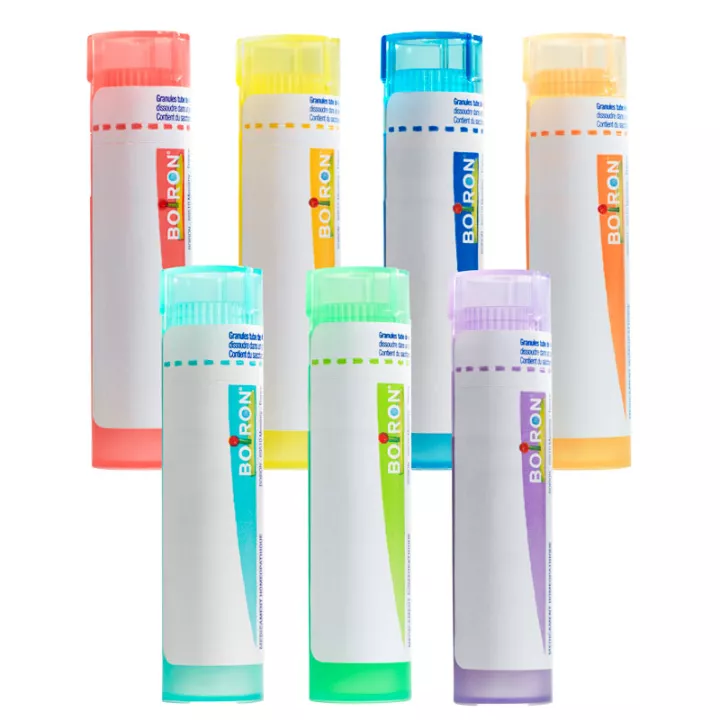
Lehning’s Sinuspax is a homeopathic medicine that combines a series of strains carefully selected for their effectiveness in treating the symptoms of sinusitis and rhinitis.
In the treatment of sinusitis and rhinitis, Lehning’s Sinuspax uses several homeopathic remedies specifically chosen for their properties that target the symptoms of these conditions. Here are the indications for the various remedies in Lehning’s Sinuspax for treating sinusitis and rhinitis:
- Belladonna: Used for its anti-inflammatory properties, it is effective in treating acute pain and sudden inflammation, often seen in cases of sinusitis.
- Calcarea carbonica ostrearum:This remedy is often recommended for people who suffer from chronic nasal congestion and excessive mucus production.
- Calcarea fluorica:Helps strengthen the elastic tissues of the mucous membranes and is useful in cases of chronic sinusitis with thickening of the mucous membranes.
- Cinnabaris: Specifically indicated for a sensation of pressure in the nose and for pain around and between the eyes, which are common symptoms of sinusitis.
- Hepar sulfuris calcareum: Valued for its rapid action on suppurative conditions, it is particularly effective against acute sinusitis with a risk of suppuration.
- Hydrastis canadensis: Used for posterior sinusitis and rhinitis with thick, viscous postnasal drip.
- Kalium bichromicum: Ideal for thick, stringy, and sticky discharge, characteristic of chronic rhinitis and sinusitis.
- Kalium sulfuricum: Used in cases of yellow, viscous mucus discharge, typical of mid-stage infections.
- Manganum sulfuricum: This remedy is suitable for chronic inflammation of the mucous membranes with profuse secretions.
- Sabadilla: Effective for bouts of sneezing and nasal irritation, which are often symptoms of allergic rhinitis.
- Silicea:Known for its effect on chronic conditions, it helps strengthen the body’s defenses and expel foreign substances, including excess sinus mucus.
- Thuya occidentalis:Recommended for chronic inflammation with thick mucus production, often associated with fungal or bacterial infections.
These strains work synergistically to treat the complex symptoms of sinusitis and rhinitis, providing relief by targeting inflammation, pain, congestion, and excessive secretions
Lehning’s Sinuspax provides effective and rapid relief from nasal symptoms such as inflammation and pain, thereby making it easier to breathe and reducing associated headaches and facial pain. Thanks to its natural ingredients, Lehning’s Sinuspax works without causing the unwanted side effects commonly associated with conventional medications. This remedy offers a homeopathic approach that is both safe and natural for treating sinusitis and rhinitis, whether allergic or non-allergic in nature. Lehning’s Sinuspax is an ideal alternative for those who prefer to avoid traditional medications, offering an effective and natural solution for these conditions.
Sinusitis is characterized by inflammation of the mucous membranes lining the sinuses—the bony cavities in the face that connect to the nasal passages. This inflammation, often resulting from a viral or bacterial infection, can block these passages and prevent the normal drainage of mucus, creating an environment conducive to microbial growth. Sinuspax Lehning is specially formulated to target and relieve the unpleasant symptoms of sinusitis and rhinitis. The tablets work gently yet effectively to reduce inflammation, clear blocked nasal passages, and soothe the pain associated with these conditions.
Thanks to Sinuspax Lehning, those affected can regain respiratory comfort and a better quality of life, freeing themselves from the daily challenges caused by sinusitis and rhinitis. This homeopathic treatment also strengthens the immune system, helping to prevent recurrent respiratory infections and thereby improving overall health.
What is the composition of Sinuspax?
| Composition |
Per 500 mg tablet |
| Belladonna |
3 DH |
20 mg |
| Calcarea carbonica ostrearum |
3 DH |
20 mg |
| Calcarea fluorica |
3 DH |
20 mg |
| Cinnabaris |
8 DH |
20 mg |
| Hepar sulfuris calcareum |
5 DH |
20 mg |
| Hydrastis canadensis |
3 DH |
20 mg |
| Potassium bichromate |
5 DH |
20 mg |
| Calcium Sulfate |
4 DH |
20 mg |
| Manganum sulfuricum |
3 DH |
20 mg |
| Sabadilla |
3 DH |
20 mg |
| Silicea |
5 DH |
20 mg |
| Thuya occidentalis |
2 DH |
20 mg |
Excipients with known effects: lactose, sucrose, glucose.
Manufactured in France.
Precautions for Use
- Contains Silicea and Hepar sulfur; do not use in cases of ear infection or sinusitis without consulting a doctor.
- Contains lactose, sucrose, and mannitol.
- If symptoms persist, consult your doctor.
- Ask your pharmacist for advice. Read the package insert carefully.
- If you have flu-like symptoms (fever over 38°C, body aches, and extreme fatigue accompanied by respiratory symptoms such as a cough), the flu may be suspected.
How should this homeopathic remedy be taken?
For adults and children over 6 years of age only. For oral use.
- Adults: 2 chewable tablets 2 to 3 times a day.
- Children over 6 years of age: 1 chewable tablet 2 to 3 times a day.
Chew the tablets and let them dissolve, preferably between meals.
Space out doses as soon as improvement is noted and stop taking the medication once symptoms have disappeared. Maximum treatment duration: 10 days.
Presentation - Packaging
Box of 60 tablets, 500 mg each.
Approved Medication No. AMM / CIP 3400932020751
Our Advice and Expert Opinions from Pharmacists
Rhinitis and sinusitis are two common but distinct respiratory conditions that affect the nasal passages and sinuses. Understanding their differences is crucial for proper diagnosis and treatment.
Rhinitis: Rhinitis is an inflammation of the nasal mucosa. It can be caused by allergens (allergic rhinitis) or by viruses (viral rhinitis). Typical symptoms of rhinitis include a clear nasal discharge, repeated sneezing, and nasal congestion. Colds and allergies are the most common causes of rhinitis.
Sinusitis: Sinusitis, on the other hand, is an inflammation or infection of the sinuses—the air-filled cavities located around the nose and eyes. This condition can be triggered by a viral or bacterial infection, often following rhinitis, especially if the nasal passages are blocked. Symptoms of sinusitis include facial pain or pressure, more severe nasal congestion, thick nasal discharge that is often yellow or green in color, a diminished or lost sense of smell, as well as headaches, bad breath, fatigue, and coughing.
Key Differences:
- Cause of symptoms: Rhinitis is essentially an inflammation of the inner lining of the nose, whereas sinusitis involves the paranasal sinuses, thereby affecting larger areas of the face.
- Nature of symptoms: Rhinitis is primarily characterized by clear nasal discharge, sneezing, and congestion, without significant facial pain. In contrast, sinusitis can cause specific pain or pressure in the areas of the affected sinuses, a loss of smell, and thicker, discolored nasal discharge.
- Duration of symptoms: Symptoms of rhinitis, especially when caused by allergies, can last as long as exposure to the allergen continues. Symptoms of sinusitis, particularly in acute cases, can persist for several weeks and often require medical treatment for complete resolution.
Treatment and Prevention Tips:
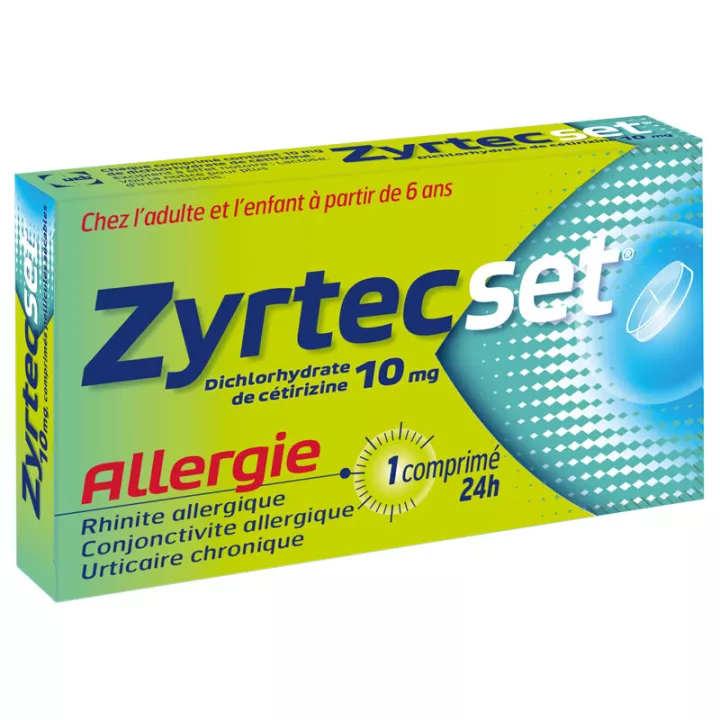
- For rhinitis, avoiding known allergens and using antihistamines or nasal sprays recommended by a healthcare professional can help control symptoms.
- For sinusitis, measures such as staying hydrated, using saline nasal sprays, and sometimes antibiotics (for bacterial sinusitis) are necessary. Decongestants or corticosteroids may also be prescribed to reduce inflammation and make breathing easier.
It is important to see a doctor if symptoms persist or worsen, in order to receive an accurate diagnosis and an appropriate treatment plan.