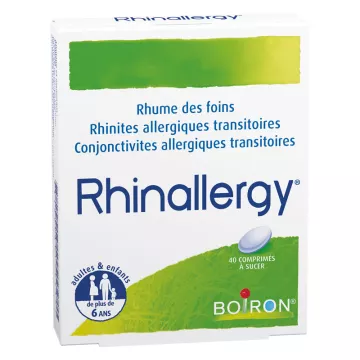
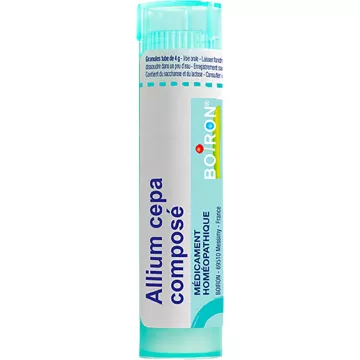
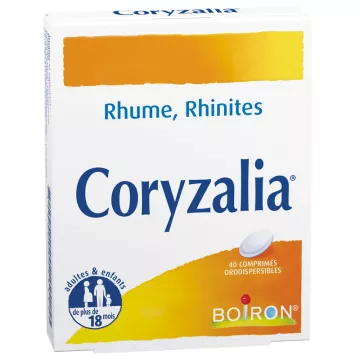
Effectively relieve the symptoms of seasonal allergic rhinitis with the homeopathic treatments offered by Soin-et-Nature, which combine natural ingredients, tolerability, and personalized treatment. Tailored to each individual’s allergy profile, these gentle remedies—free of side effects—provide genuine respiratory relief during periods of intense pollen counts or prolonged exposure to allergens.
More details



Rhinitis is a mild, acute, or chronic inflammation of the nasal mucosa. Suffice it to say that it has many causes and can take on a wide variety of forms. The most common form is caused by a cold (coryza). It can be chronic and characterized by a more or less significant thickening (hypertrophy) of the nasal mucosa, sometimes leading to severe obstruction of the nasal passages.
In the spring or summer, many cases of rhinitis result from pollen allergies, but other allergens—such as dust mites, animal dander, mold, and dust, among others—should not be overlooked.
Also known as allergic, anaphylactic, or perennial rhinitis, it is the nasal form of allergy that manifests, among other symptoms, as frequent sneezing, a profuse runny nose, and nasal congestion. It is often pollen-induced rhinitis, that is, triggered by allergenic pollens (hay fever). Treatment is fairly standard, primarily based on antihistamines or cortisone. There are pollen desensitization programs available, particularly for grass pollen. At the same time, homeopathy offers personalized natural remedies that help relieve symptoms and gently strengthen the body’s resistance to allergies.
There are two types of allergic rhinitis:
It is most often caused by plant allergens, which vary by season.
Common plant allergens include the following:
Causes also vary by region, and allergic rhinitis is sometimes caused by airborne fungal spores.
It results from year-round exposure to inhaled allergens in the home (dust mite feces, cockroaches, animal hair or feather fragments) or from a strong reaction to plant pollens over the course of several seasons.
The Asteraceae or Compositae family comprises approximately 25,000 species, including ragweeds and mugworts. Ragweeds, accidentally introduced to France 50 years ago (by American paratroopers), are notably responsible for severe hay fever and asthma in individuals who are often sensitized to foods such as celery. Ragweed is unique in that it has an explosive pollen release concentrated in the second half of August and early September. Mugworts pollinate from mid-July to mid-October. Their pollen is highly allergenic and causes rhinoconjunctivitis and asthma.
The Urticaceae family comprises approximately 700 species, mostly tropical. In Europe, pellitory plants are most commonly found. Pellitory is responsible for persistent rhinoconjunctivitis and severe asthma; its pollen release, as abundant as that of grasses, extends over a long period (from April to mid-October).
Trees are a major source of highly allergenic pollen. Their pollination season spans a long period; it begins between December and February, depending on the geographic region—starting with cypress and thuja in southern France—and ends in late June or early July with chestnut trees. Allergy to cypress pollen is unique in that it is a winter pollen allergy responsible for intermittent rhinoconjunctivitis and, more rarely, asthma.
Additional non-allergenic triggers (cigarette smoke, strong odors, irritating fumes, air pollution, cold temperatures, high humidity) should also be avoided or controlled whenever possible.
Dosage: 5 granules of each at bedtime.
In combination with:
Homeopathy is a form of alternative medicine that uses remedies made from plants and minerals to treat illnesses and everyday ailments. For over 200 years, this practice has proven itself worldwide as an effective method for preventing and treating many illnesses, including allergic rhinitis.
Allergic rhinitis, also known as hay fever, is caused by an allergic reaction to substances such as dust, pollen, or dust mites. Symptoms include frequent sneezing, nasal congestion, red and swollen eyes, and a runny nose. Although antihistamines are often used to relieve symptoms, they can cause side effects such as drowsiness and confusion.
Homeopathy, on the other hand, is a safe and natural option for relieving the symptoms of allergic rhinitis. Homeopathic remedies are selected based on each patient’s individual symptoms, which means they are tailored to each specific case. Furthermore, they generally have no side effects and can be used safely by both children and adults.
One of the most commonly used homeopathic remedies for allergic rhinitis is Allium cepa, which is derived from the onion. This remedy is particularly effective at relieving frequent sneezing and nasal congestion. The remedy Sabadilla is also often used to treat allergic rhinitis, particularly in people who experience violent sneezing and feel better when outdoors.
In addition to relieving the symptoms of allergic rhinitis, homeopathy can also be used to prevent this condition. For example, the remedy Natrum muriaticum is often used to strengthen the immune system and help prevent allergic reactions. Similarly, the remedy Arsenicum album can be used to strengthen the body’s defenses and help prevent allergic rhinitis.
It is important to note that homeopathy should not be used as a substitute for appropriate medical treatment. If you suffer from allergic rhinitis or any other health condition, it is recommended that you consult a doctor or a qualified healthcare professional.