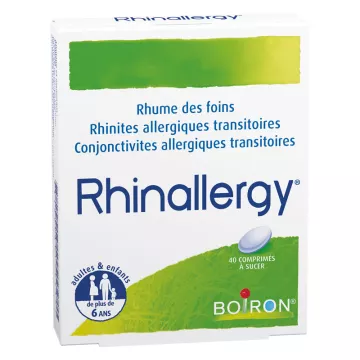
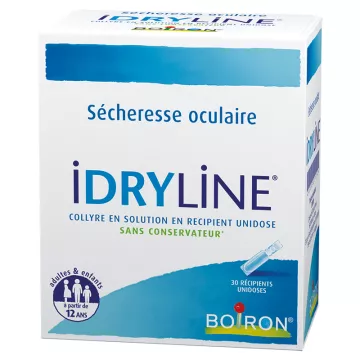
Itchy eyes, sneezing, itching, digestive issues… allergies can quickly become overwhelming. On Soin-et-Nature, explore a selection of gentle, targeted homeopathic remedies to soothe respiratory , skin, or food-related allergic reactions . Through a natural and personalized approach, homeopathy helps reduce symptoms while supporting the long-term balance of the immune system.
More details









Order your homeopathic remedies for allergies at the pharmacy:
An allergic reaction is an abnormal and excessive response by the immune system to substances that are normally harmless but which people with allergies breathe in, swallow, or come into contact with. The main allergens involved are:
Discover our new line of homeopathic remedies to effectively treat your allergy problems with homeopathy.
Dermatophagoides pteronyssinus and Dermatophagoides farinae: These are the homeopathic remedies for dust mite allergies. If an allergy has been confirmed by an allergist and the species of dust mite has been identified, the dosage is 3 granules of Dermatophagoides pteronyssinus or Dermatophagoides farinae 5 CH, 1 to 2 times a day.
These are homeopathic remedies made from a specific allergen. They help desensitize people who have precisely identified the allergen to which they are sensitive—such as cat dander or other allergens (cypress pollen, etc.)—through a medical interview or skin tests. They are sometimes prescribed in a stepwise regimen (with dilutions gradually increasing over the course of several weeks).
Homeopathy can be used to relieve symptoms, but also to prevent allergies.
For the homeopathic treatment of underlying allergies, there are two possible remedies:
Homeopathy is a therapeutic method that aims to treat the symptoms of a disease using natural substances diluted in very precise proportions. For many years, this practice has been used to treat or prevent allergies in adults and children.
Allergies are caused by an excessive reaction of the immune system to a foreign substance, known as an allergen. This reaction can lead to a range of symptoms such as a runny nose, sneezing, itchy eyes, coughing, and asthma. Although allergies are common, they can be very debilitating and affect the quality of life of those who suffer from them.
Homeopathy is often used as an alternative or complement to conventional medicine for treating allergies. It aims to strengthen the immune system so that it can better cope with allergens and reduce symptoms.
There are many different homeopathic remedies that can be used to treat allergies. One of the most common is the remedy called“Allium cepa,” which is used to relieve symptoms associated with respiratory allergies, such as a runny nose and sneezing. Another popular remedy is“Sabadilla,” which is used to treat skin allergies and insect bites.
In addition to these specific remedies, there are also general homeopathic treatments that can be used to boost the immune system and help prevent allergies. Among these treatments are“Astragalus,” which is used to strengthen the immune system and improve resistance to infections, as well as“Echinacea,” which is used to bolster the body’s defenses and prevent respiratory infections.
It is important to note that homeopathy does not cure allergies, but it can help relieve symptoms and prevent allergic reactions. It can also be used as a complement to other traditional treatments, such as antihistamines, to enhance their effectiveness.
It is also important to emphasize that homeopathy is not recommended as the sole treatment for severe allergies or chronic conditions, such asasthma.
Hives, a skin condition that is both bothersome and painful, affects a large number of people each year. Often linked to allergic reactions, this condition is characterized by intense itching and outbreaks of red welts. Fortunately, natural solutions exist to effectively combat these symptoms, particularly through homeopathy, a gentle approach that respects the body’s natural processes.
Hives manifest as an inflammatory skin reaction, primarily caused by an excessive release of histamine. This substance, which is normally beneficial to our bodies, can cause unpleasant symptoms when produced in large quantities. The causes of this overproduction are varied: certain foods, specific medications such as nonsteroidal anti-inflammatory drugs (NSAIDs) and diuretics, or exposure to environmental allergens.
The symptoms of hives are easily recognizable: sometimes unbearable itching accompanied by red, raised bumps, mainly concentrated around the irritated areas. These symptoms may be accompanied by a burning sensation or swelling, thereby affecting the quality of life of those affected.
To address these discomforts, homeopathy offers personalized remedies tailored to each individual and the specific nature of their symptoms. Depending on the cause of the hives—whether it’s a food reaction, exposure to the sun or cold, or physical exertion—specific homeopathic remedies may be recommended:
For more acute symptoms, remedies such as Apis mellifica, Copaiva, Belladonna, and Arsenicum album in 9 Ch may also be considered.
It is crucial to see a doctor if symptoms persist despite homeopathic treatment. A medical consultation is particularly necessary if the rash affects the face—especially the eyelids—or if shortness of breath occurs. Similarly, if symptoms worsen after taking medication or if several members of the same family are affected, a medical evaluation is essential.
Homeopathy offers a range of remedies to treat hives, such as Apis Mellifica, Bovista Gigantea, Calendula Officinalis, Dolichos Pruriens, Histaminum, and many others. These treatments aim not only to alleviate symptoms but also to address the underlying causes of hives, thereby offering a holistic approach to health.