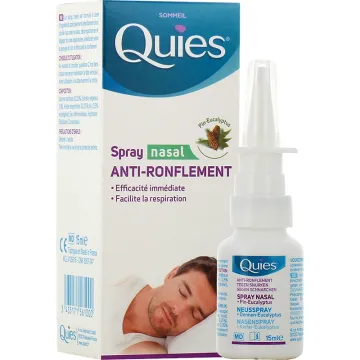
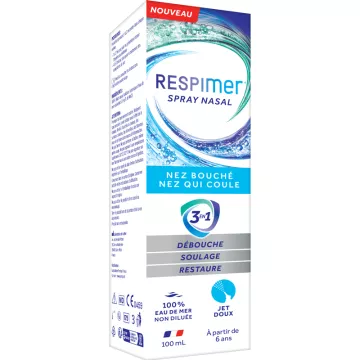
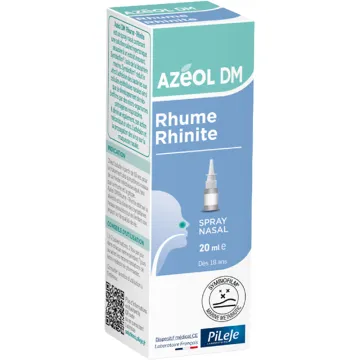
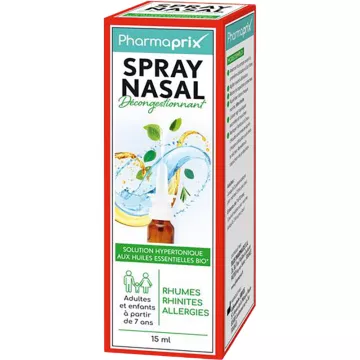
What is a nasal spray, and what types are available?
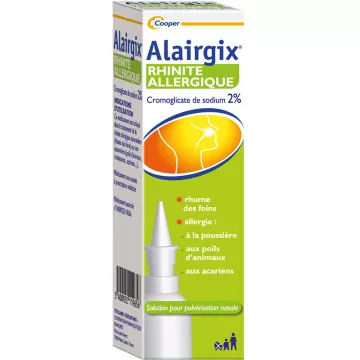
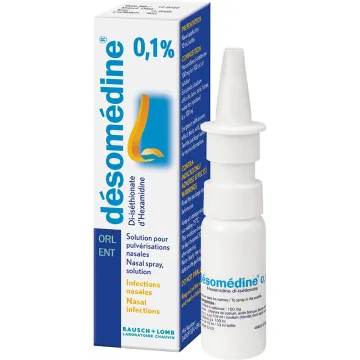
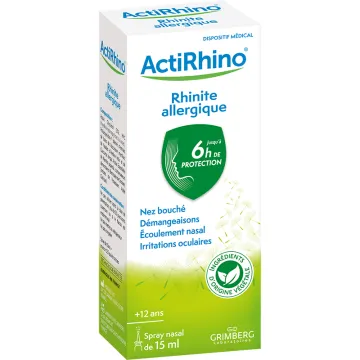
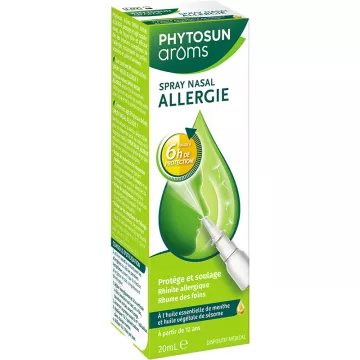
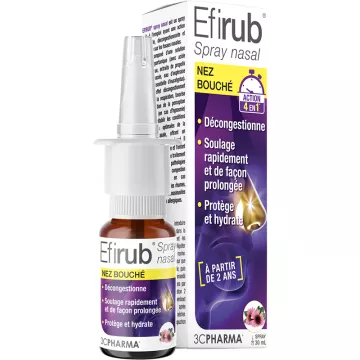
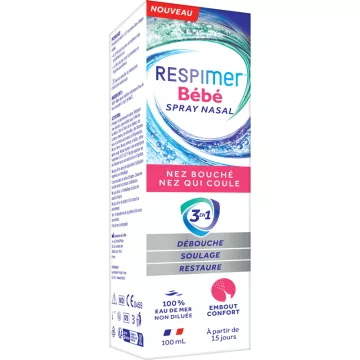
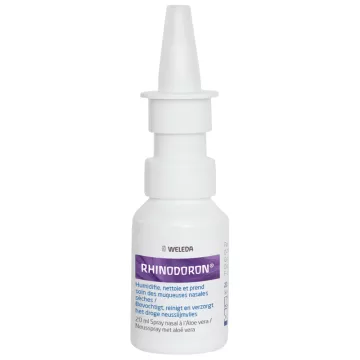
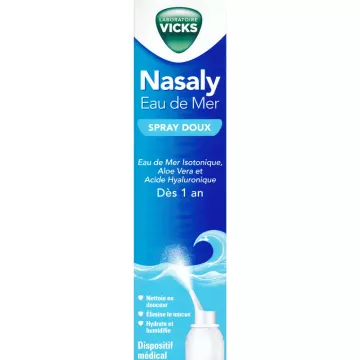
A nasal spray is a solution delivered in fine droplets directly into the nostrils—it allows for immediate contact with the nasal mucosa, rapid action, and fewer systemic side effects compared to oral medications. There are three main categories based on their intended use. Products for nasal care, hygiene, and nasal irrigation are available in the store.
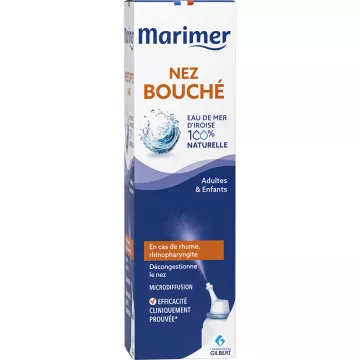
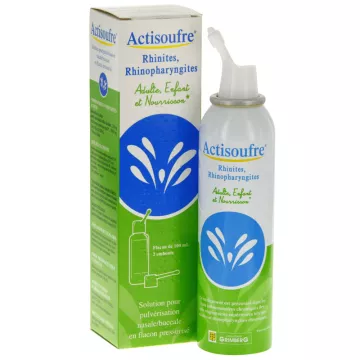
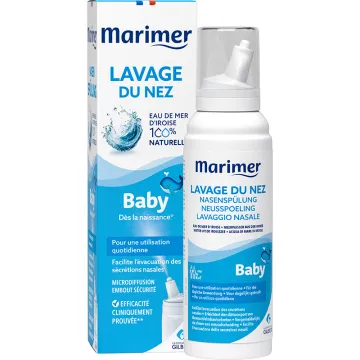
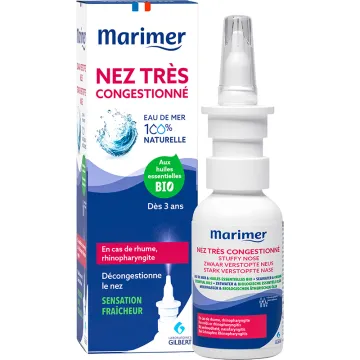
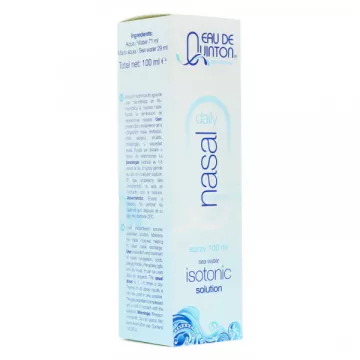
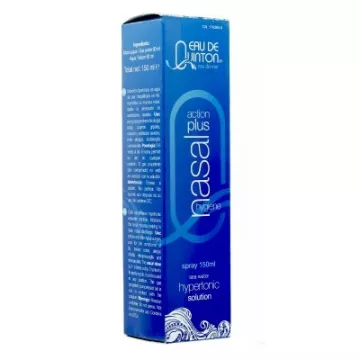
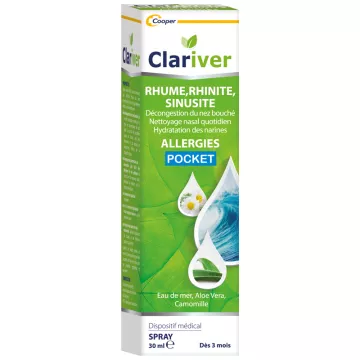
- Saline sprays (normal saline / seawater): isotonic (9 g/L of NaCl—the same concentration as nasal cells—gentle cleansing, moisturizing, and removal of allergens and viruses) or hypertonic (more concentrated—decongestant effect via osmosis—reduces swelling of the mucous membrane) — can be used indefinitely in adults and children — first-line treatment for the common cold, coryza, and rhinitis
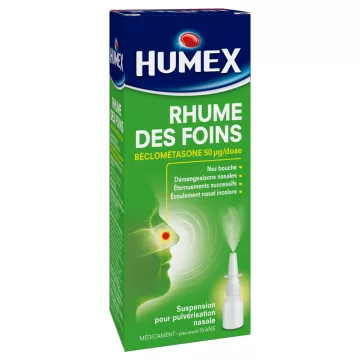
- Nasal corticosteroid sprays: fluticasone, mometasone, budesonide — standard of care for persistent allergic rhinitis and sinusitis — maximum efficacy after 5 to 7 days of regular use — proven long-term safety (negligible systemic absorption) — prescribed or available over the counter depending on concentration
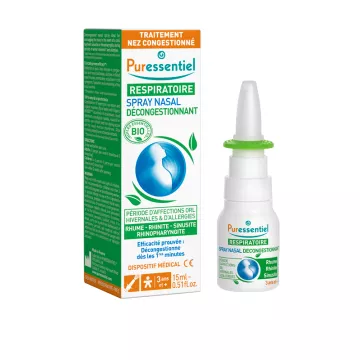
- Decongestant (vasoconstrictor) sprays: xylometazoline, oxymetazoline — rapid relief (5 to 15 minutes) from nasal congestion — duration of action 6 to 12 hours — LIMITED to a maximum of 5 to 7 days — beyond that: risk of rebound rhinitis (medication-induced rhinitis)
- Antihistamine nasal sprays: azelastine — rapid relief from sneezing and itching associated with allergic rhinitis — an alternative to oral antihistamines for targeted local relief
How to use a nasal spray correctly and avoid rebound rhinitis?
The administration technique determines effectiveness. Incorrect use (spraying too close to the nasal septum) can irritate the mucous membrane and cause bleeding. Tilt your head slightly forward, aim the nozzle toward the outer wall of the nostril (not toward the central nasal septum), and inhale gently through your nose at the same time—this technique ensures optimal distribution in the nasal turbinates.
- 5-step technique: gently blow your nose—shake the bottle and prime if necessary—tilt your head slightly forward—insert the nozzle into one nostril, aiming toward the outer wall (not toward the septum) — activate the spray while gently inhaling through the nose — do not blow your nose for 10 minutes afterward — repeat for the other nostril
- Rebound rhinitis—understanding and prevention: vasoconstrictors (xylometazoline) constrict the nasal blood vessels—when use is stopped, the vessels dilate as a rebound effect, and congestion returns more intensely than before — repeated use → tolerance → dependence → medication-induced rhinitis — never use for more than 5 to 7 days — gradually taper off if rebound rhinitis sets in (gradual reduction + hypertonic saline spray as a replacement)
- High blood pressure and decongestant sprays: nasal vasoconstrictors can increase blood pressure through systemic absorption (even partial) — contraindicated in cases of uncontrolled hypertension, ischemic heart disease, or hyperthyroidism — prefer hypertonic saline sprays
- Bottle care: Clean the nozzle after each use—do not share the bottle (risk of viral transmission)—observe the expiration date after opening (generally 3 to 6 months)
Nasal Sprays During Pregnancy, in Children, and Natural Alternatives
Isotonic and hypertonic saline sprays are the only ones recommended without restriction during pregnancy—they contain no active ingredients and pose no risk to the fetus. Vasoconstrictor decongestant sprays are contraindicated during pregnancy (risk to fetal and placental blood vessels). Nasal corticosteroids may be used under medical supervision if the benefit justifies the risk.
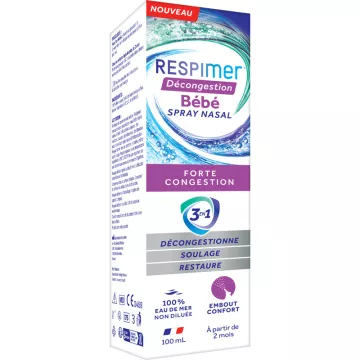
- Infants and children: nasal irrigation with saline solution (as a spray or in single-dose form) (dropper) — followed by a nasal aspirator for infants — decongestant sprays are contraindicated before age 15 for most products — nasal corticosteroids may be used starting at age 2 for certain formulations (check for pediatric approval) — seawater sprays may be used from birth
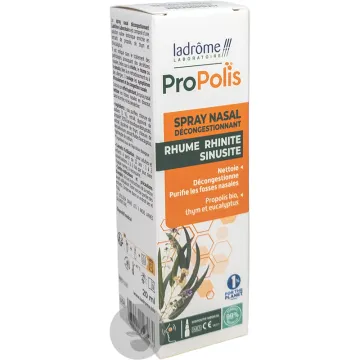
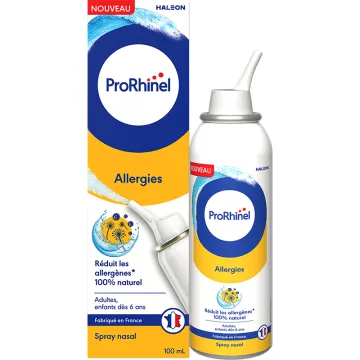
- Natural alternatives to medicated sprays: isotonic or hypertonic seawater (Physiomer, Prorhinel, Sterimar—mechanical action to remove viruses and allergens + osmotic decongestion) — eucalyptus via diffusion into the air or steam inhalation (natural decongestant for the nasal mucous membranes — not for direct intranasal application) — ravintsara or thyme essential oil via diffusion — inhalation pot + decongestant herbs
- Choose as needed: common cold/viral coryza → isotonic saline spray several times a day — allergic nasal congestion → nasal corticosteroid as maintenance therapy — acute, occasionally severe congestion → decongestant for a maximum of 5 days — seasonal allergic rhinitis → combined nasal antihistamine and nasal corticosteroid