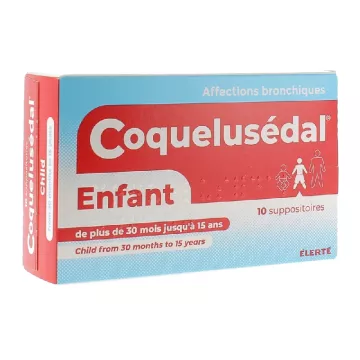
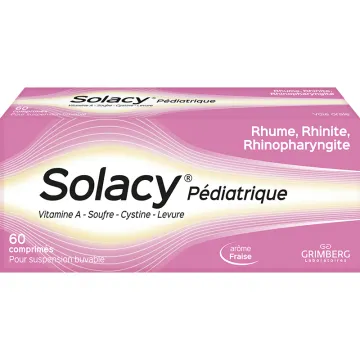
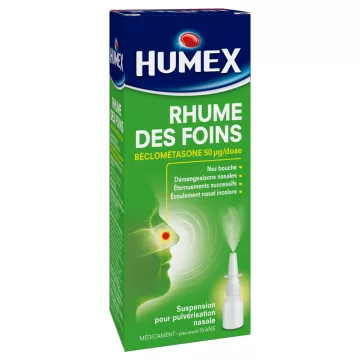
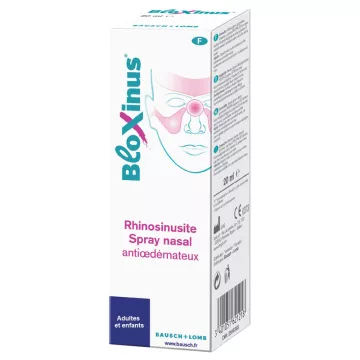
During the winter months, three-quarters of the population suffers from this mild respiratory illness caused by a virus. Unless a secondary infection sets in, it clears up on its own within a week. A viral cold should not be confused withhay fever or allergic rhinitis.
No medications will be shipped outside of France. Available for in-store pickup only at the pharmacy in Perpignan (France).
Soin-et-Nature.com, your ARS-approved organic pharmacy, offers you the option to buy your cold medication online. Share your feedback on your shopping experience at our online organic pharmacy with our partner, Avis vérifiés.
More detailsTo avoid spending the winter stuck in bed, learn how to prevent and treat all those minor ailments that make life miserable: coughs, sore throats, runny noses, ear infections, bronchitis, and flu-like symptoms.
Rhinoviruses are the main infectious agents responsible for the common cold and belong to the Picornaviridae family. These viruses are common in temperate climates, particularly during the winter months. There are more than 100 serotypes. They are non-enveloped (more resistant than enveloped viruses) RNA viruses.
Infection of the nasal passages by rhinoviruses or coronaviruses triggers the activation of severalinflammatory factors, including histamine. Activation of the parasympathetic nervous system is thought to be responsible for nasal discharge. These viruses are highly contagious; they spread from person to person through direct contact, inhalation of airborne microdroplets (sneezing), or contact with a contaminated object.
The common cold, or rhinopharyngitis, is a mild respiratory tract infection characterized by a runny nose and/or a stuffy nose.
The symptoms of a cold are very similar to those of the flu or other acute infectious diseases: fever, headache, runny nose, nasal congestion, chills, fatigue, mild body aches, and sneezing.
A runny or stuffy nose, along with sneezing, are the most unpleasant and common symptoms of a viral cold (commonly known as a “brain cold”). The discharge is initially clear; it often becomes thicker and more purulent after a few days. At that point, the nose becomes easily blocked. Other symptoms frequently occur, such as a tickling or even a burning sensation in the nose, a more or less pronounced loss of smell and taste, and even a fever.
In children, a cold is most often a nasopharyngitis.
A simple cold generally resolves on its own without complications. When the mucous membrane is severely inflamed or the body’s natural defenses are weakened, other respiratory illnesses can develop in the upper respiratory tract (tracheitis, bronchitis), the sinuses, or the middle ear. Infections can then take hold and cause various conditions, such as sinusitis or an ear infection.
(Source:https://www.vidal.fr/maladies/nez-gorge-oreilles/rhume-rhinite.html)
If you haveafever higher than 38 °C or a headache, taking afever- and pain-relieving medication(acetaminophen, aspirin, NSAIDs, etc.) may be sufficient.
Saline or seawater solutions, available at pharmacies and drugstores, effectively cleanse and clear the nose. They can be used several times a day depending on the degree of nasal congestion. When rinsing your nose, opt for single-dose products.
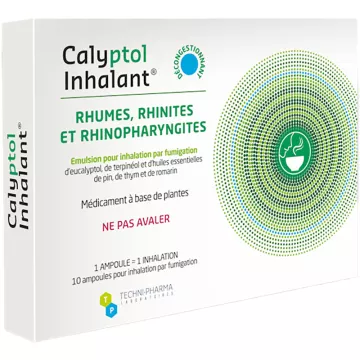
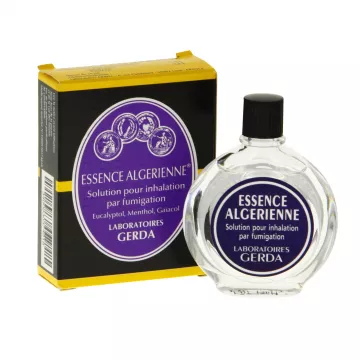
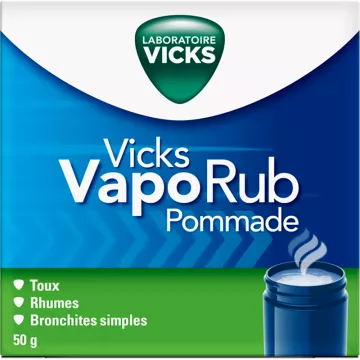
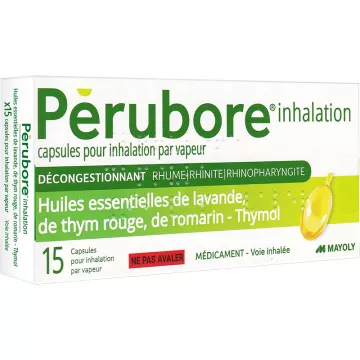
Antibacterial nasal solutionshelp disinfect the nose. Once opened, they can become contaminated with germs. Do not keep them beyond the duration of treatment.Inhalation solutionscontainingplant essences (eucalyptus, peppermint, camphor, etc.)help decongest the respiratory tract.
Nasal solutions containing a decongestant vasoconstrictor(alone or combined with an antiseptic or anti-inflammatory) are sometimes prescribed asa short-term adjunctive treatmentfor colds in adults. Available only by prescription, these nasal solutions carry a risk of chronic rhinitis if the dosage instructions are not followed.Their use should be limited to a maximum of 5 days. In addition, repeated use can lead to increased absorption of the vasoconstrictor into the bloodstream and cause palpitations, nausea, or headaches. These medications must never be combined with another medication containing a vasoconstrictor (whether administered nasally or orally): such a combination is ineffective and dangerous. For the most part, they have not been covered by Social Security since September 1, 2012.
Nasal solutions containingcorticosteroidshave an anti-inflammatory effect on the nasal mucous membranes. A doctor may prescribe them for certain forms of rhinitis. They are most effective when used after blowing your nose.
If you decide to self-medicate with a cold remedy:
(Source:https://www.vidal.fr/maladies/nez-gorge-oreilles/rhume-rhinite/traitements.html)
| 1 | If the cold is accompanied by a high fever, earaches, severe headaches, or breathing difficulties. |
| 2 | If there is blood in your nasal discharge on a regular basis. |
| 2 | If the cold does not go away after about ten days. |
| 2 | If the cold causes severe discomfort. |
| 3 | If the symptoms are typical of a cold, with no complications. |
| KEY |
| 1 = See a doctor today. |
| 2 = See a doctor in the next few days. |
| 3 = You can treat yourself. |
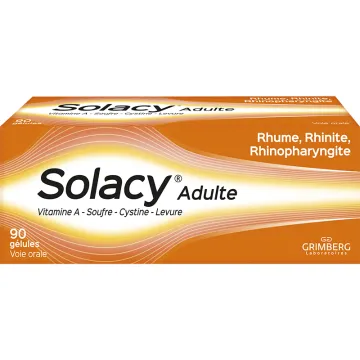
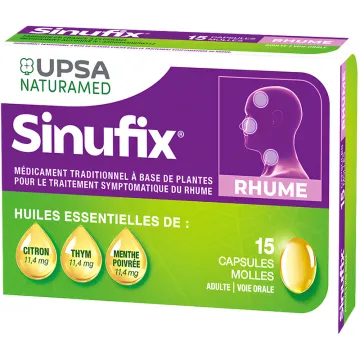
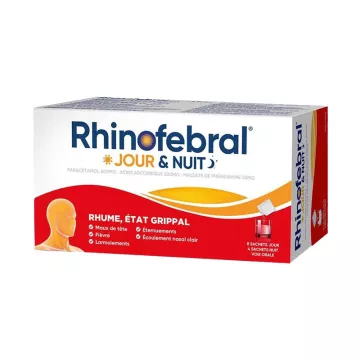
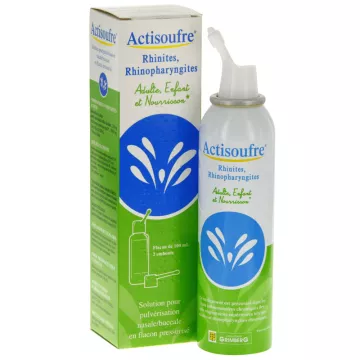
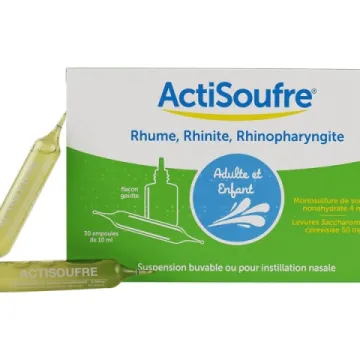
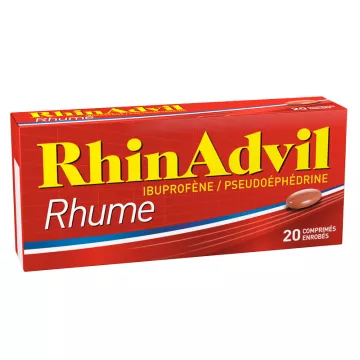
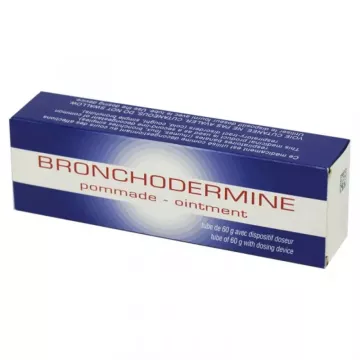
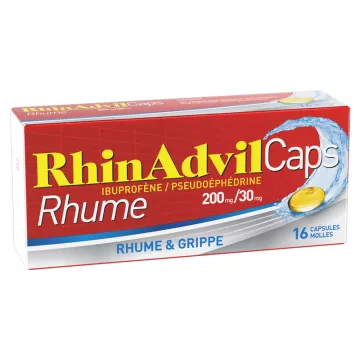
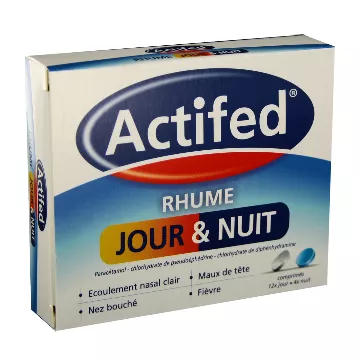
Soin-et-Nature offers a complete range of medications for treating respiratory conditions and the common cold.
These treatments are available without a prescription on Soin-et-Nature and ensure effective relief in accordance with medical recommendations.