What is an oral spray, and what is it used for?
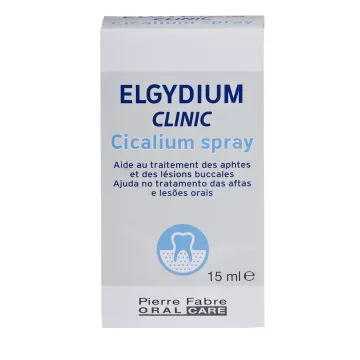
An oral spray is a liquid formula that is sprayed directly into the mouth to act locally and quickly on the mucous membranes. Unlike mouthwash (which involves active rinsing for 30 to 60 seconds followed by spitting), the spray delivers its active ingredients directly to the target area without dilution—giving it a more concentrated and immediate effect. There are several types depending on the intended use: freshening breath, moisturizing dry mucous membranes, providing antiseptic or antibacterial action, or relieving oral pain.Oral hygiene products and treatments for bad breath are available in the store.
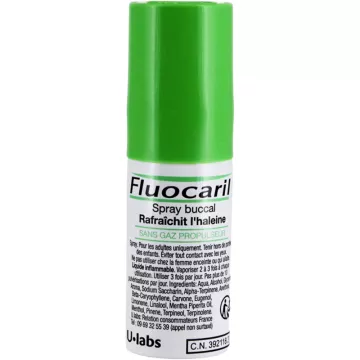
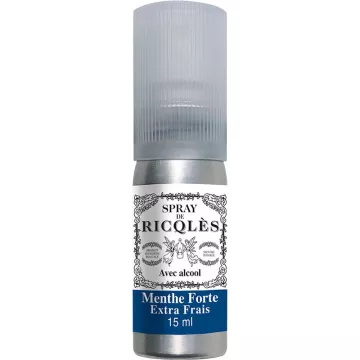
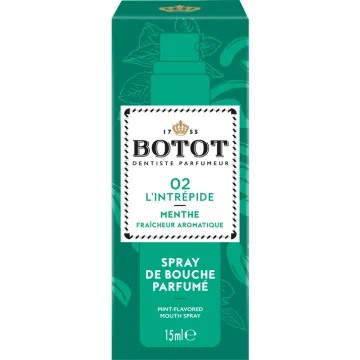
- Fresh breath sprays: light formulas with mint, essential oils, or chlorophyll—immediately mask odors but have a short duration (30 minutes to 2 hours) — do not treat the underlying cause of halitosis — useful as a quick fix (after coffee or garlic, before a meeting)
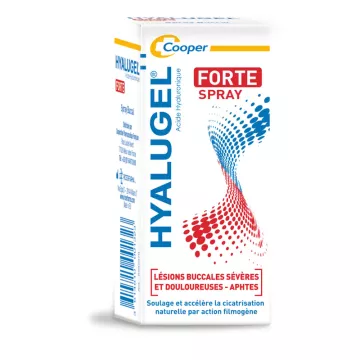
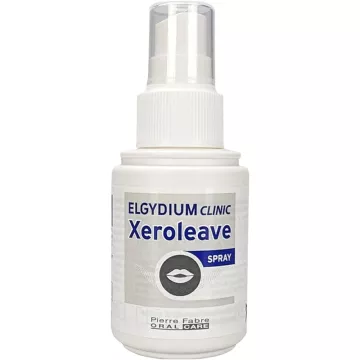
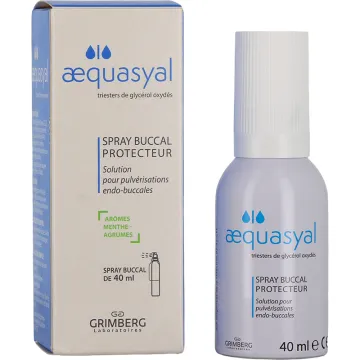
- Saliva substitute sprays: recommended for dry mouth (xerostomia) — formulas containing carboxymethylcellulose, mucin, hyaluronic acid, or xanthan gel — provide immediate lubrication of the oral mucosa — last 1 to 4 hours — should be used before meals and at night — a convenient alternative to jarred saliva substitute sprays
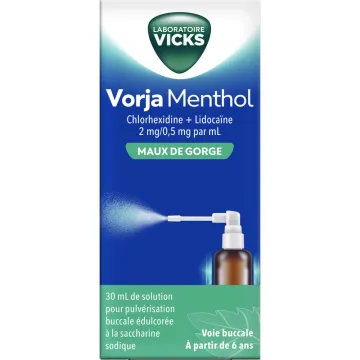
- Antiseptic oral sprays: containing chlorhexidine (0.12–0.20%), cetylpyridinium chloride (CPC), or propolis-based — targeted antibacterial action on the gums, canker sores, or inflamed areas — advantage over mouthwash: precise application without the need for general rinsing
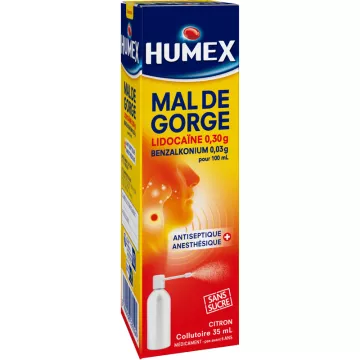
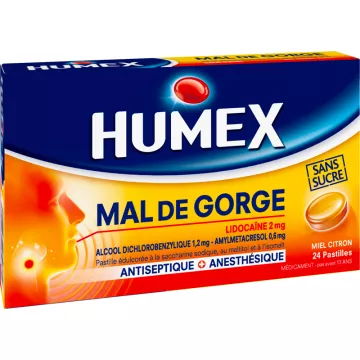
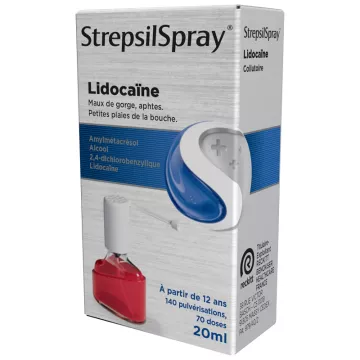
- Oral analgesic sprays: lidocaine or benzocaine—temporary local anesthesia (20 to 45 minutes) for canker sores, traumatic wounds, or post-extraction pain—for occasional use only—do not use in infants and young children (risk of methemoglobinemia with benzocaine)
What natural active ingredients are found in oral sprays, and how should you choose them?
Oral sprays containing natural active ingredients offer a gentle alternative for daily care or occasional relief. Propolis is the most well-documented natural active ingredient for oral health: antibacterial, antiviral, and anti-inflammatory, it is effective against the main oral bacteria (Streptococcus mutans, Porphyromonas gingivalis, Candida albicans)—propolis spray can be applied directly to a canker sore or inflamed gums, or used after brushing for daily antibacterial care.
- Essential oils in oral sprays: tea tree (Melaleuca alternifolia—antibacterial and antifungal—diluted to 0.5–1% in water or hydrosol)—clove (eugenol—natural local anesthetic—for canker sores and gum pain) — peppermint (refreshing + mild antiseptic) — always diluted in a spray — never used undiluted in the mouth — test for tolerance if you have sensitive oral mucosa
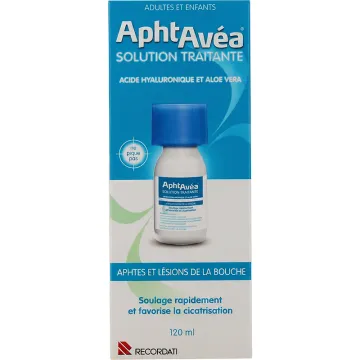
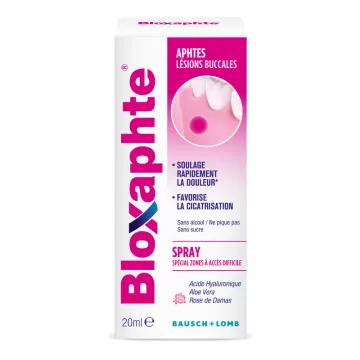
- Aloe vera spray: moisturizing and soothing for irritated mucous membranes — relieves canker sores, areas of friction from dentures, and dry mucous membranes — well-tolerated for daily use — choose a formula free of alcohol and dyes
- Selection criteria: identify your primary need (bad breath, dryness, antiseptic, pain) — check the list of potential allergens (essential oils; propolis may be an allergen if you’re allergic to bee products) — choose alcohol-free formulas (alcohol irritates dry mucous membranes) — travel size (< 100 mL, allowed in airplane carry-on) or for daily use (50–100 mL pump bottle)
- Use in children: Benzocaine-based analgesic sprays are contraindicated for children under 2 years of age — Essential oil-based sprays are not recommended for children under 6 years of age (risk of bronchoconstriction from mint) — Choose formulas containing aloe vera or thermal spring water for children
How can you use a mouth spray effectively and incorporate it into your routine?
The effectiveness of a mouth spray depends largely on the timing and application technique. For an antiseptic or propolis spray: apply after brushing and flossing (the active ingredients act on surfaces already free of plaque—not on organized biofilm) — 1 to 3 sprays depending on the area — do not rinse with water afterward (this washes away the active ingredients) — do not eat or drink for 15 to 30 minutes.
- Saliva-replacement spray: Use 15 minutes before meals (lubricates the mucous membrane to facilitate chewing and swallowing)—apply again at night if your mouth is dry upon waking—apply again after each meal or drink—store at room temperature
- Complementary Use with Oral Care Routine: The spray does not replace toothbrushing orinterdental hygiene —it serves as a targeted supplement for specific areas or needs—a breath-freshening spray does not treat underlying gingivitis or periodontitis
- Duration of use: Antiseptic sprays (chlorhexidine) should be reserved for short courses of treatment (2 to 4 weeks)—natural-based sprays (propolis, aloe vera, diluted essential oils) can be used for daily oral care without any time limit—analgesic sprays are for occasional use only (not for chronic use)—if symptoms persist after 10 days of use, consult a healthcare professional