What is dry mouth, and how does saliva protect the mouth?
Dry mouth (xerostomia) is a sensation of insufficient saliva—either because the salivary glands produce less saliva or because the composition of the saliva changes. Saliva is not just a lubricant: it is the oral cavity’s primary natural defense system. Understanding its roles helps us assess the consequences of xerostomia and take appropriate action.Oral hygiene products tailored for dry mouth and products for cavity prevention are available in the store.
- Physiological roles of saliva: lubrication (facilitates chewing, swallowing, and speech) — acid neutralization (oral pH buffered by salivary bicarbonates—without saliva, the pH rapidly becomes acidic after meals) — enamel remineralization (calcium and phosphate ions in saliva recrystallize demineralized enamel) — antibacterial action (lysozyme, lactoferrin, secretory IgA, histatins — antiviral and antifungal proteins) — mechanical self-cleaning (removes food debris and bacteria)
- Normal saliva production: 1 to 1.5 L of saliva per day produced by 3 pairs of major glands (parotid — submandibular — sublingual) + hundreds of accessory salivary glands — unstimulated saliva flow: 0.3–0.4 mL/min — stimulated flow (chewing): 1–2 mL/min — at night, flow drops to nearly zero → normal and temporary morning dry mouth
- Hyposialia vs. xerostomia: Hyposialia refers to a measurable reduction in salivary flow (< 0.1 mL/min at rest) — xerostomia is the sensation of a dry mouth, which may occur with normal salivary flow (if the composition of the saliva changes) or without subjective symptoms despite reduced flow — the two do not always coincide
- Salivary flow and age: Salivary flow does not physiologically decrease with age in the absence of disease — xerostomia in older adults is almost always iatrogenic (caused by medications) — people over 65 take an average of 4 to 7 medications per day, many of which have anticholinergic or sympatholytic effects on the salivary glands
What are the causes of dry mouth?
- Medications—the leading cause (40% of xerostomia cases): more than 400 medications have a documented antisialogogic effect — the most commonly affected classes: tricyclic antidepressants and SSRIs — antihistamines (for allergies, colds) — cardiovascular medications (diuretics, beta-blockers, calcium channel blockers) — antipsychotics — opioids — antiepileptics — medications for urinary incontinence (anticholinergics) — nasal decongestants — taking multiple anticholinergic medications at the same time amplifies the effect
- Sjögren’s syndrome: an autoimmune disease (T cells attack the exocrine glands—salivary and lacrimal) — primarily affects women over the age of 40 — classic triad: severe xerostomia + xerophthalmia (dry eyes) + chronic fatigue — Sjögren’s dry mouth is persistent, severe, and not relieved by standard saliva substitutes — diagnosis: anti-SSA/SSB antibodies + biopsy of the accessory salivary glands — specialized rheumatology care
- Cervicofacial radiation therapy: the parotid glands within the radiation field are highly radiosensitive — irreversible damage to the secretory acini begins at 30 Gy — severe and permanent xerostomia in 50–80% of patients treated for head and neck cancer — Massive risk of radiation caries (rapidly progressing caries affecting all teeth within a few months) — Intensive fluoridation and preventive dental care prior to the start of radiation therapy
- Other causes: poorly controlled diabetes (polyuria + dehydration + salivary gland polyneuropathy) — dehydration (insufficient fluid intake, intense exercise, diarrhea, vomiting) — chronic mouth breathing (open mouth during sleep — snoring, apnea) — tobacco and alcohol (vasoconstrictive and irritating effects on the mucous membranes)
What are the health consequences of dry mouth?
- Accelerated tooth decay: without saliva’s acid-neutralizing and remineralizing effects, cavities develop at an abnormal rate—radiation-induced cavities (following radiation therapy) affect all tooth surfaces within a few months—in severe xerostomia, cervical caries (at the neck of the teeth) and incisal edge caries appear—areas that are usually protected—see the page on caries prevention
- Oral candidiasis (thrush): Saliva has antifungal properties (histatins)—without saliva, Candida albicans proliferates on the mucosa and dentures—white plaque that can be scraped off the tongue and cheeks—to be treated with topical antifungals (amphotericin B) or systemic antifungals (fluconazole)—see the page on candidiasis
- Bad breath: saliva eliminates anaerobic bacteria that produce VSCs (volatile sulfur compounds) — without saliva, these bacteria proliferate, especially at night — xerostomia = systematic and often severe morning halitosis — see our bad breath page
- Gingivitis and periodontitis: without the anti-inflammatory and antibacterial effects of saliva, bacterial plaque accumulates more rapidly—the gums become inflamed and bleed—the risk of periodontitis is significantly increased in cases of chronic xerostomia
- Functional difficulties: difficulty chewing dry foods (bread, meat)—difficulty swallowing (dysphagia)—speech disorders (dry speech, sticky mouth)—inability to wear removable dentures (saliva acts as the adhesive layer for dentures)
What solutions are available to relieve and treat dry mouth?
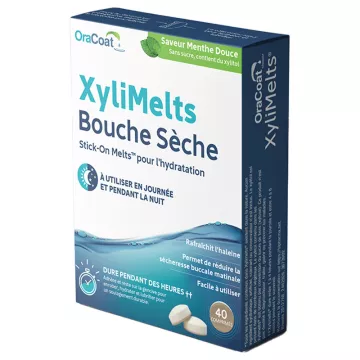
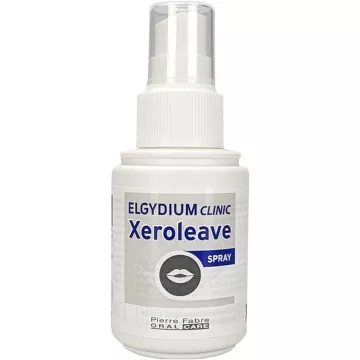
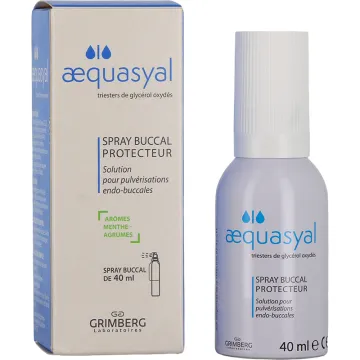
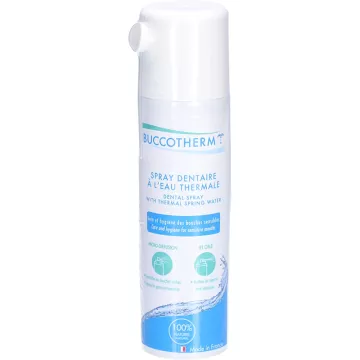
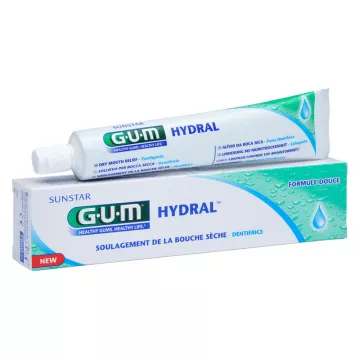
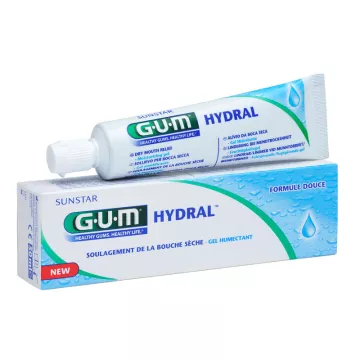
- Saliva substitutes: sprays, gels, mouthwashes, and lozenges containing carboxymethylcellulose, mucin, hyaluronic acid, or xanthan gum gel — provide immediate lubrication and hydration of the mucous membrane — last 1–4 hours — should be used before meals and at night — formulas containing calcium and phosphate also remineralize tooth enamel
- Stimulation of residual saliva: xylitol-containing chewing gum and lozenges (mechanical stimulation + antibacterial + anti-caries) — acupuncture (some studies show an increase in salivary flow in radiation-induced xerostomia) — Prescription salivary stimulants: pilocarpine (Salagen) and cevimeline — reserved for severe cases of xerostomia (Sjögren’s syndrome, post-radiotherapy) — side effects: sweating, nausea, bradycardia
- Lifestyle and dietary measures: drink 1.5–2 L of water per day in small, regular sips — humidify the air in the bedroom (especially in winter, when heating dries out the air) — avoid alcohol, coffee, tobacco, and alcohol-based mouthwashes — avoid dry, salty, or spicy foods — opt for moist textures (sauces, broths, juicy fruits) — breathe through the nose (treat nasal congestion if necessary)
- Complementary natural remedies: aloe vera oral gel (hydrates and soothes the mucous membranes) — rose water (mild astringent + moisturizer) — ginger (stimulates the salivary glands; available as an infusion or herbal tea) — sesame or coconut oil for oil pulling (coats the mucous membranes and lubricates) — calendula vegetable oil for topical application (film-forming effect)
- Enhanced dental monitoring: In cases of chronic xerostomia, dental checkups should be scheduled more frequently (every 3–6 months) — enhanced topical fluoridation (nighttime fluoride trays at 5,000 ppm) — brushing with fluoride toothpaste containing at least 1,450 ppm, 3 times a day — products available in the oral hygiene line