0
Menu
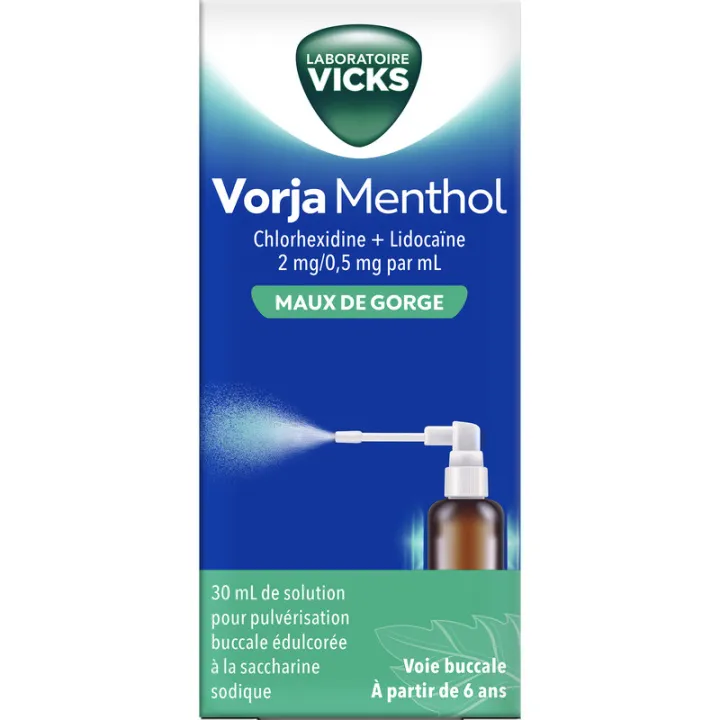
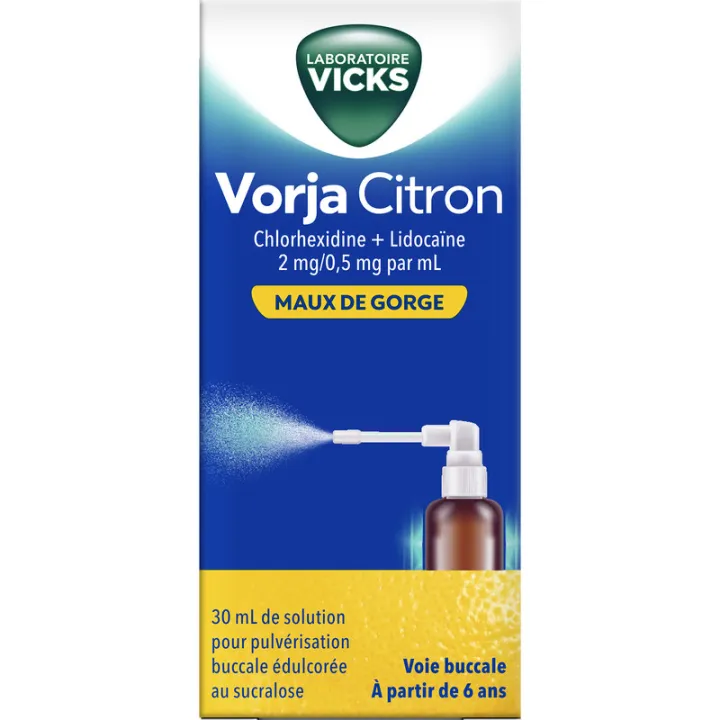
Vorja 2 mg/0.5 mg per mL oral spray, 30 mL, Vicks Vorja 2 mg/0.5 mg per mL oral spray, 30 mL, Vicks
Over-the-counter medication

Vorja 2 mg/0.5 mg per mL oral spray, 30 mL, Vicks

Brand : Vicks Vicks

Vorja Vicks Mouth Spray combines chlorhexidine and lidocaine to relieve sore throats in children ages 6 and older. This medication should be used for no more than 3 days. 30-mL bottle containing 2 mg/0.5 mg per mL.

€6.44 EXCL. VAT €7.09 INCL. VAT
This product is an over-the-counter medication. Please consult the package insert before ordering online.
In stock Shipped within 24h Secure payment
Reference : 3400930316122
You must be logged in to add this product to a list. Customer login
See delivery conditions

Our doctors of pharmacy advise you

Vicks Inhaler Inhalation Pad, 1 ml Vicks Inhaler Inhalation Pad, 1 ml
€3.95
Add to cart
Shipped within 24h
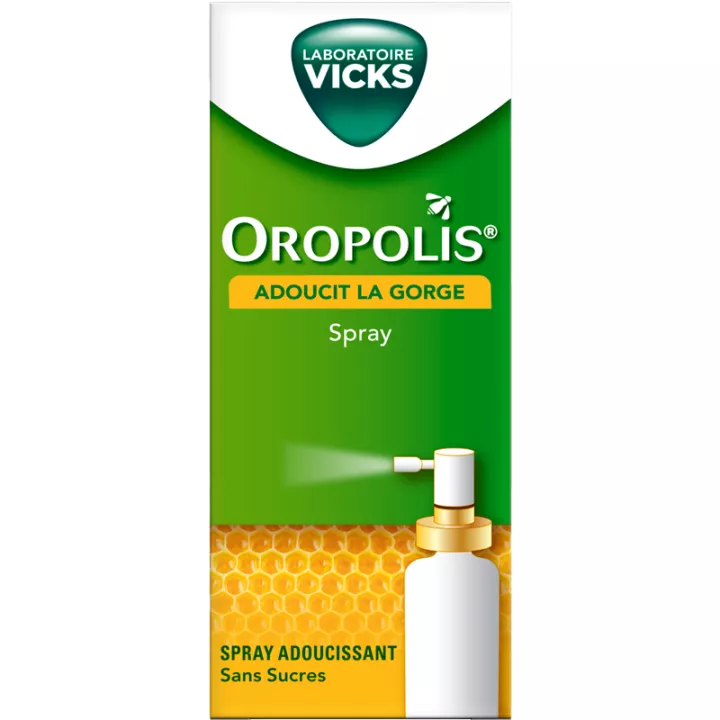
Vicks Oropolis Propolis Throat Spray 20 ml Vicks Oropolis Propolis Throat Spray 20 ml
€8.29
Shipped within 24h
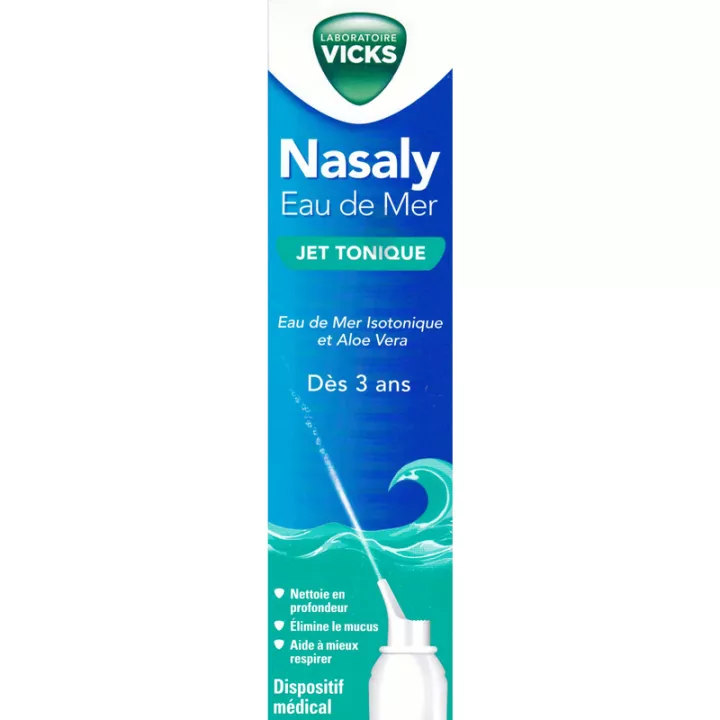
Vicks Nasaly Sea Water Refreshing Spray 120 ml Vicks Nasaly Sea Water Refreshing Spray 120 ml
€6.19
shipped in 5-7 business days
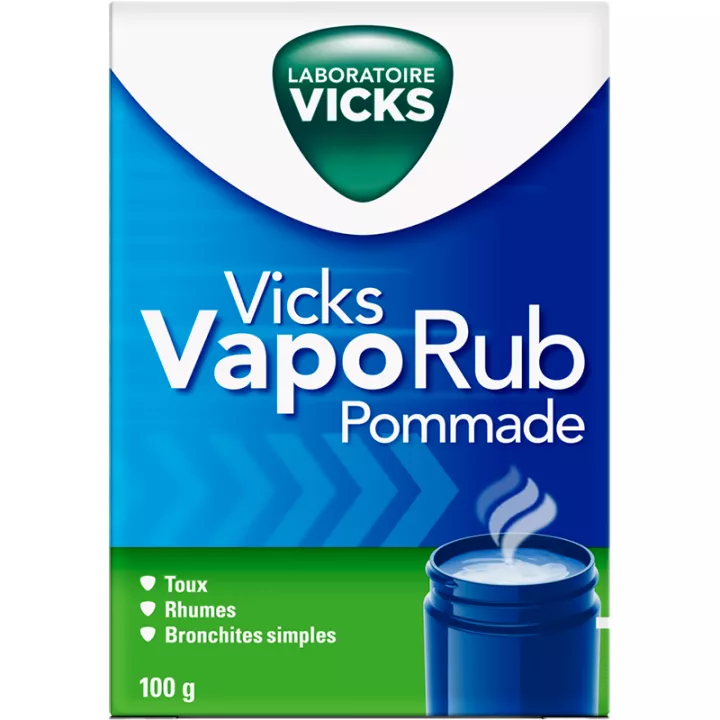
Vicks VapoRub Ointment, 100g Jar, Family Size Vicks VapoRub Ointment, 100g Jar, Family Size
€11.49
Add to cart
Ships in 5-7 business days

For warnings, precautions, and contraindications, please refer to the package insert.

What is Vorja oral spray used for?

Vorja Oral Spray is a medication intended for the symptomatic treatment of sore throats in adults and children 6 years of age and older. It combines chlorhexidine and lidocaine for topical application in the mouth, directed toward the throat.

If you have a sore throat accompanied by a stuffy nose, you can supplement your treatment with Vicks VapoRub Cold Inhalation Jar 50 g, which can be used for inhalation by individuals 12 years of age and older to help clear the airways, in accordance with the package insert.

Why is it important to wait a certain amount of time before eating or brushing your teeth?

Chlorhexidine is an antiseptic; lidocaine is a local anesthetic that relieves pain. The numbing effect explains the precautions regarding meals: wait at least 30 minutes before eating or drinking after application, and do not use during a meal.

Also, wait at least 30 minutes between brushing your teeth and using the spray: certain ingredients in toothpaste are incompatible with chlorhexidine. Each bottle should be used by only one person.

How should the spray be dosed and applied?

  • Adults and adolescents over 12 years of age: 3 to 5 consecutive sprays, 6 to 10 times a day; maximum of 5 per dose and 50 per day.
  • Children ages 6 through 12: 2 to 3 consecutive sprays, 3 to 5 times a day; maximum of 3 per dose and 15 per day, with at least 4 hours between doses.

Open your mouth, aim the nozzle toward the back of your throat, and hold your breath while spraying. Do not use for more than 3 days.

What are the precautions for use?

  • Do not use in children under 6 years of age, or in cases of allergy to chlorhexidine, lidocaine, amide-type local anesthetics, or any excipient.
  • Seek medical advice if you have heart or liver disease, damaged mucous membranes, or are currently taking medications, particularly antiarrhythmics, antiepileptics, or beta-blockers.
  • During pregnancy or while breastfeeding, use may be considered if necessary after consulting a healthcare professional.

This spray is also contraindicated in cases of alcohol dependence. It contains 28 mg of ethanol per spray. Avoid contact with the eyes and ears; if the product comes into contact with the eyes, rinse with water for at least 15 minutes, keeping the eyelids open.

Stop using the medication and seek emergency medical help if you experience swelling of the face or throat, difficulty breathing, or a severe allergic reaction. Changes in taste or discoloration of the teeth and tongue may occur. Consult a healthcare professional if you have a high fever, if symptoms worsen, or if there is no improvement after 3 days.

Read the package insert and keep out of reach of children.

Composition of the oral solution

The active ingredient is:
chlorhexidine digluconate ............................................. 2 mg
lidocaine hydrochloride monohydrate ............................... 0.5 mg
Per 1 mL of oral spray solution.

Equivalent to:
chlorhexidine ........................................................................ 1.15 mg
lidocaine ............................................................................... 0.41 mg
Per 1 mL of solution.

Each 85-microliter spray contains:
chlorhexidine digluconate ............................................. 0.17 mg
lidocaine hydrochloride monohydrate ............................... 0.04 mg

  • Menthol: The other ingredients are: levomenthol, cineole, glycerol (E422), sodium saccharin (E954), citric acid monohydrate (E330), 96% ethanol, purified water. Excipients with known effects: ethanol, sodium.
  • Lemon: The other ingredients are: lemon flavoring, glycerol (E422), propylene glycol (E1520), sucralose (E955), citric acid monohydrate (E330), 96% ethanol, purified water. Excipients with known effects: ethanol, propylene glycol.

Packaging and Storage

30-ml bottle of oral spray solution. Store at a temperature not exceeding 25 °C and use within 3 months after first opening.

Pharmacovigilance Report an adverse drug reaction(s)

Download PDF leaflet

NOTICE

ANSM - Updated on: August 18, 2025

Drug Name

VORJA MENTHOL 2 mg/0.5 mg per mL, saccharin-sodium-sweetened oral spray solution

Chlorhexidine digluconate/Lidocaine hydrochloride monohydrate

Box

Please read this package insert carefully before taking this medication, as it contains important information for you.

You should always take this medicine exactly as described in this leaflet or as directed by your doctor or pharmacist.

· Keep this package insert. You may need to read it again.

· Ask your pharmacist for advice or information.

· If you experience any side effects, tell your doctor or pharmacist. This also applies to any side effects not listed in this leaflet. See Section 4.

· You should contact your doctor if you do not feel any improvement or if you feel worse after 3 days.

What is in this package insert?

1. What is VORJA MENTHOL 2 mg/0.5 mg per mL, oral spray solution sweetened with sodium saccharin, and what is it used for?

2. What should you know before using VORJA MENTHOL 2 mg/0.5 mg per mL, oral spray solution sweetened with sodium saccharin?

3. How should you use VORJA MENTHOL 2 mg/0.5 mg per mL, a sodium saccharin-sweetened oral spray solution?

4. What are the possible side effects?

5. How should you store VORJA MENTHOL 2 mg/0.5 mg per mL, a sodium saccharin-sweetened oral spray solution?

6. Package contents and other information.

1. WHAT IS VORJA MENTHOL 2 mg/0.5 mg per mL, sodium saccharin-sweetened oral spray solution, AND WHAT IS IT USED FOR?

Pharmacotherapeutic class: Throat preparations, antiseptics (in combination with anesthetics) ATC code: R02AA05

VORJA MENTHOL 2 mg/0.5 mg per mL, saccharin sodium-sweetened oral spray solution contains the active ingredients chlorhexidine digluconate and lidocaine hydrochloride monohydrate. This is a throat preparation that combines an antiseptic (which kills microorganisms) and an anesthetic (which relieves pain).

VORJA MENTHOL 2 mg/0.5 mg per mL, a sodium saccharin-sweetened oral spray solution, is used in adults, adolescents, and children over 6 years of age to treat the symptoms of a sore throat.

You should consult your doctor if you do not feel any improvement or if you feel worse after 3 days.

2. WHAT INFORMATION SHOULD YOU KNOW BEFORE USING VORJA MENTHOL 2 mg/0.5 mg per mL, oral spray solution sweetened with sodium saccharin?

Never use VORJA MENTHOL 2 mg/0.5 mg per mL, sodium saccharin-sweetened oral spray solution:

· If you are allergic to chlorhexidine, lidocaine, other anesthetics similar to lidocaine, or any other ingredient in this medication (listed in Section 6).

· In children under 6 years of age.

· If you are dependent on alcohol.

Warnings and Precautions

Consult your doctor or pharmacist before taking VORJA MENTHOL 2 mg/0.5 mg per mL, saccharin-sweetened oral spray solution.

· If you have congestive heart failure,

· If your liver is not functioning properly,

· If you are taking medications to treat heart rhythm disorders (antiarrhythmics),

· If you have ever had severe allergic reactions.

Tell your doctor or pharmacist if your condition does not improve within 3 days of treatment while using VORJA MENTHOL 2 mg/0.5 mg per mL, saccharin-sweetened oral spray solution, or if you have a high fever.

Be careful not to spray the solution near your eyes, into your eyes, or into your ears. If the solution comes into contact with your eyes, you must rinse them with plain water for at least 15 minutes while keeping your eyelid open.

VORJA MENTHOL 2 mg/0.5 mg per mL, oral spray solution sweetened with sodium saccharin, should not be used within 30 minutes before or during a meal or while drinking due to the risk of choking and localized burns caused by food orhot beverages due to numbness of the throat and tongue.

This medication is not compatible with certain substances commonly found in toothpaste. For this reason, you must wait at least half an hour after brushing your teeth before taking this medication.

This medication should be used with caution in patients with damaged throat mucosa.

Children

Do not use VORJA MENTHOL 2 mg/0.5 mg per mL, saccharin sodium-sweetened oral spray solution in children under 6 years of age.

Other Medications and VORJA MENTHOL 2 mg/0.5 mg per mL, Oral Spray Solution Sweetened with Sodium Saccharin

Tell your doctor or pharmacist if you are taking, have recently taken, or might take any other medications.

VORJA MENTHOL 2 mg/0.5 mg per mL, sodium saccharin-sweetened oral spray solution contains lidocaine; be sure to inform them, especially if you are taking:

· neuromuscular blockers (used, for example, during anesthesia),

· neuromuscular blockers (used, for example, during anesthesia),

· a medication to treat sudden and severe allergic reactions (epinephrine),

· strong pain relievers (opioids),

· beta-blockers (used to treat high blood pressure and certain heart conditions),

· cimetidine (a medication that reduces stomach acid, used, for example, to treat heartburn),

· mexiletine and other antiarrhythmic medications.

VORJA MENTHOL 2 mg/0.5 mg per mL, oral spray solution sweetened with sodium saccharin—with food, beverages, and alcohol

Not applicable.

Pregnancy and Breastfeeding

If you are pregnant or breastfeeding, if you think you might be pregnant, or if you are planning to become pregnant, consult your doctor or pharmacist before taking this medication.

The use of VORJA MENTHOL 2 mg/0.5 mg per mL, oral spray solution sweetened with sodium saccharin, may be considered during pregnancy or breastfeeding if necessary.

Driving and Operating Machinery

This medication has no or negligible effect on the ability to drive or operate machinery.

VORJA MENTHOL 2 mg/0.5 mg per mL, oral spray solution sweetened with sodium saccharin, contains alcohol and sodium

This medication contains 140 mg of alcohol (ethanol) in each dose of 5 sprays (adolescents > 12 years and adults) or 84 mg of alcohol (ethanol) in each dose of 3 sprays (children aged 6 to 12 years). The amount in a single dose of this medication is equivalent (for adolescents > 12 years of age and adults) to less than 3.6 mL of beer, or 1.4 mL of wine, or (for children ≥ 6 years of age and ≤ 12 years of age), less than 1.4 mL of beer or 0.9 mL of wine. The small amount of alcohol in this medication is not likely to cause any noticeable effects.

This medication contains less than 1 mmol of sodium (23 mg) per dose, meaning it is essentially “sodium-free.”

3. HOW TO USE VORJA MENTHOL 2 mg/0.5 mg per mL, saccharin-sweetened oral spray solution?

Always use this medication exactly as described in this leaflet or as directed by your doctor or pharmacist. Check with your doctor or pharmacist if you have any questions.

Adults and adolescents over 12 years of age

The recommended dose is 3 to 5 consecutive sprays, 6 to 10 times a day.

The maximum dose per administration is 5 sprays.

The maximum daily dose is 50 sprays.

Children 6 to 12 years of age

The recommended dose is 2 to 3 consecutive sprays, 3 to 5 times a day.

The maximum dose per use is 3 sprays.

The maximum daily dose is 15 sprays.

Do not take two doses less than 4 hours apart.

Children under 6 years of age

Do not give this medication to children under 6 years of age.

Route of administration

For oral use.

VORJA MENTHOL 2 mg/0.5 mg per mL, a saccharin-sodium-sweetened oral spray solution, should not be used within 30 minutes before or during a meal or while drinking a beverage due to the risk of choking and localized burns caused by food orhot beverages, due to numbness of the throat and tongue.

This medication is not compatible with certain substances commonly found in toothpastes. You must therefore wait at least half an hour after brushing your teeth before using this medication.

One bottle is for use by a single patient only.

image001.pngimage002.png

1. Rotate the spray nozzle before use so that it is perpendicular to the bottle.

2. Open your mouth wide, aim the spray nozzle toward the back of your throat, and press the tip. Hold your breath while spraying.

When using the spray for the first time, you must prime the pump until only liquid is dispensed (usually 6 to 7 times). This may also be necessary if the product has not been used for a while.

If you do not use this medication for a while, it is recommended that you clean the spray after the last use, following the procedure below:

· Hold the spray bottle upside down and press the spray tip until no more liquid comes out (the solution no longer flows from the spray nozzle).

· Remove the sprayer from the spray pump and place it in a bath of hot water for a few minutes.

· Remove the spray nozzle from the water and let it dry.

· Replace the spray nozzle on the spray pump by turning it downward so that it locks onto the spray pump.

Duration of Treatment

Do not use VORJA MENTHOL 2 mg/0.5 mg per mL, saccharin-sweetened oral spray solution for more than three consecutive days.

Consult a doctor if you do not feel better or if your condition worsens while using VORJA MENTHOL 2 mg/0.5 mg per mL, sodium saccharin-sweetened oral spray solution, or if you have a high fever.

If you have taken more VORJA MENTHOL 2 mg/0.5 mg per mL, sodium saccharin-sweetened oral spray solution than you should have

Overdoses (more than one bottle per day) may cause difficulty swallowing (reduced swallowing reflex).

Other symptoms of chlorhexidine overdose may include: swelling of the airways, vomiting, intense joy (euphoria), blurred vision, and loss of taste (which may last several hours), esophageal, gastric, and/or duodenal ulcers, and elevated liver enzyme levels (which can only be determined by a blood test).

Other symptoms of lidocaine overdose may include: headache, paranoia, hallucinations, dizziness, lightheadedness, drowsiness, agitation, ringing in the ears, unpleasant sensations on the skin (e.g., cramps, tingling), speech or hearing difficulties, a metallic taste, numbness around the mouth, acidosis (with symptoms such as rapid breathing, confusion, and fatigue), blurred vision, involuntary rhythmic eye movements, muscle contractions, psychosis, spasms, respiratory arrest, epileptic coma, decreased level of consciousness, sudden drop in blood pressure, slow heart rate, heart rhythm disturbances, and cardiac arrest.

If you (or your child) experience any of these symptoms, contact your doctor or pharmacist immediately.

If you forget to take VORJA MENTHOL 2 mg/0.5 mg per mL, saccharin sodium-sweetened oral spray solution

Not applicable.

If you stop taking VORJA MENTHOL 2 mg/0.5 mg per mL, sodium saccharin-sweetened oral spray solution

Not applicable.

If you have any other questions about the use of this medication, ask your doctor or pharmacist for more information.

4. WHAT ARE THE POSSIBLE SIDE EFFECTS?

Like all medicines, this medicine can cause side effects, though not everyone gets them.

If you experience any of the following symptoms, stop taking this medication and contact your doctor immediately or go to the emergency room at the nearest hospital:

· Severe allergic reactions (rare, affecting up to 1 in 1,000 people), identified, for example, by:

o Swelling of the arms, legs, ankles, face, or eyes.

o Swelling of the lips, mouth, tongue, or throat, which may cause difficulty swallowing or breathing.

o Dizziness or fainting (loss of consciousness).

· Itchy rashes spreading over the body (hives) (Very rare, affecting up to 1 in 10,000 people).

Other possible side effects

Common (may affect up to 1 in 10 people)

· Nausea, vomiting, abdominal pain.

· Allergic skin reactions.

Rare (may affect up to 1 in 1,000 people)

· Localized itchy rash following contact with the medication.

Frequency unknown (frequency cannot be estimated based on available data)

· Weakness, loss of energy, and changes in blood accompanied by symptoms such as headache, dizziness, fatigue, difficulty breathing, and bluish skin (methemoglobinemia).

· Hypersensitivity to sunlight (delayed) or other reactions affecting the skin or teeth.

· Anxiety, agitation, or intense joy (euphoria).

· Drowsiness, dizziness, disorientation, confusion (including slurred speech), lightheadedness, tremors, psychosis, nervousness, tingling, numbness, spasms, loss of consciousness, coma.

· Vision problems (blurred or double vision).

· Ringing in the ears (tinnitus).

· Asthma, difficulty breathing (dyspnea), rapid and shallow breathing progressing to dizziness and blue skin , sudden inability to breathe (respiratory failure ).

· Difficulty swallowing, ulcers, or rashes in the mouth.

· Peeling of the skin inside the mouth, swelling of the salivary glands.

· Muscle contractions or twitching (tremors).

· General weakness and lack of energy (asthenia) ; temporary changes in taste or a burning sensation on the tongue; a feeling of cold or heat in the mouth.

Reporting Side Effects

If you experience any side effects, talk to your doctor or pharmacist. This also applies to any side effects not listed in this package insert. You can also report side effects directly through the national reporting system: National Agency for Medicines and Health Products Safety (ANSM) and the network of Regional Pharmacovigilance Centers—Website: https://signalement.social-sante.gouv.fr/

By reporting side effects, you help provide more information on the safety of this medication.

5. HOW SHOULD VORJA MENTHOL 2 mg/0.5 mg per mL, saccharin sodium-sweetened oral spray solution, BE STORED?

Keep this medication out of the sight and reach of children.

Do not use this medication after the expiration date printed on the bottle/box after “EXP.” The expiration date refers to the last day of that month.

Store at a temperature not exceeding 25 °C.

The shelf life after first opening is 3 months.

Do not dispose of any medication down the drain or with household trash . Ask your pharmacist to dispose of medications you no longer use. These measures will help protect the environment.

6. PACKAGE CONTENTS AND OTHER INFORMATION

What VORJA MENTHOL 2 mg/0.5 mg per mL, saccharin sodium-sweetened oral spray solution contains

· The active ingredients are chlorhexidine digluconate and lidocaine hydrochloride monohydrate.

Each mL of solution contains 2 mg of chlorhexidine digluconate (equivalent to 1.15 mg of chlorhexidine) and 0.5 mg of lidocaine hydrochloride monohydrate (equivalent to 0.41 mg of lidocaine).

Each spray (85 microliters) contains 0.17 mg of chlorhexidine digluconate and 0.04 mg of lidocaine hydrochloride monohydrate.

· The other ingredients are: levomenthol, cineole, glycerol (E422), sodium saccharin (E954), citric acid monohydrate (E330), ethanol (96%), purified water.

What is VORJA MENTHOL 2 mg/0.5 mg per mL, oral spray solution sweetened with sodium saccharin, and contents of the outer packaging

VORJA MENTHOL 2 mg/0.5 mg per mL, sodium saccharin-sweetened oral spray solution is a clear, colorless solution.

It is available in a 30-mL brown glass bottle with a spray pump made of polypropylene, polyethylene, polyoxyethylene, and stainless steel. Each box contains one bottle.

Marketing Authorization Holder

Vicks Laboratories

163–165 Quai Aulagnier

92600 Asnière-sur-Seine

France

Marketing Authorization Holder

P&G Health France

18C, Boulevard Winston Churchill

21000 DIJON

France

Manufacturer

Laboratoria Qualiphar

Rijksweg 9

2880 Bornem

Belgium

Trade names of the drug in the Member States of the European Economic Area

This medicine is authorized in the Member States of the European Economic Area under the following names: In accordance with applicable regulations.

[To be completed later by the marketing authorization holder]

The date this package insert was last revised is:

[To be completed later by the marketing authorization holder]

< {MM/YYYY}>< {month YYYY}.>

Other

Detailed information about this medication is available on the ANSM (France) website.

VIDAL OF THE FAMILY

VORJA oral solution

Information revised on July 3, 2026
Drug class: Antiseptic and analgesic mouthwash

Indications

This mouthwash contains an antiseptic (chlorhexidine), which has an antibacterial effect, and a local anesthetic (lidocaine), which has an analgesic effect.

It is used to treat mild sore throats.

Forms

VORJA Lemon: oral spray solution; 30-ml bottle
Prescription optional - Not covered by insurance - Price not regulated
VORJA Menthol: oral spray solution; 30-ml bottle
Prescription optional - Not covered by insurance - Price not regulated

The prices listed do not include the pharmacist’s “dispensing fee.”

Ingredients

  p ml per mL
Chlorhexidine gluconate 2 mg 2 mg
Lidocaine hydrochloride 0.5 mg 0.5 mg
Alcohol + +
Propylene glycol +  

Contraindications

This medication should not be used in the following cases:

  • allergy to local anesthetics,
  • children under 6 years of age.

Warning

If you have a fever, difficulty swallowing, or symptoms that persist after 3 days, consult your doctor. You may also return to your pharmacist to take a rapid diagnostic test (RDT). If the test is positive, the pharmacist will dispense a course of antibiotics directly to you.

Prolonged use of local antiseptic treatments (gargles, mouthwashes, lozenges) is not recommended; it can alter the natural microbial balance of the throat.

Excessive use could cause the local anesthetic to enter the bloodstream and lead to neurological and cardiac problems: follow the recommended dosage.

Drug Interactions

It is generally unnecessary to combine different antiseptics. These may be found in many over-the-counter products, such as lozenges, mouthwashes, and nasal sprays; ask your pharmacist for advice.

Fertility, Pregnancy, and Breastfeeding

The effects of this medication during pregnancy or breastfeeding are not well understood. The potential risk associated with its use must be assessed on a case-by-case basis: consult your pharmacist or doctor.

Directions for Use and Dosage

Sprays should be spaced at least 4 hours apart.

Usual dosage:

  • Adults and adolescents over 12 years of age: 3 to 5 sprays, 6 to 10 times a day.
  • Children 6 to 12 years of age: 2 to 3 sprays, 3 to 5 times a day.

Tips

Avoid using this medication before meals: the local anesthetic may cause difficulty swallowing, which could lead to food entering the airways.

It is recommended to wait at least 30 minutes after brushing your teeth before using this mouthwash: there is a risk of incompatibility between chlorhexidine and certain ingredients in toothpaste.

Possible Side Effects

Common: nausea, vomiting, abdominal pain, skin allergy.

Rare: severe allergic reaction.

Frequency unknown: temporary numbness or a temporary burning sensation on the tongue, a sensation of heat or cold in the mouth, decreased sense of taste or smell, difficulty swallowing, mouth ulcers, peeling of the oral mucosa, swelling of the salivary glands, nervousness, anxiety, agitation, euphoria, drowsiness, dizziness, disorientation, confusion, vertigo, tingling, seizures, vision problems, ringing in the ears, asthma, difficulty breathing.

GLOSSARY

alcohol

A general term referring to a family of substances that can be mixed with both water and fats. The most common alcohol is ethyl alcohol (ethanol), but there are many other alcohols: methanol, butanol, etc. The proof of an alcoholic solution corresponds to the volume of pure alcohol present in 100 ml of the solution, bearing in mind that 1 wine glass or half a glass of beer (25 cl) contains approximately 8 g of alcohol.

When alcohol is used as an antiseptic, a denaturant with an unpleasant odor is often added to prevent it from being drunk. Contrary to popular belief, 70° alcohol (or even 60° alcohol) is a better antiseptic than 90° alcohol.

See the article: Alcohol Dependence

allergy

A skin reaction (itching, hives, swelling) or general discomfort that occurs after contact with a specific substance, the use of a medication, or the ingestion of a food. The main forms of allergy are eczema, hives, asthma, angioedema, and allergic shock (anaphylactic shock). Food allergies can also cause digestive problems.

anesthetic

A medication that induces anesthesia. In addition to general anesthetics, which are used to put patients to sleep before surgery, there are local anesthetics, which can be injected near a nerve to numb a specific area of the body. Local anesthetics are also called contact anesthetics.

analgesic

A medication that relieves pain. Analgesics act either directly on the pain centers in the brain or by blocking the transmission of pain signals to the brain.

Synonym: analgesic.

antibiotic

A substance capable of inhibiting the growth of certain bacteria or killing them. The spectrum of an antibiotic refers to the range of bacteria against which the drug is typically effective. Unlike bacteria, viruses are not susceptible to antibiotics. The first antibiotics were extracted from fungal cultures: Penicillium (penicillin), Streptomyces (streptomycin). They are currently produced through chemical synthesis. Antibiotics are divided into families: penicillins, cephalosporins, macrolides, tetracyclines (cyclines), sulfonamides, aminoglycosides, lincosamides, phenicols, polymyxins, quinolones, imidazoles, etc.

Inappropriate use of antibiotics can promote the development of resistance: use antibiotics only as prescribed by a doctor, follow the prescribed dosage and duration of treatment, and do not give or recommend to anyone else an antibiotic that has been prescribed for you.

See the article: Families of Antibiotics

antiseptic

A substance that locally destroys bacteria, reducing their numbers and preventing their proliferation. Some antiseptics are also effective against microscopic fungi and viruses.

asthma

A condition characterized by difficulty breathing, often accompanied by wheezing. Asthma, whether chronic or episodic, is caused by narrowing and inflammation of the airways.

See the article: Asthma

mouthwash

A medication that acts by contact on the back of the throat and the inner walls of the mouth. It is administered by spraying or swabbing.

confusion

A person experiencing confusion suffers from disorientation, anxiety, and memory problems. Confusion may be caused by a neurological disorder, an infection, or poisoning (for example, from a medication).

convulsions

Involuntary muscle contractions limited to a few muscles or affecting the entire body. They result from distress or excessive stimulation of the brain, such as fever, poisoning, lack of oxygen, or brain injury. Seizures may be caused by an epileptic seizure or a high fever in young children.

toothpaste

A paste, powder, gel, or liquid used to clean the teeth. Therapeutic toothpastes contain substances that enhance the effectiveness of brushing, protect the enamel or gums, dissolve tartar, etc.

desquamation

The detachment and shedding of the superficial layers of the skin or mucous membranes; for example, skin peeling after a sunburn.

frequency not specified

The frequency of an adverse reaction is described in official documents as follows:

  • Very common: observed in more than 1 in 10 patients
  • Common: occurs in fewer than 1 in 10 patients but more than 1 in 100 patients
  • Uncommon: occurs in fewer than 1 in 100 patients but more than 1 in 1,000 patients
  • Rare: occurs in fewer than 1 in 1,000 patients but more than 1 in 10,000
  • Very rare: occurs in fewer than 1 in 10,000 patients
  • Frequency unknown: an adverse reaction that is too rare to determine its frequency, or that involves a very old medication for which no studies are available to quantify its incidence.

The current trend in official documents is to report all bothersome symptoms observed—even exceptionally—in people who have used the drug. Some of these conditions are actually attributable to the drug, while others may occur during treatment purely by coincidence, even though the drug is likely not responsible.

In the interest of completeness, we have chosen to list all the symptoms enumerated in official documents, although we are aware of the risk of causing sometimes unwarranted concern. Providing accurate information to the public remains, however, our top priority. Please be aware that these symptoms are not necessarily caused by the medication.

gene

A segment of DNA (chromosomes) responsible for an inherited trait. A gene is the smallest unit of genetic information. A distinction is made between structural genes (responsible for the formation of proteins that make up the body or control its functioning) and regulatory genes, which modulate the activity of structural genes.

mucosa

Tissue (membrane) that lines the body’s cavities and passages that communicate with the outside (digestive tract, respiratory system, urinary tract, etc.).

dosage

The amount and distribution of a medication dose based on the patient’s age, weight, and overall health.

allergic reaction

A reaction caused by the body’s hypersensitivity to a medication. Allergic reactions can take many different forms: hives, angioedema, eczema, a rash resembling measles, etc. Anaphylactic shock is a generalized allergic reaction that causes discomfort due to a sudden drop in blood pressure.

See the article: Can You Be Allergic to Medications?

symptom

A condition experienced by a person with a disease. The same symptom can indicate different diseases, and the same disease does not necessarily produce the same symptoms in all patients.

ulcer

A deep lesion in the skin, mucous membranes, or cornea.

  • Leg ulcer: a chronic wound caused by poor blood circulation.
  • Gastroduodenal ulcer: a localized sore on the lining of the stomach or duodenum, caused by excess stomach acid and very often by the presence of a bacterium (Helicobacter pylori). Ulcers are exacerbated by stress, alcohol, smoking, and the use of certain medications (aspirin, NSAIDs, etc.).
vertigo

A symptom that can refer to a sensation of loss of balance (common usage) or, more strictly, a sensation of spinning or of the surroundings spinning (medical usage).

See the article: Vertigo.

Route
  • A route (route of administration) used to administer medications: oral, sublingual, subcutaneous, intramuscular, intravenous, intradermal, transdermal.
  • A system of hollow organs through which air (respiratory tract), food (digestive tract), urine (urinary tract), bile (biliary tract), etc., pass.

Advice from our naturopaths

Strengthen your immune defenses thanks to Phytotherapy Strengthen your immune defenses thanks to Phytotherapy

The cold and the microbes of winter put your immune system to the test. Colds, sore throats, nasopharyngitis, flu... there are many ailments that the body has to contend with. To boost your immune defences, your pharmacy can advise you on the best use of natural medicines. Phytotherapy (health through plants) has specific applications that can improve your day-to-day health,…

Read the article on the blog
How to relieve a sore throat? How to relieve a sore throat?

The sore throat is sore autumn and winter currents and often benign. However, it is important to analyze the symptoms in order to properly identify its nature in order to find the appropriate treatment. How do you define a sore throat? A sore throat is posterior pharyngeal pain that may or may not occur during swallowing. The pain may be more or less severe, sometimes causing…

Read the article on the blog
Preventing tonsillitis: our hygiene tips and natural remedies Preventing tonsillitis: our hygiene tips and natural remedies

Once the sore throat has cleared up, the main challenge is to prevent it from returning. Effective prevention of tonsillitis rests on two pillars: strict hygiene measures to limit transmission and active support for the immune system. Room temperature, air humidification and dietary supplements: find out how to protect your throat in the long term. How can you prevent the…

Read the article on the blog
Natural Health Advice