What are the vocal cords, and how do they produce the voice?
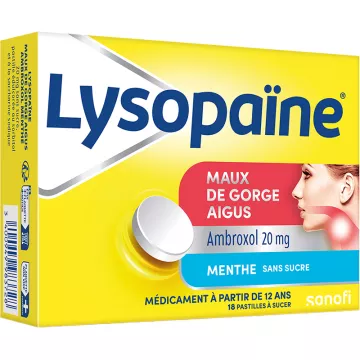
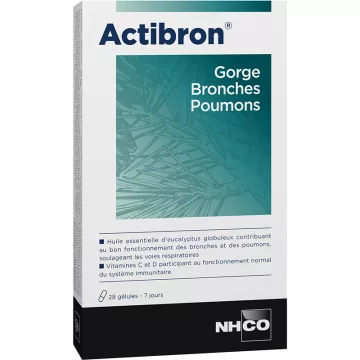
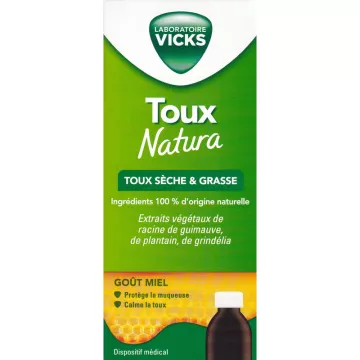
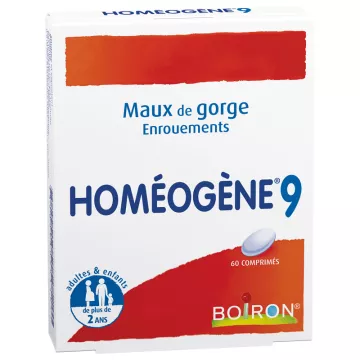
The vocal cords (vocal folds) are two bands of musculo-membranous tissue located in the larynx (voice box), at the junction of the respiratory and digestive tracts. They are the instrument of phonation—their vibration, caused by the flow of exhaled air, produces sound, which is then modulated by the resonators (pharynx, oral cavity, nasal cavities). Throat and voice care products are available in the sore throat and ENT sections of the store.
- Mechanism of phonation: during breathing, the vocal cords are pulled apart (abduction)—during speech or singing, the muscles of the larynx bring them together (adduction)—the subglottic airflow causes them to vibrate (Bernoulli effect)—the vibration frequency (pitch) is modulated by muscle tension: 100–150 Hz (low voice) to 200–300 Hz (high voice)
- Anatomical features: the vocal cords are covered by stratified squamous epithelium and a layer of vibratile connective tissue (Reinke’s space) — this space is particularly sensitive to irritants, edema, and nodular lesions
What conditions affect the vocal cords, and how can they be recognized?
- Laryngitis: inflammation of the vocal cords — viral (common cold, flu — recovery in 1 to 2 weeks) or due to vocal overexertion — hoarse, raspy, or muffled voice, mild laryngeal pain—treatment: complete vocal rest, humidified air, honey, and warm herbal teas; avoid whispering (which is just as harmful to the vocal cords as speaking loudly)
- Vocal nodules: symmetrical bilateral growths on the free edge of the vocal cords—caused by chronic vocal abuse (teachers, singers, loud children)—persistent hoarseness, loss of high-pitched range — first-line treatment: speech therapy (vocal therapy) — surgery as a last resort
- Vocal polyps: unilateral lesion, often following acute vocal trauma (intense shouting)—unilateral hoarseness—treatment: phonosurgery if functional impairment is present
- Signs requiring an ENT consultation: dysphonia (altered voice) lasting > 3 weeks — persistent laryngeal pain — difficulty swallowing — any vocal change in a smoker aged ≥ 40 (laryngeal cancer screening)
How can you protect your vocal cords on a daily basis?
- Hydration: 1.5 to 2 L of water or lukewarm herbal teas per day — systemic hydration maintains lubrication of the laryngeal mucosa — avoid alcohol, excessive coffee, and very cold beverages (which dry out or constrict the larynx) — see throat soothers
- Vocal hygiene: vocal warm-up before prolonged speaking — take regular vocal breaks (5 minutes of silence for every 45 minutes of use) — avoid deliberately coughing to clear your throat (this damages the vocal folds) — instead, swallow or take a sip of water
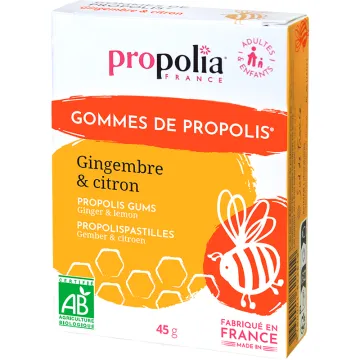
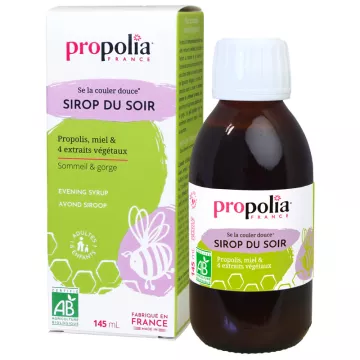
- Protective diet: Avoid very spicy foods, alcohol, and saturated fats (which promote gastroesophageal reflux—the main cause of non-infectious laryngitis)— ginger and licorice (anti-inflammatory for the laryngeal mucous membranes) — propolis as a preventive winter treatment (supports immune function in the mucous membranes)
- Quit smoking: Smoke irritates and thickens the epithelium of the vocal cords (Reinke’s edema in smokers) — increases the risk of nodules, polyps, and laryngeal cancer — Tabac Info Service: 3989 — Quitting improves vocal quality in the weeks that follow
- Immune system support: prevention of viral infections (colds, flu), which are the leading cause of acute laryngitis — flu vaccination — early treatment of sore throats to limit spread to the larynx