What is a sore throat, and how can you identify its cause?
A sore throat is pain or irritation of the throat lining that manifests as a burning, tingling, or scratchy sensation, difficulty swallowing, and sometimes swollen neck lymph nodes and a hoarse voice. It can be caused by an infection (viral or bacterial) or by non-infectious factors (irritants, acid reflux, allergies). Identifying the cause directly guides treatment—antibiotics are effective only against bacteria and are useless against viruses. Natural throat remedies are available in the store’s sore throat and throat-soothing product lines.
- Viral sore throat (70–80% of cases): common cold, flu, rhinovirus — associated symptoms: cough, runny nose, sneezing, mild fever or no fever — gradual onset — symptomatic treatment only — duration 5 to 7 days
- Bacterial sore throat (Group A streptococcus—20–30%): pharyngitis or strep throat—high fever (39–40 °C), bright red throat, tonsils with exudate (white patches), tender anterior cervical lymph nodes, no cough — rapid antigen test (RAT) recommended before starting any antibiotic therapy
- Non-infectious causes: gastroesophageal reflux (laryngeal irritation — hoarseness in the morning) — active or passive smoking (chronic irritation of the pharyngeal mucosa) — dry air (heating, air conditioning) — allergies with postnasal drip — air pollution
- Myths to dispel: Exposure to cold does not directly cause a sore throat (it is viral transmission that causes it) — antibiotics are not always necessary (they are ineffective against viral infections and contribute to bacterial resistance) — a sore throat without fever or white patches is almost always viral
How can you relieve a sore throat with natural remedies?
Relief from a sore throat depends on soothing the irritated mucous membrane and reducing local inflammation. Intensive hydration (drinking small sips of lukewarm water regularly) is the first step—a well-hydrated mucous membrane heals faster and is less painful. Hot beverages (herbal teas, broths) combine hydration with a soothing steam effect.
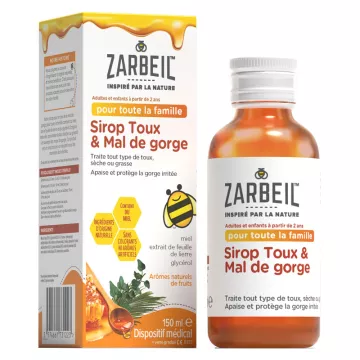
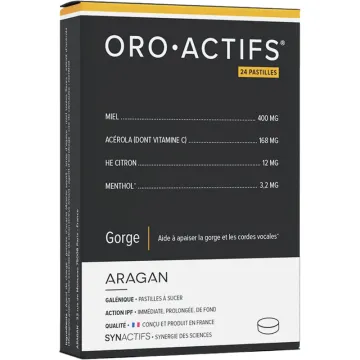
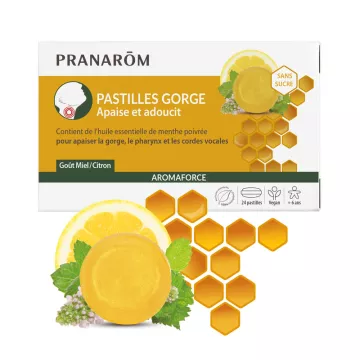
- Honey: a proven emollient and antibacterial agent—1 to 2 teaspoons of pure honey (let it melt slowly in the mouth for prolonged contact with the throat) or in warm herbal tea with lemon and thyme—effectiveness against coughs and throat irritation comparable to dextromethorphan in some studies—contraindicated for children under 1 year of age
- Warm salt water gargles: 1/2 teaspoon of salt in a glass of warm water — 3 to 4 times a day — reduces throat swelling through osmosis, clears secretions, and relieves irritation — a simple, effective remedy with no contraindications
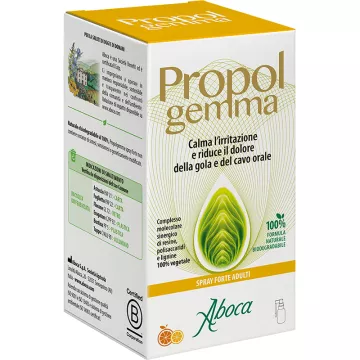
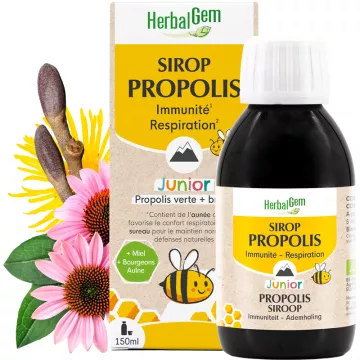
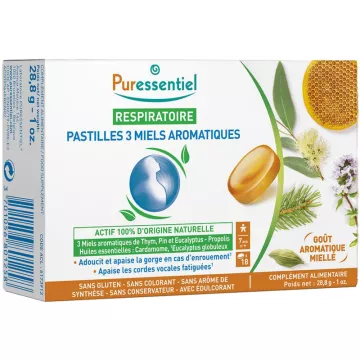
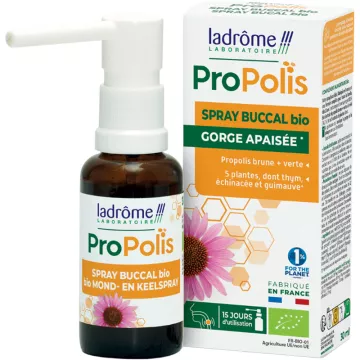
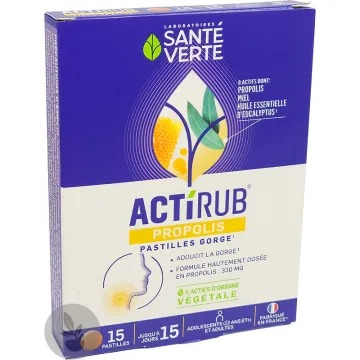
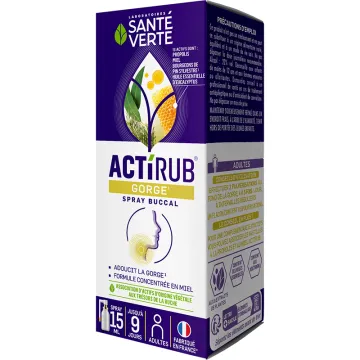
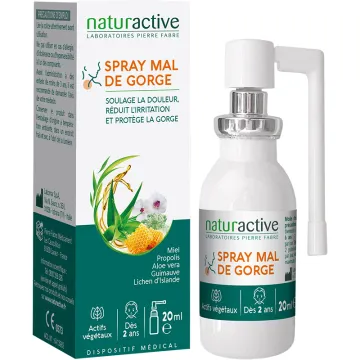
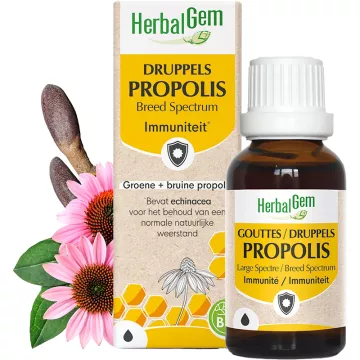
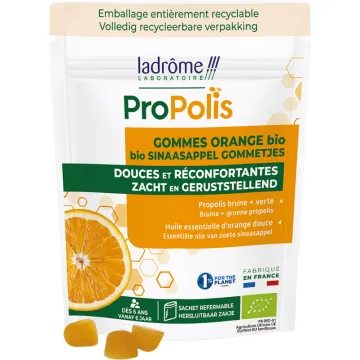
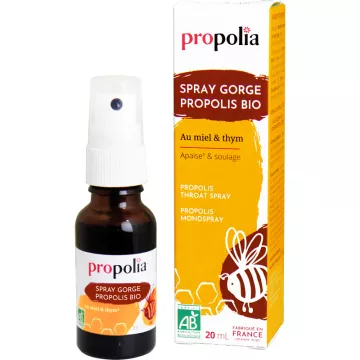
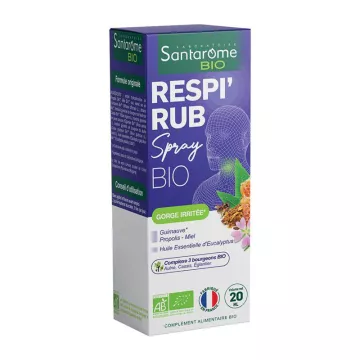
- Propolis: proven antibacterial and anti-inflammatory effects against the main pharyngeal pathogens (streptococci, staphylococci) — in lozenges (direct contact with the pharyngeal mucosa) or as an oral spray — effective for mild viral and bacterial sore throats
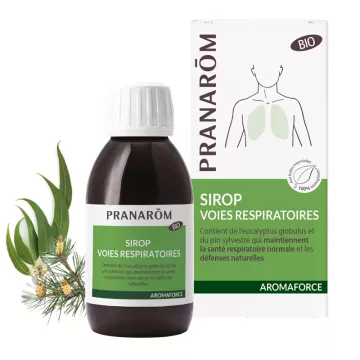
- Thyme and eucalyptus: thyme (Thymus vulgaris—thymol, which is antiseptic and antispasmodic—as a tea, 3 cups per day with honey) — eucalyptus (1,8-cineole, anti-inflammatory and decongestant — via steam inhalation for 10 minutes, 2 to 3 times a day) — licorice (glycyrrhizin, soothing and locally anti-inflammatory)
- Foods to avoid: citrus fruits and acidic foods (irritate the inflamed mucous membrane) — spicy foods (cause a burning sensation in the throat) — chips and hard, crunchy foods (mechanical trauma) — alcohol (dries out and irritates) — opt for soups, broths, purees, and compotes during the acute phase
Preventing sore throats and protecting the pharyngeal mucosa
Preventing sore throats starts with reducing viral transmission—viruses spread through droplets and indirect contact. Washing your hands for 20 seconds with soap or hand sanitizer (before meals, after using public transportation) is the most effective preventive measure. Ventilating indoor spaces (15 minutes in the morning and evening) dilutes the viral concentration in the air.
- Tobacco and the throat: Cigarette smoke chronically irritates the pharyngeal mucosa, reduces its local immune function, and promotes recurrent sore throats—secondhand smoke has the same effects—quitting smoking improves pharyngeal health within a few weeks
- Environment and Humidification: Use a humidifier (40–60%) in heated or air-conditioned spaces—dry air dries out and weakens the pharyngeal mucosa—wearing a scarf over your mouth outdoors in cold weather warms and humidifies the air you breathe in
- Immune-boosting diet: Vitamin C (supports antiviral immunity) — zinc (taken within 24 hours of the first symptoms — reduces the duration of respiratory infections) — garlic (antibacterial allicin) — ginger (anti-inflammatory for the throat)
- Reflux and chronic sore throat: a recurring sore throat with no obvious infectious cause, accompanied by a hoarse voice in the morning and chronic throat clearing, suggests gastroesophageal reflux—lifestyle and dietary guidelines (light meals in the evening, avoid alcohol, coffee, and acidic foods; do not lie down immediately after eating) reduce the frequency of episodes