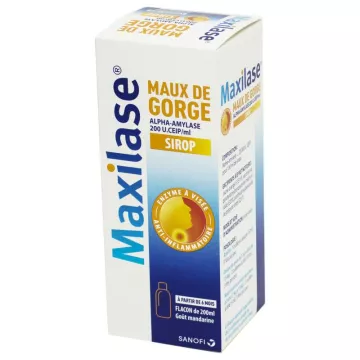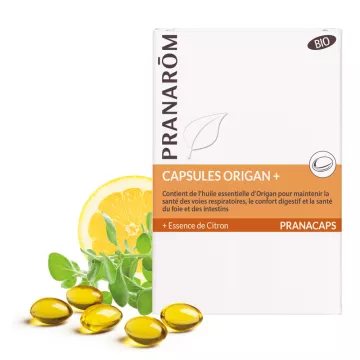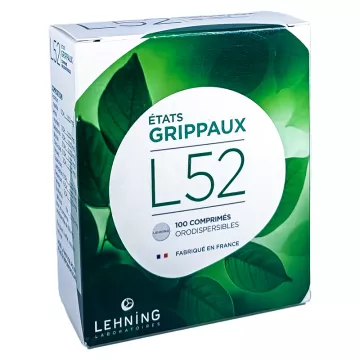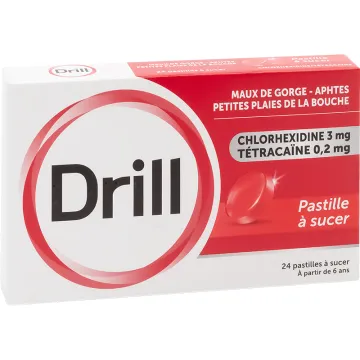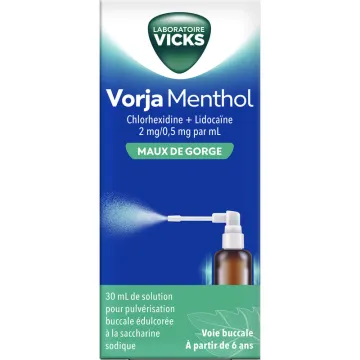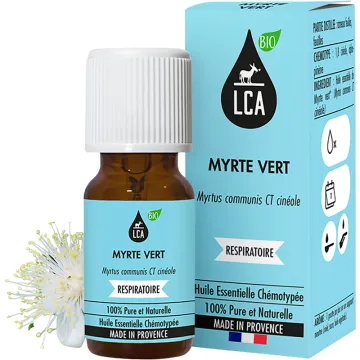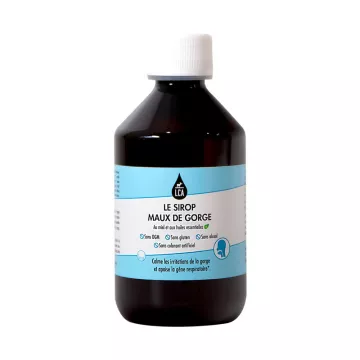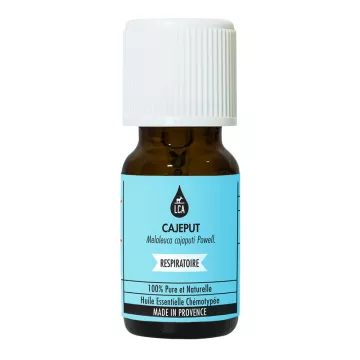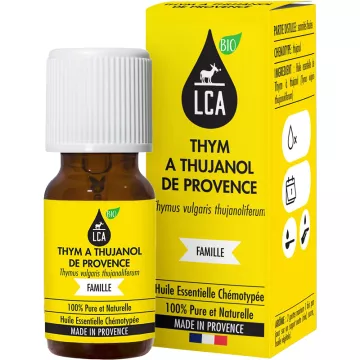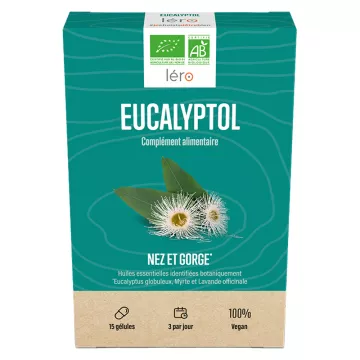




Tonsillitis (or acute tonsillitis) is an inflammatory infection of the palatine tonsils, characterized by severe throat pain, dysphagia (difficulty swallowing), often a high fever, and general malaise. It differs from simple pharyngitis in that the inflammation is primarily localized to the tonsils—which may be red, swollen, and covered with a white or purulent coating (exudate). As with pharyngitis, tonsillitis is viral in 70 to 80% of cases (rhinovirus, adenovirus, EBV—mononucleosis) and resolves spontaneously within 5 to 7 days; bacterial in 20 to 30% of cases, primarily caused by Streptococcus pyogenes (group A streptococcus). ENT care products and throat remedies are available in the store’s sore throat and ENT sections.
Infectious mononucleosis (EBV) can mimic severe bacterial tonsillitis with tonsillar exudate, enlarged cervical lymph nodes, and splenomegaly—a classic diagnostic pitfall, as prescribing amoxicillin in this context causes a characteristic rash. A negative rapid diagnostic test (RDT) + intense exudate + multiple lymphadenopathies in adolescents or young adults should raise suspicion of mononucleosis and prompt an NFS-MNI test.
The rapid streptococcal diagnostic test (RDT) —performed in a doctor’s office or pharmacy in less than 5 minutes—is the gold standard recommended by the HAS before prescribing any antibiotics for strep throat. Its sensitivity is >90%. The McIsaac score guides the indication for the RDT: fever > 38 °C (+1), absence of cough (+1), tonsillar exudate (+1), tender anterior cervical lymph nodes (+1), age 3–14 years (+1) — score ≥ 2 → TDR indicated.
Consult a doctor immediately in case of trismus (inability to open the mouth), a hoarse and nasal voice with bulging of a tonsil (peritonsillar abscess—surgical emergency), respiratory distress, persistent fever > 39 °C despite treatment, or a widespread skin rash (scarlet fever). Complications of untreated streptococcal tonsillitis—extremely rare but serious—include acute rheumatic fever (ARF) and post-streptococcal glomerulonephritis. This is why the antibiotic treatment for streptococcal tonsillitis (amoxicillin for 6 days, according to the HAS) must be completed in full—see the guidelines for taking antibiotics.
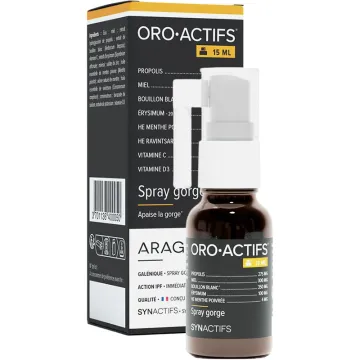
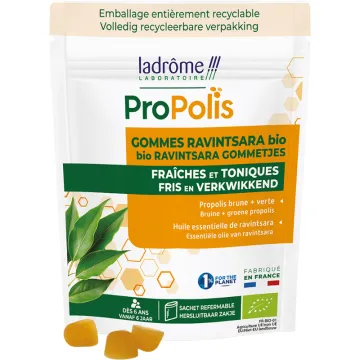
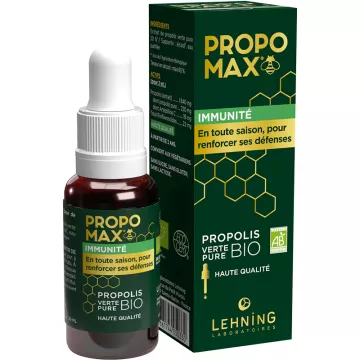
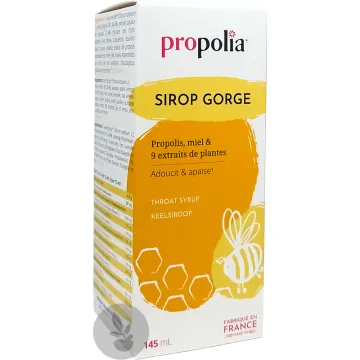
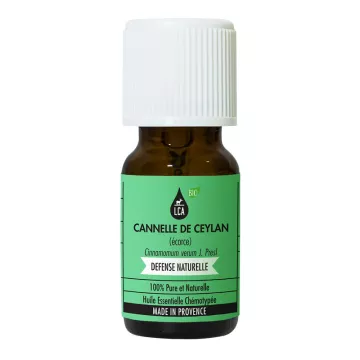
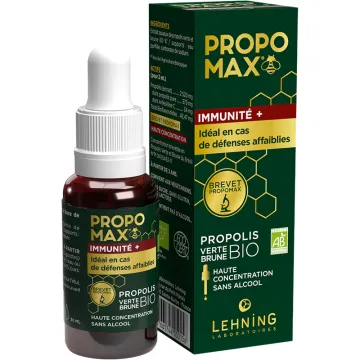
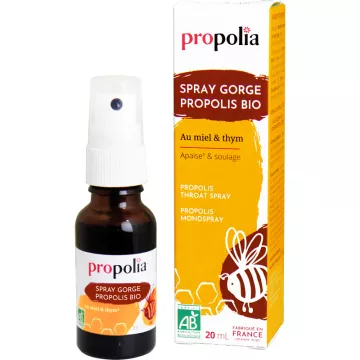
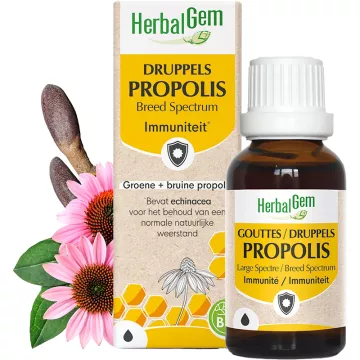
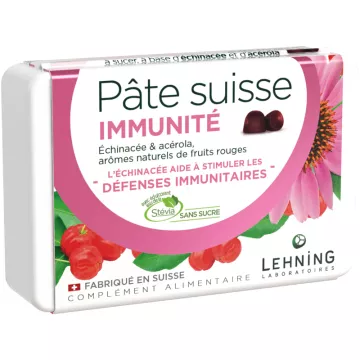
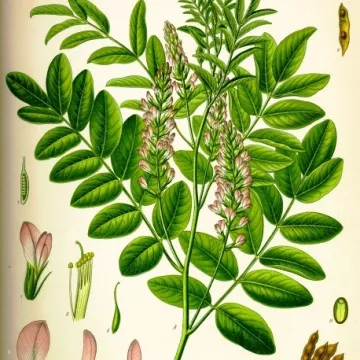
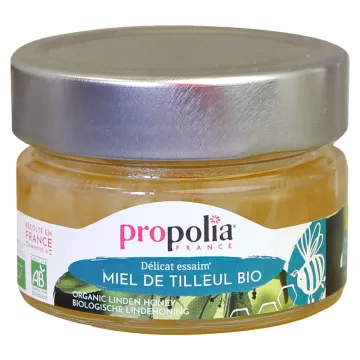
For viral sore throats (negative TDR), treatment is symptomatic—rest, plenty of fluids, and pain relievers if necessary. Several natural remedies effectively relieve pain and inflammation of the tonsils. Gargling with warm salt water (1/2 teaspoon in 200 mL, 3 times a day) reduces local swelling through an osmotic effect and mechanically cleanses the tonsillar crypts. Propolis oral spray (antibacterial and antiviral flavonoids—contraindicated in cases of allergy to bee products) is the gold standard natural remedy for sore throats and oral infections. Manuka honey (standardized MGO—emollient, antibacterial, antiviral), taken as a warm herbal tea or by the spoonful, soothes irritated mucous membranes. Ginger (fresh infusion—anti-inflammatory and local analgesic) and soothing herbal lozenges (marshmallow, licorice, mallow) provide additional support for the mucous membranes. Vitamin C (500–1,000 mg/day) and zinc (lozenges—direct contact with the pharyngeal mucosa) support the local immune response.Echinacea (EMA—2 to 4 weeks; contraindicated in autoimmune diseases) reduces the duration of viral respiratory infections. These remedies are not a substitute for prescribed antibiotics if the rapid diagnostic test (RDT) is positive.