0
Menu

Antibiotics: Essential Guidelines and Associated Probiotics

Filter
Number of products : 17
Sort
Sort
Close
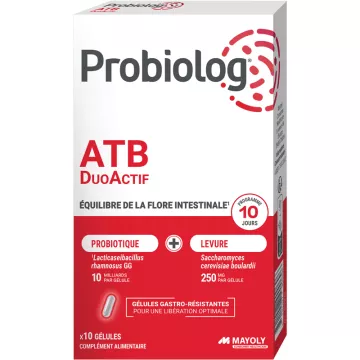
Probiolog ATB DuoActif Probiotic + Yeast 10 capsules Probiolog ATB DuoActif Probiotic + Yeast 10 capsules
€7.99
Shipped within 24h
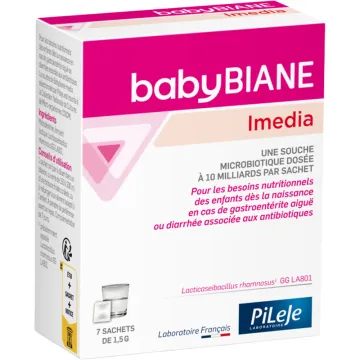
BabyBiane Imedia Probiotiques Pileje 7 Sachets BabyBiane Imedia Probiotiques Pileje 7 Sachets
€8.99
Shipped within 24h
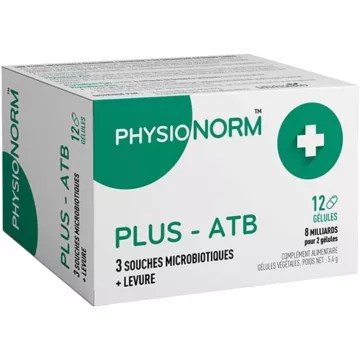
Immubio Physionorm Plus Atb 12 Capsules Immubio Physionorm Plus Atb 12 Capsules
€8.99
Shipped within 24h
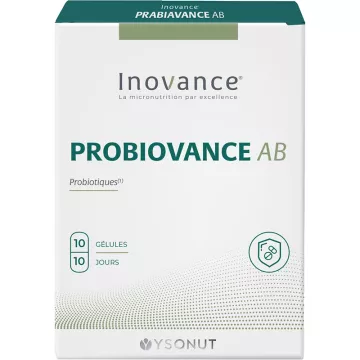
Inovance Probiovance AB 10 capsules Inovance Probiovance AB 10 capsules
€11.30
Shipped within 24h
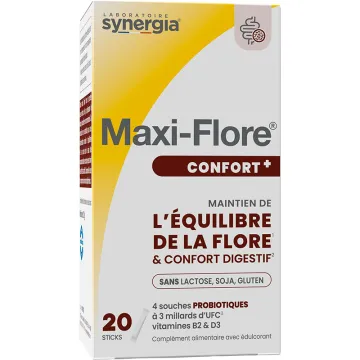
Maxi-Flore Confort+ Intestinal Flora Synergia 20 Sticks Maxi-Flore Confort+ Intestinal Flora Synergia 20 Sticks
€12.99
Shipped within 24h
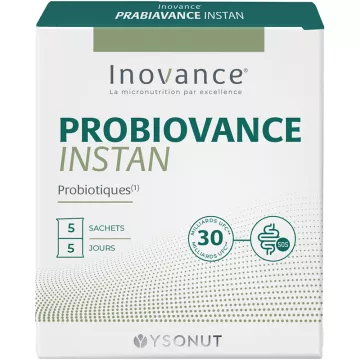
Inovance Probiovance Instan 5 sachets Inovance Probiovance Instan 5 sachets
€11.90
Shipped within 24h
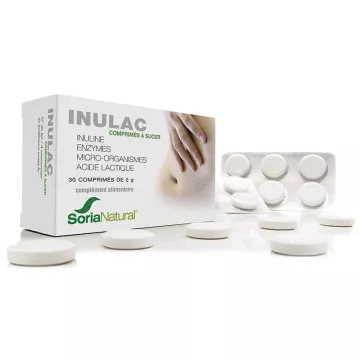
Soria Natural Inulac pre-probiotics and enzymes 30 tablets Soria Natural Inulac pre-probiotics and enzymes 30 tablets
€14.30
Shipped within 24h
Inovance Probiovance I10 30 capsules Inovance Probiovance I10 30 capsules
€26.90
Shipped within 24h
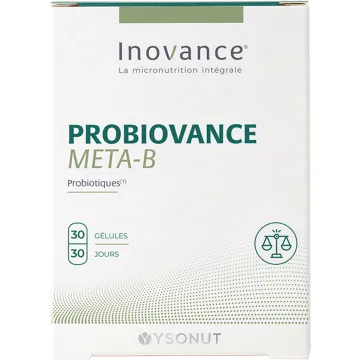
Inovance Probiovance META-B 30 capsules Inovance Probiovance META-B 30 capsules
€27.95
Shipped within 24h
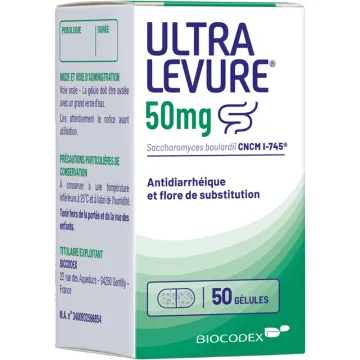
Ultra Yeast 50 mg Antidiarrheal 50 capsules Ultra Yeast 50 mg Antidiarrheal 50 capsules
€6.49
Shipped within 24h
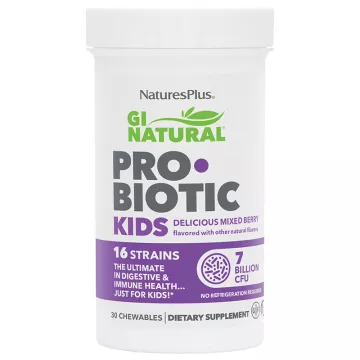
Natures Plus GI Natural Probiotique Kids 30 chewable tablets -20% Natures Plus GI Natural Probiotique Kids 30 chewable tablets
€19.92 €24.90
Shipped within 24h
Inovance Probiovance S3 fights stress 30 capsules Inovance Probiovance S3 fights stress 30 capsules
€24.94
Shipped in 5 to 7 working days
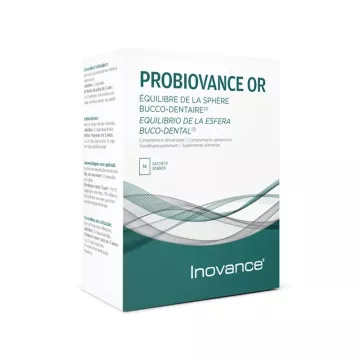
Inovance Probiovance OR 14 sachets Inovance Probiovance OR 14 sachets
€18.95
Shipped in 5 to 7 working days
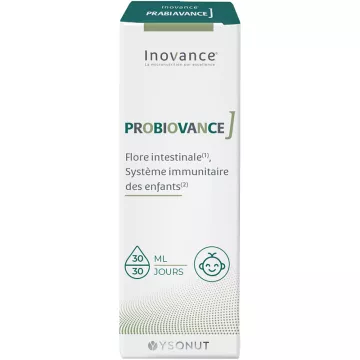
Inovance Probiovance J 30 ml Inovance Probiovance J 30 ml
€21.30
Shipped in 5 to 7 working days

What is an antibiotic, and how does it work against bacteria?

An antibiotic is a prescription medication designed to inhibit bacterial growth (bacteriostatic) or destroy bacteria (bactericidal). Each class of antibiotic targets a specific bacterial structure or function that is not present in human cells—which explains their selectivity. Beta-lactams (penicillins, cephalosporins) disrupt bacterial cell wall synthesis; macrolides and tetracyclines inhibit protein synthesis; fluoroquinolones block bacterial DNA replication. No antibiotic is effective against viruses—using them to treat a viral infection (cold, flu, COVID-19) is pointless and contributes to resistance. Supportive supplements for use during antibiotic therapy are available in the store’s probiotic and digestive health product lines.

Choosing the right antibiotic depends on the identified bacterial pathogen and its antibiotic susceptibility testing—a laboratory test that determines which antibiotics are effective against the specific bacteria involved. An inappropriate or insufficient antibiotic will not cure the infection and will select for resistant strains. See the bacterial infections page for the main indications.

How can you use antibiotics correctly and prevent resistance?

Antibiotic resistance is one of the most critical public health challenges—it occurs when bacteria mutate and become resistant to treatment. Several absolute rules apply whenever antibiotics are taken:

  • Never self-medicate —antibiotics must be prescribed by a doctor after a bacterial infection has been identified or is strongly suspected clinically
  • Complete the full course of treatment —even if symptoms disappear before the end, the remaining bacteria may be the most resistant
  • Never share or reuse an antibiotic prescribed for another infection or another person
  • Never use an expired antibiotic —store in a cool, dry place, away from light; some require refrigeration
  • Do not combine alcohol with antibiotics without checking first—some (metronidazole, tinidazole) are strictly contraindicated with alcohol; most are not, but alcohol weakens the immune system

How can you protect your gut flora during and after antibiotic treatment?

Antibiotics disrupt not only the targeted pathogenic bacteria but also the gut microbiota (gut flora), reducing its diversity and creating conditions conducive to the proliferation of Clostridium difficile (severe post-antibiotic diarrhea) or Candida albicans (post-antibiotic oral or vaginal candidiasis). To limit this impact, probiotics (Lactobacillus rhamnosus GG, Saccharomyces boulardii) are recommended starting on the first day of antibiotic therapy, taken at least 2 hours apart from the antibiotic to prevent their inactivation. The probiotic regimen should continue for at least 2 to 4 weeks after the end of antibiotic treatment to promote the restoration of microbial diversity. A diet rich in prebiotic fiber (oats, legumes, artichokes, garlic, onions) nourishes beneficial bacteria and accelerates the restoration of the microbiome. These measures complement medical treatment—they do not replace it. See the Infectious Diseases page for comprehensive management of infections.