A bacterial infection results from the invasion and multiplication of pathogenic bacteria in the body. Unlike viruses—noncellular entities that require a host cell to reproduce—bacteria are single-celled organisms capable of dividing independently within human tissues. This fundamental difference entirely determines treatment strategies: antibiotics target structures specific to bacteria (cell wall, ribosomes, DNA gyrase) and are completely ineffective against viral infections. Using an antibiotic for a cold or the flu (which are viral) offers no benefit and contributes to bacterial resistance. Immune-supporting supplements for infections are available in the “Immunity” and “Immune Defense” sections of the store.
The most common bacterial infections in general practice include streptococcal throat infections (Streptococcus pyogenes—high fever, red throat, exudate), urinary tract infections (Escherichia coli—burning during urination, frequent urination), bacterial ear infections, community-acquired pneumonia (Streptococcus pneumoniae), and skin impetigo. They differ from viral infections in that they often progress more rapidly, are accompanied by a higher fever, elevated inflammatory markers (CRP, neutrophil-dominant leukocytosis), and the absence of an initial flu-like syndrome. See the Infections page for an overview.
The diagnosis is based on clinical examination, laboratory inflammatory markers (CRP, complete blood count), and, for confirmation, microbiological specimens: blood cultures (sepsis), urine culture (urinary tract infections), throat swab (strep throat), and sputum (pneumonia). The antibiotic susceptibility test—which determines the sensitivity of the identified bacteria to various antibiotics—is the gold standard for selecting the most effective and targeted treatment, thereby limiting bacterial selection pressure.
Antibiotic treatment must always be prescribed by a doctor and followed strictly. Two absolute rules apply: complete the full course of treatment until the last day, even if symptoms disappear earlier, and never self-medicate with antibiotics leftover from a previous prescription. Whenever taking antibiotics, combining them with probiotics (Lactobacillus rhamnosus GG, Saccharomyces boulardii) protects the gut flora disrupted by antibiotic therapy and reduces the risk of post-antibiotic diarrhea and candidiasis.
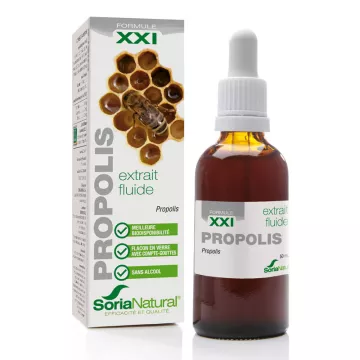
Natural antibacterial substances are never a substitute for an antibiotic prescribed for a diagnosed bacterial infection—however, they can support the immune system as a preventive measure and limit local bacterial growth in mild infections. Propolis (flavonoids with a documented broad-spectrum antibacterial effect—Staphylococci, Streptococci, E. coli) is useful for ENT prevention and for minor oral lesions.Garlic (allicin) exhibits in vitro antibacterial activity against numerous strains, including certain resistant Staphylococci—when taken daily as a standardized extract or fresh.Echinacea supports the nonspecific immune response (EMA—2 to 4 weeks; contraindicated in autoimmune diseases). A healthy gut microbiota is the first line of defense against bacterial colonization: maintaining a regular intake of prebiotic fiber and fermented foods preserves this natural protection. See the infectious diseases page for comprehensive management.