Why is interdental hygiene essential to brushing?
Interdental hygiene targets the spaces between the teeth—areas that are not reached by a toothbrush, which can only clean the outer, inner, and chewing surfaces. These 40% of unbrushed tooth surfaces are precisely the areas most at risk for interdental cavities and gingivitis: bacterial plaque accumulates there unchecked, and pathogenic biofilm develops rapidly. Without daily interdental cleaning, even perfect brushing twice a day leaves these areas unaffected.Oral hygiene products and proper brushing techniques are available in the store.
The consequences of neglecting interdental care accumulate silently: gingivitis (inflammation and bleeding of the gums), followed by periodontitis (irreversible destruction of the alveolar bone), interproximal cavities (often invisible to the naked eye but detectable on X-rays), and persistent bad breath. All of these complications can be prevented by spending an extra 1 to 2 minutes cleaning between your teeth each day.
- When to clean: in the evening before bed is the most effective time—saliva is virtually absent at night, so bacteria proliferate unchecked in uncleaned spaces—cleaning before your evening brushing allows the fluoride toothpaste to reach the proximal surfaces more effectively
- Minimum frequency: once a day—studies show that increasing to twice a day does not significantly improve results if the procedure is performed correctly once—consistency is more important than frequency
- Risks of neglect: interdental cavities (invisible without an X-ray), chronic gingivitis progressing to periodontitis, persistent bad breath despite thorough brushing, tartar buildup primarily in the interdental spaces (spaces between teeth)—recognized as the most common site of origin for periodontal disease
Dental floss: technique, types, and usage tips
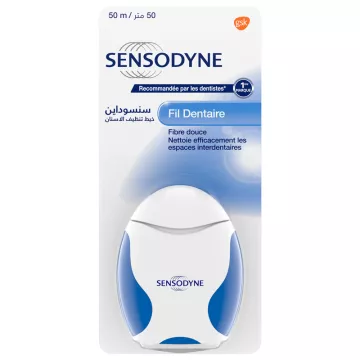
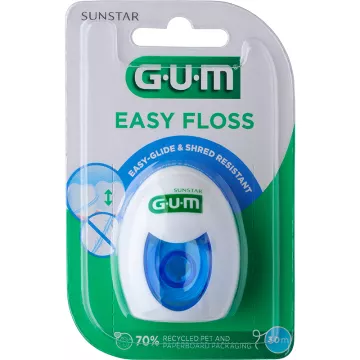
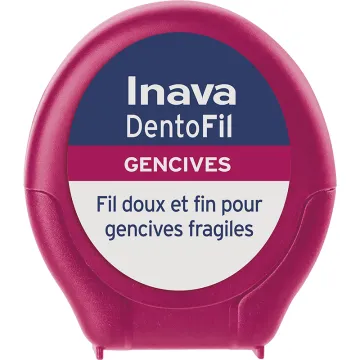
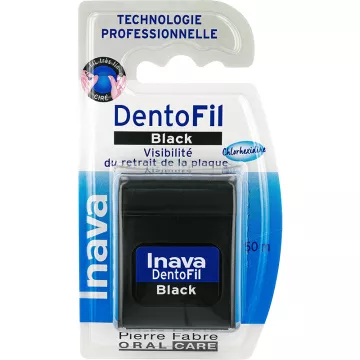
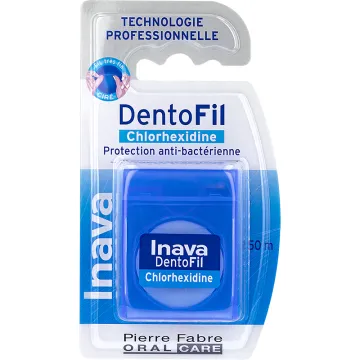
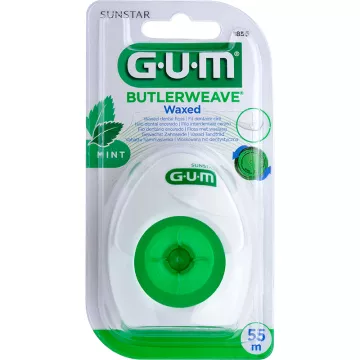
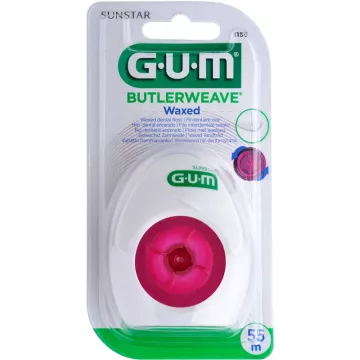
Dental floss is the gold standard for interdental hygiene—effective, economical, and suitable for all dental anatomies. The “C” technique is the recommended method: cut 40 to 45 cm of floss, wrap it around your middle fingers, leaving 2 to 3 cm free, gently slide it between the teeth, form a C shape around each tooth, moving up to the gingival sulcus (1 to 2 mm below the gumline), make 2 to 3 vertical movements, and use a clean section for each space. Never saw back and forth horizontally—this movement damages the interdental contact point and the gums.
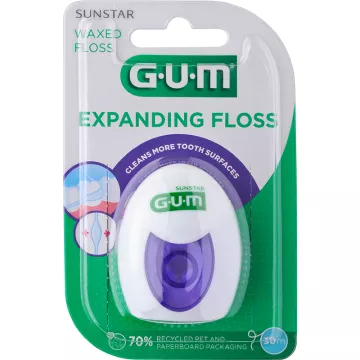
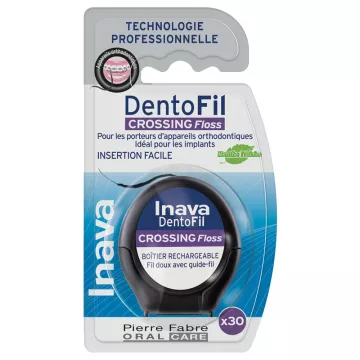
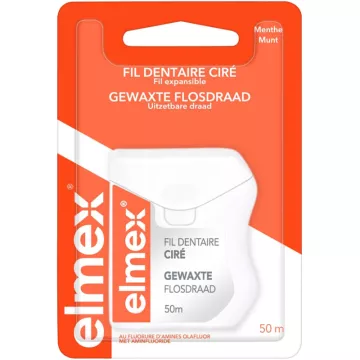
- Types of floss available: waxed floss (slides more easily into tight spaces—recommended for beginners) — unwaxed floss (slightly rougher, traps more plaque in normal spaces) — expandable floss (expands when wet, particularly effective on receding gums) — PTFE floss (polytetrafluoroethylene—very slippery, tear-resistant—ideal for very tight spaces or rough restorations) — Superfloss or bridge floss (rigid tip + foam section + standard floss — essential under bridges and around implants)
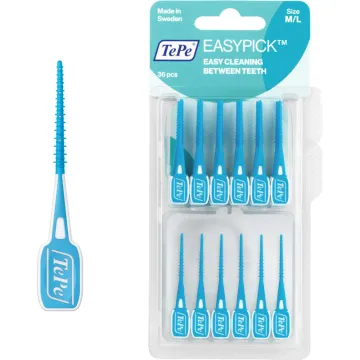
- Floss holders and floss picks: for people with reduced dexterity or difficulty handling Y-shaped floss — technically less effective than C-shaped floss but much better than not flossing at all — tailor the tool to the individual to ensure compliance
- Bleeding during flossing: a sign of gingivitis—healthy gums do not bleed—continue cleaning despite the bleeding (stopping perpetuates the inflammation)—bleeding usually subsides within 7 to 14 days of regular cleaning—if it persists after 2 weeks, consult a dentist
Interdental brushes: selection, size, and use
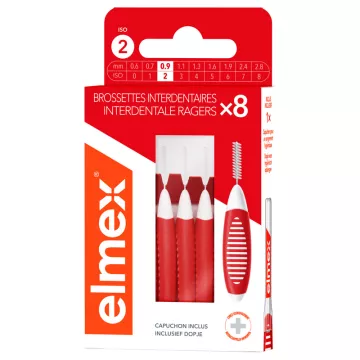
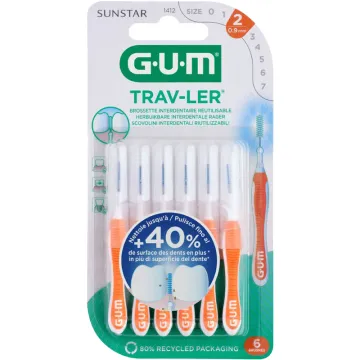
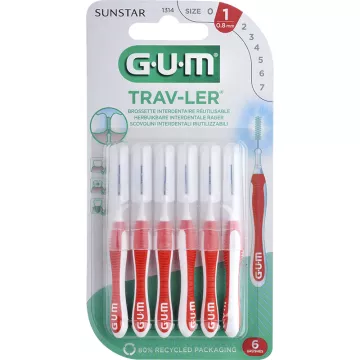
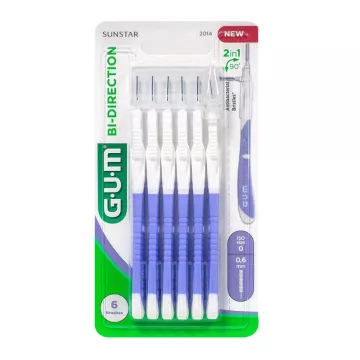
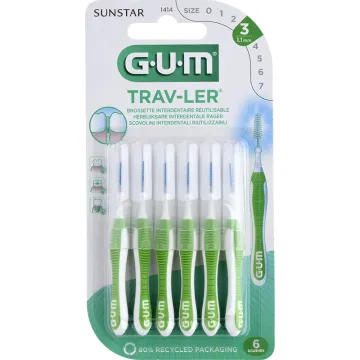
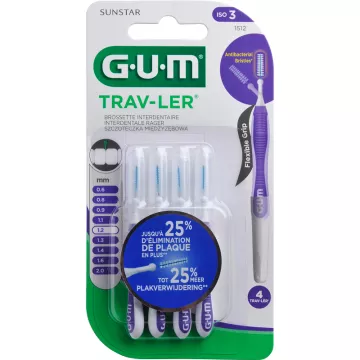
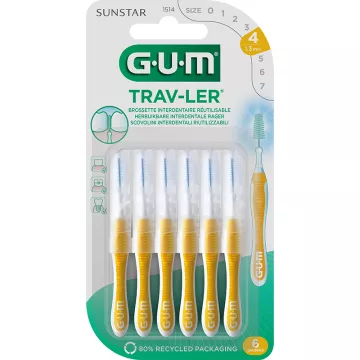
Interdental brushes are superior to dental floss for plaque reduction in adults with sufficient periodontal spaces — their mechanical contact on both sides of the space is more effective than passing a piece of floss through. They are available in a standardized range of ISO diameters (0 to 8)—the brush should slide through without forcing but with slight resistance. Start with the smallest available size and work your way up until you find the right fit—use different sizes depending on the area (posterior spaces are often wider).
- Usage technique: Insert at an angle into the interdental space (not perpendicularly—risk of gum injury) — make 2 to 3 back-and-forth movements — never force it (the interdental brush should never cause pain) — rinse the brush with clean water between each space — replace it as soon as the bristles splay or the metal wire bends
- Sensitive gums: Choose interdental brushes with plastic wire (metal-free) or ultra-soft bristles — start with very gentle movements — some adjustment is normal during the first few weeks — if pain or bleeding persists after 2 weeks, consult a dentist
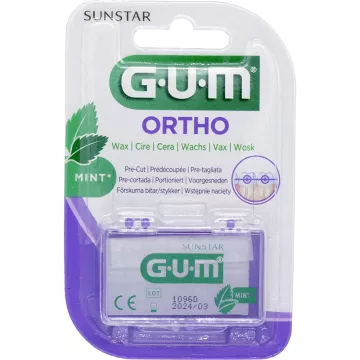
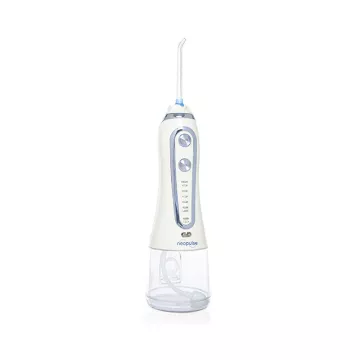
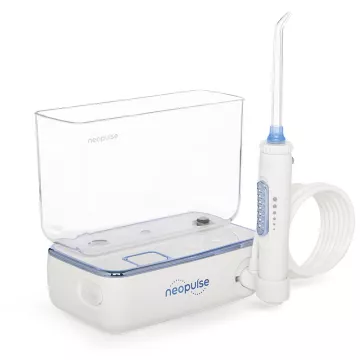
- Orthodontics: specific alternatives: Brackets and orthodontic wires make it difficult to floss — orthodontic bridge floss (rigid tip to go around the wire of the appliance) — water flosser with an orthodontic tip (effectively cleans around brackets without risk of damaging the braces) — both can be combined for maximum effectiveness