What is a canker sore, and what are its different forms?
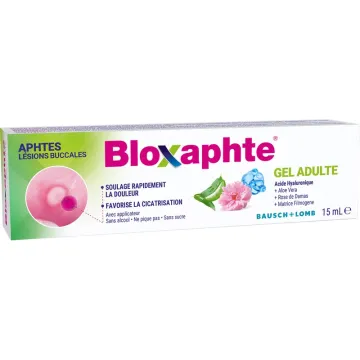
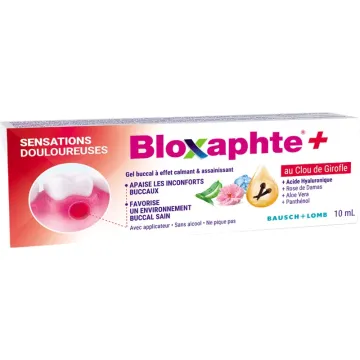
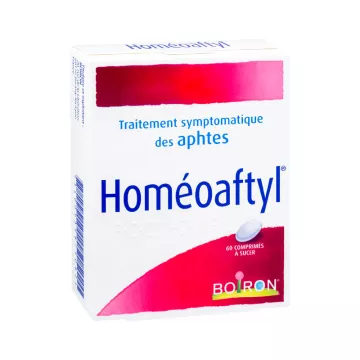
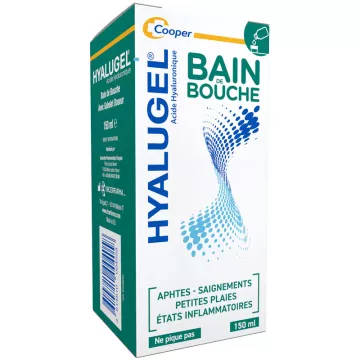
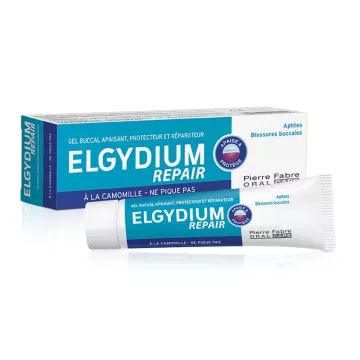
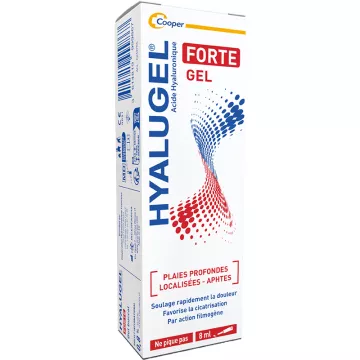
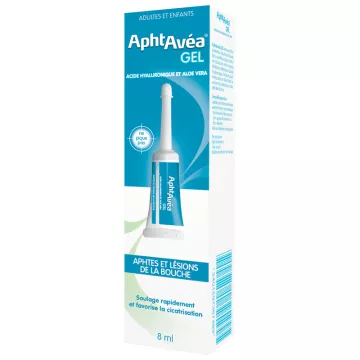
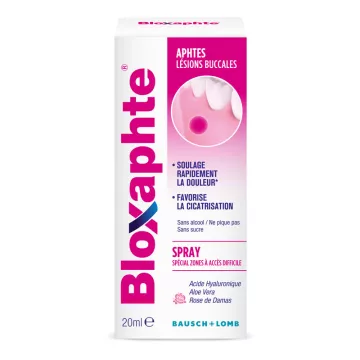
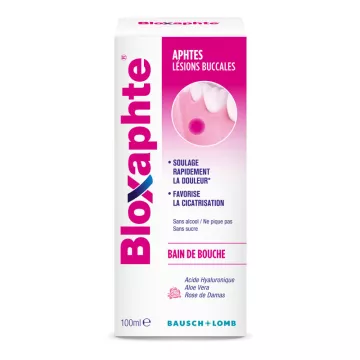
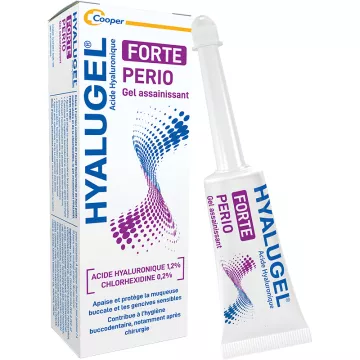
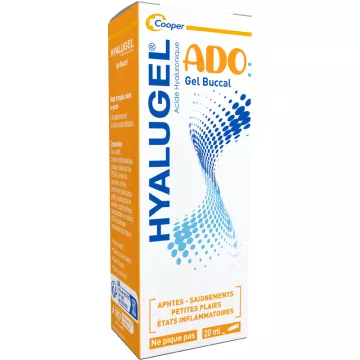
A canker sore (recurrent aphthous ulcer) is a benign, noncontagious ulceration of the oral mucosa that forms due to localized destruction of epithelial cells. It typically appears as a round or oval ulcer with a yellowish-gray center, surrounded by a bright red halo, located on the movable mucous membranes (inner surface of the cheeks, floor of the mouth, movable tongue, soft palate). The pain is disproportionate to the size—even a 3-mm canker sore can make chewing very difficult. Our range of canker sore products and appropriateoral hygiene care items are available in the store. A canker sore that persists for more than 2 weeks, or that is accompanied by a fever or difficulty swallowing, should be evaluated by a healthcare professional.
- Minor canker sore (most common type—80%): diameter < 1 cm — heals spontaneously in 7 to 14 days without scarring — occurs 1 to 6 times a year in predisposed individuals — location: cheeks, lips, edges of the tongue
- Major canker sore (Sutton’s form—15%): diameter > 1 cm — severe pain, healing time 2 to 6 weeks — may leave a scar — most commonly found on the soft palate, pharynx, and tonsils — often requires topical corticosteroid treatment
- Herpetiform aphthous ulcer (5%): multiple small ulcers measuring 1–3 mm, clustered in groups of 10 to 100 — visually resemble herpes but are not caused by a virus (non-contagious) — very painful due to confluence — duration 7–14 days
- Recurrent aphthous stomatitis (RAS): more than 3 episodes per year — may indicate Crohn’s disease, Behçet’s disease, undiagnosed celiac disease, or a chronic deficiency — severe RAS warrants a comprehensive medical evaluation
What are the causes and triggers of canker sores?
- Local trauma: accidental biting of the cheek or tongue — aggressive brushing with a hard-bristled toothbrush — ill-fitting braces or dentures — sharp foods (potato chips, crispy bread) — this is often the immediate trigger that compounds an underlying predisposition
- Stress and fatigue: Stress activates the HPA axis (hypothalamic-pituitary-adrenal) and increases cortisol — the local immune response of the mucous membranes (secretory IgA) is reduced — people suffering from chronic overexertion are 2 to 3 times more likely to develop canker sores — magnesium, a deficiency of which is exacerbated by stress, is often involved
- Food triggers: walnuts and almonds — chocolate — tomatoes and citrus fruits — strawberries and pineapple — Gruyère and Emmental — strong spices — certain food additives — each person has their own profile of triggers — a food diary helps identify them
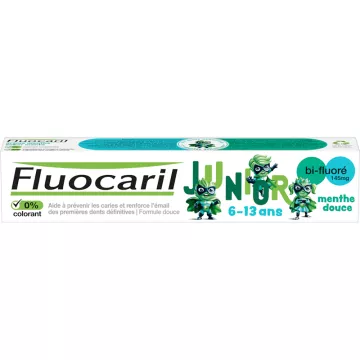
- Sodium lauryl sulfate (SLS): a surfactant found in many toothpastes (creates foam) — irritates and dehydrates the oral mucosa — several studies show a 40–80% reduction in the frequency of canker sores with SLS-free toothpastes — switching to an SLS-free toothpaste is the first step to try in cases of recurrent canker sores
- Hormonal fluctuations: Women often report an increase in canker sores during the premenstrual phase (drop in estrogen) — pregnancy and menopause can alter the frequency of episodes — the hormonal link is well-documented, but the mechanisms remain poorly understood
Nutritional deficiencies and recurrent canker sores: what to check
- Iron deficiency: the most common deficiency associated with recurrent canker sores—iron is essential for the renewal of oral epithelial cells—measure ferritin (not just hemoglobin—deficiency can be present without anemia) — a ferritin level < 20 µg/L is often associated with an increase in episodes
- Vitamin B12 deficiency: study by Volkov et al.: B12 supplementation (1,000 µg/day sublingually) significantly reduces the frequency of canker sores even in the absence of a documented biological deficiency — sublingual B12 is the most bioavailable form — test with a 3-month course of treatment in cases of recurrent aphthous stomatitis (RAS)
- Zinc deficiency: zinc is a cofactor for matrix metalloproteinases (epithelial repair) and local mucosal immunity—a zinc deficiency slows healing and promotes recurrence—zinc supplementation (15–25 mg/day) for a 2–3-month course is often recommended prior to evaluation in cases of RAS
- Vitamin B9 (folate) and B6 deficiency: less well-documented but associated in several studies with recurrent aphthous stomatitis—should be investigated if iron and B12 levels are normal—a complete B-complex supplement can address multiple deficiencies simultaneously
- Tests to order in cases of severe RAS: CBC (anemia) + ferritin + vitamin B12 + folate + zinc + thyroid panel + IgA anti-transglutaminase antibodies (celiac disease) + CRP (systemic inflammation)—this panel helps identify the underlying cause in the majority of cases
What treatments and natural remedies are available to relieve a canker sore?
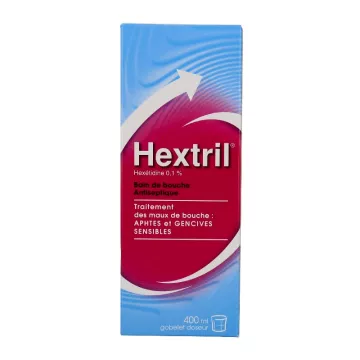
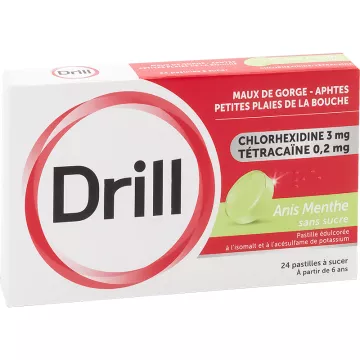
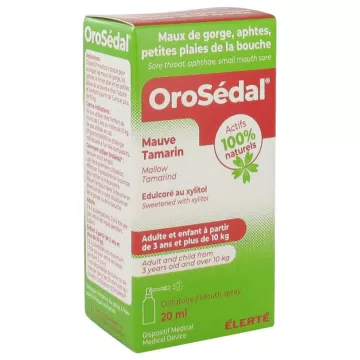
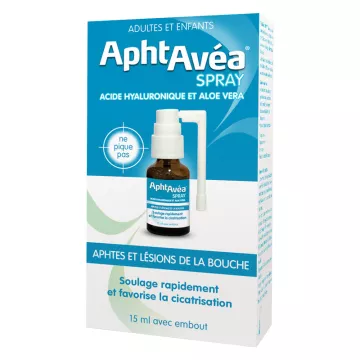
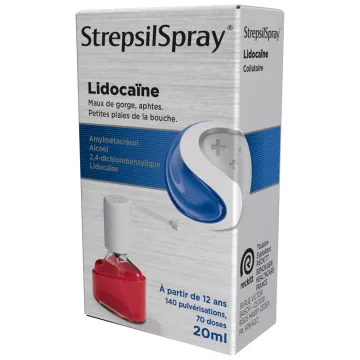
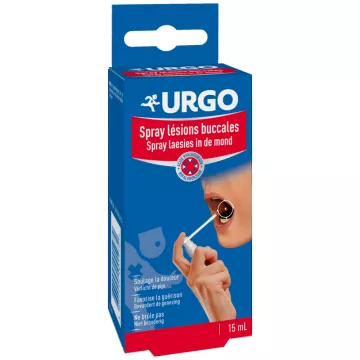
- Standard topical treatments: triamcinolone acetonide gel (topical corticosteroid) as an oral paste — reduces inflammation and pain within 24–48 hours and accelerates healing — 2% lidocaine gel (local anesthetic) applied before meals to allow for pain-free eating — 0.12–0.2% chlorhexidine mouthwash (standard antiseptic) — these treatments are available with a pharmacist’s advice for minor cases — severe cases require a doctor’s consultation
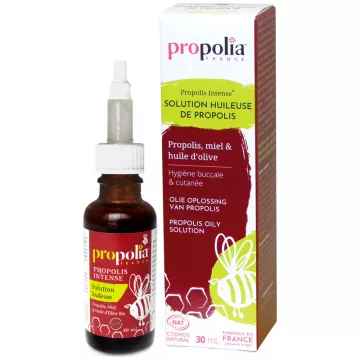
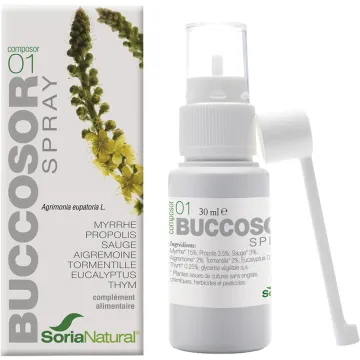
- Propolis: a natural resin with antibacterial, antiviral, and anti-inflammatory properties — available as an oral spray, gel, or tincture — apply directly to the canker sore 3 to 4 times a day — reduces pain and speeds up healing — several in vitro studies and a few clinical studies show efficacy comparable to triclosan
- Manuka honey (MGO ≥ 250): a natural antibacterial and anti-inflammatory agent—apply directly to the canker sore 3 times a day—forms a protective film over the lesion—effective for minor canker sores, less so for severe cases
- Saltwater and baking soda: rinse 3–4 times a day (1 c.c. of salt or baking soda in a glass of lukewarm water) — alkalizes the oral pH, reduces local inflammation, cleans the lesion — a simple first-line treatment with no side effects, available at home
- When to seek immediate medical attention: a canker sore lasting more than 2 weeks — a very large canker sore (> 1 cm) — multiple canker sores occurring at the same time (> 5) — fever — difficulty swallowing or opening the mouth — a canker sore in a child under 1 year of age — any white, red, or unusual-looking lesion that does not resemble a typical canker sore—these situations may indicate underlying stomatitis or a more serious condition