What is stomatitis, and what are its different forms?
Stomatitis is an inflammation of the oral mucosa—it can affect the gums, the inside of the cheeks, the tongue, the roof of the mouth, the lips, and the back of the throat. This term encompasses several distinct clinical conditions, not all of which have the same cause or treatment. An accurate diagnosis by a doctor or dentist is essential before any treatment, especially if the lesions persist for more than two weeks, are accompanied by a fever, or cause difficulty swallowing.Oral hygiene care and products for canker sores available in the store can complement medical treatment.
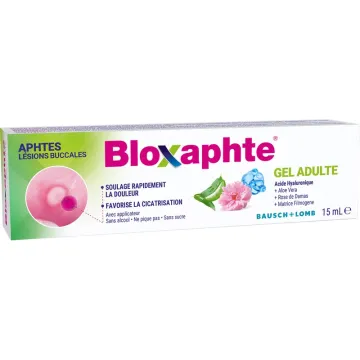
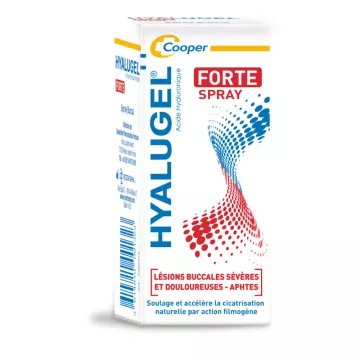
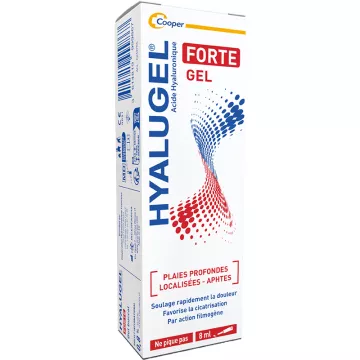
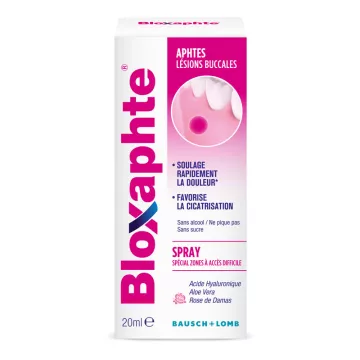
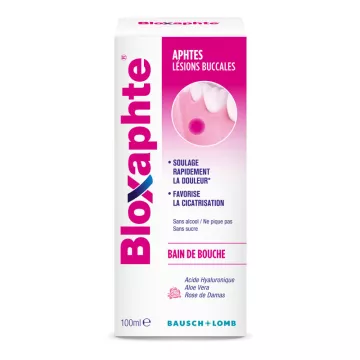
- Aphthous stomatitis (canker sores): the most common form—round or oval ulcers with a yellowish-white center, bright red edges, very painful—heal on their own within 7 to 14 days—recurrent in recurrent aphthous stomatitis (RAS)—for isolated canker sores, see the page dedicated to canker sores
- Herpetic stomatitis: caused by the herpes simplex virus type 1 (HSV-1)—primary infection is often severe (fever, multiple blisters, inflamed gums, refusal to eat in children) — recurrences occur on the lips (cold sores) rather than in the mouth — be aware of contagiousness during the active phase
- Oral candidiasis (thrush): a fungal infection caused by Candida albicans — whitish, creamy patches on the tongue, cheeks, and roof of the mouth — easily wiped away when scraped, unlike leukoplakia — promoted by antibiotics, inhaled corticosteroids, diabetes, immunosuppression, and xerostomia—prescribed antifungal treatment (topical amphotericin B, systemic fluconazole)—see the candidiasis page
- Contact or allergic stomatitis: reaction to dental materials (nickel, acrylic), foods (kiwi, nuts, spices), toothpastes (SLS—sodium lauryl sulfate), alcohol-based mouthwashes — erythematous or vesicular lesions — identification and elimination of the allergen = primary treatment
- Chemotherapy/radiation-induced stomatitis (oral mucositis): a common complication of chemotherapy and head and neck radiation therapy—ulcerated, extremely painful oral mucosa, high risk of infection—specialized oncological care is mandatory
Which deficiencies contribute to recurrent stomatitis?
- Iron deficiency: Iron deficiency is one of the most common causes of recurrent aphthous stomatitis—iron is essential for mucosal cell renewal and local immunity—classic signs: recurrent canker sores + fatigue + pallor + brittle nails → measure ferritin levels
- Vitamin B12 deficiency: Vitamin B12 is necessary for the rapid renewal of oral mucosal cells—a deficiency causes ulcers, a red and smooth tongue (atrophic glossitis), and cracks at the corners of the mouth—at-risk populations: vegans, elderly individuals taking PPIs, and gastrectomy patients
- Zinc deficiency: Zinc is a cofactor for more than 100 enzymes involved in mucosal repair and immunity—a deficiency slows healing and promotes recurrent ulcers—associated signs: perioral dermatitis, loss of taste (ageusia), brittle hair
- Vitamin C deficiency: scurvy (severe deficiency) typically manifests as swollen, bleeding gums and mucosal ulcers—a subclinical deficiency weakens the mucous membranes and reduces local immunity—at-risk populations: isolated older adults, smokers (tobacco reduces vitamin C absorption)
- Celiac disease and IBD: recurrent aphthous stomatitis may be a telltale sign of undiagnosed celiac disease (gluten-induced enteropathy) or Crohn’s disease—consider this possibility in cases of severe, frequently recurring aphthous stomatitis that is resistant to standard treatments
What natural treatments and care options are available to relieve stomatitis?
- First-line topical treatments: antiseptic mouthwashes (0.12–0.2% chlorhexidine—the most well-documented treatment against oral bacteria and yeasts)—local anesthetic gels (2% topical lidocaine) to relieve pain before meals — topical corticosteroids (triamcinolone acetonide oral paste) for severe canker sores — topical antifungals (amphotericin B suspension) for candidiasis — these treatments should be used only as prescribed or under medical supervision
- Baking soda: mouthwash made with 1 teaspoon in a glass of lukewarm water — alkalizes the oral pH (which is hostile to bacteria and yeasts that prefer acidic environments) — gently cleanses ulcers without irritating the oral mucosa — use 3 to 4 times a day between meals — a gentle alternative to chlorhexidine for mild stomatitis
- Manuka honey: documented antibacterial activity (methylglyoxal — MGO — a natural antiseptic) — reduces inflammation and local pain — applied directly to lesions several times a day — MGO rating ≥ 250 recommended for therapeutic effectiveness — do not use in infants under 1 year of age
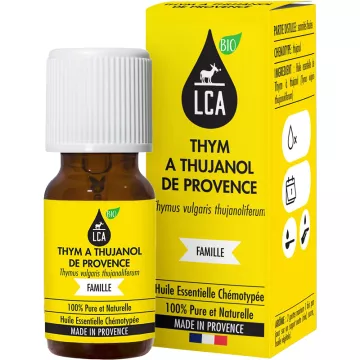
- Propolis: antibacterial, antiviral, and antifungal plant resin — available as a mouth spray or solution — effective against Candida and several oral bacteria — may help with herpetic and candidal stomatitis as an adjunct to prescribed treatment
- Dexpanthenol as a mouthwash: promotes re-epithelialization of ulcerated mucous membranes — forms a protective film over lesions — particularly suitable for use after dental surgery and for mild chemotherapy-induced mucositis — available in formulations suitable for oral use
How to prevent recurrences and when to seek medical advice?
- Proper oral hygiene: gentle brushing twice a day with a soft-bristled toothbrush (hard-bristled brushes can damage the mucosa) — SLS-free toothpaste (sodium lauryl sulfate)—several studies link SLS to an increased frequency of canker sores—avoid alcohol-based mouthwashes if the oral mucosa is compromised—mildoral care products available in the store
- Diet and Triggers to Avoid: acidic foods (citrus fruits, tomatoes, vinegar) — spicy foods (chili peppers, curry) — nuts, Gruyère cheese, chocolate, pineapple (common triggers of canker sores in sensitive individuals) — a food diary helps identify personal food triggers — opt for mild, fresh foods during the acute phase
- Stress management: Stress is a major trigger for recurrent aphthous stomatitis—it weakens the local immune defense of the oral mucosa—relaxation techniques, adequate sleep, and regular physical activity reduce the frequency of episodes
- Nutritional assessment in cases of recurrence: recurrent aphthous stomatitis with no obvious trigger → blood tests (complete blood count, ferritin, B12, folate, zinc, CRP) — identifying and correcting a deficiency is often sufficient to significantly space out episodes
- When to seek emergency care: ulcers persisting for more than 3 weeks (to rule out oral cancer) — associated fever > 38.5 °C — difficulty swallowing or breathing — rapidly spreading lesions — stomatitis in an immunocompromised patient (HIV, chemotherapy, organ transplant recipient) — signs of systemic infection