
What is blood circulation, and why is it essential for health?
Blood circulation refers to the process by which blood is pumped by the heart and flows throughout the body via a complex network of blood vessels, including arteries, veins, and capillaries. This system is crucial because it transports oxygen, essential nutrients, hormones, and immune cells to various tissues and organs, while removing waste products and carbon dioxide. Good circulation is fundamental to maintaining optimal health and preventing various diseases.
What are the signs of poor blood circulation?
Symptoms of poor blood circulation may include pain and cramps in the legs, numbness or tingling in certain parts of the body, persistent fatigue, cold extremities, changes in skin color (cyanosis), as well as memory or concentration problems. Recognizing these signs is crucial for taking preventive or corrective measures.
What are the main causes of poor blood circulation?
Several factors can negatively impact blood circulation, including smoking, obesity, diabetes, heart disease, and a diet lacking in essential nutrients. Lack of physical activity is also a major factor, as are advanced age and certain genetic disorders that affect blood viscosity or the health of blood vessels.
How can you naturally improve your blood circulation?
To promote better blood circulation, it is recommended to engage regularly in physical activities such as walking, swimming, or cycling, which help stimulate blood flow to the limbs and strengthen the heart muscle. A balanced diet rich in fruits, vegetables, whole grains, and omega-3 fatty acids is also beneficial. Avoiding tobacco and limiting alcohol consumption are essential steps. In addition, massages or the use of compression stockings can also help improve circulation.
What medical treatments are available for blood circulation problems?
When natural methods are not enough, medical treatments may be necessary. Depending on the cause and severity of the circulation problem, doctors may prescribe anticoagulants, antiplatelet drugs, or vasodilators. Surgical procedures, such as angioplasty or bypass surgery, may be considered to restore blood flow in blocked areas.
What role do arteries and veins play in blood circulation?
Arteries are blood vessels that carry oxygen- and nutrient-rich blood from the heart to tissues throughout the body. They are essential for supplying the energy and nutrients needed for organs to function. Veins, on the other hand, carry oxygen-depleted, waste-laden blood from the rest of the body back to the heart, from where it is pumped to the lungs to be reoxygenated. The good health of these vessels is crucial for maintaining efficient circulation and preventing vascular diseases.
How does stress affect blood circulation?
Stress can have a negative impact on blood circulation by causing blood vessels to constrict, which reduces blood flow to vital organs. Chronic stress can also contribute to high blood pressure, a major risk factor for cardiovascular disease. Managing stress through relaxation techniques, meditation, or physical activity can help improve circulation and reduce the risk of cardiovascular complications.
How important is hydration for blood circulation?
Hydration plays a fundamental role in blood circulation. Blood is composed of about 90% water, and dehydration can cause the blood to thicken, making it harder for it to flow through the blood vessels. Drinking enough water throughout the day helps maintain blood viscosity and promotes healthy blood flow, which is essential for the efficient transport of nutrients and oxygen throughout the body.
What foods are recommended to support good blood circulation?
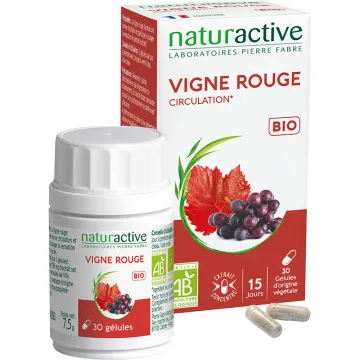
Certain foods are particularly beneficial for blood circulation. Foods rich in nitrates, such as beets and spinach, can improve circulation by converting into nitric oxide, a compound that helps dilate blood vessels. Citrus fruits, which are rich in vitamin C, and berries, which contain antioxidants, also help strengthen the walls of blood vessels. Fatty fish, such as salmon and mackerel, are excellent for circulation thanks to their high omega-3 content, which reduces inflammation and improves blood flow.
Are there any recommended supplements to improve blood circulation?
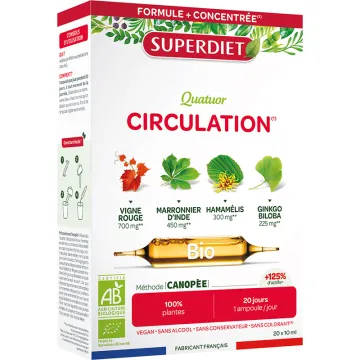
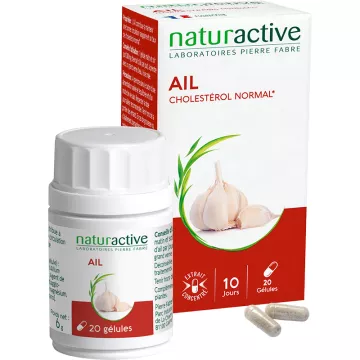
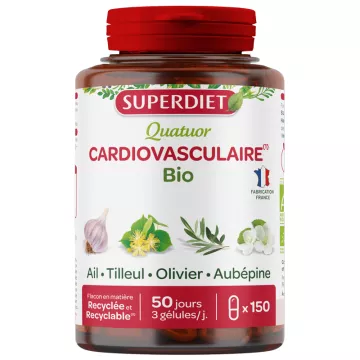
Several supplements can help improve blood circulation. Garlic, known for its anti-inflammatory properties and its role in reducing platelet aggregation, can help improve circulation. Ginkgo biloba is often used for its effects on widening blood vessels and improving blood flow, particularly to the brain. In addition, flavonoids, such as those found in cocoa and green tea, can also contribute to better vascular health. However, it is essential to consult a healthcare professional before starting a supplement regimen to ensure that the supplements are necessary and safe for you, given your overall health.