Flavonoids are polyphenolic compounds naturally found in plants, fruits, vegetables, and plant-based beverages. They constitute the largest family of plant pigments—with over 6,000 identified structures—and possess antioxidant, vasoprotective, and immunomodulatory properties that make them key active ingredients in health nutrition. Explore our range of natural antioxidants.
What are flavonoids?
Flavonoids share a basic polyphenolic structure (C6-C3-C6 skeleton) that gives them their ability to neutralize free radicals. They are classified into six subfamilies based on their chemical structure, each with distinct dietary sources and biological properties. Their color is the simplest indicator of their flavonoid content: the more pigmented a food is (red, orange, purple, dark green), the more likely it is to be rich in flavonoids.
What are the families of flavonoids?
The flavonoid family consists of six subfamilies, each with specific sources and uses.
- Flavonols (quercetin, kaempferol): powerful antioxidants — onions, apples, tea, grapes
- Flavanols (catechins, epicatechins): vasoprotective and antioxidant effects—green tea, dark chocolate ≥ 70%, grape pomace
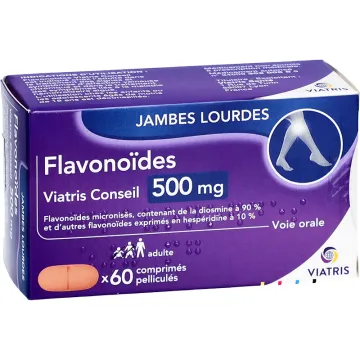
- Flavanones (hesperidin, naringenin): citrus bioflavonoids — protect blood vessels and capillaries
- Anthocyanins: pigments found in red fruits and berries—blueberries, blackberries, black currants—support vision and cerebral microcirculation
- Flavones (apigenin, luteolin): soothing effects — parsley, celery, chamomile
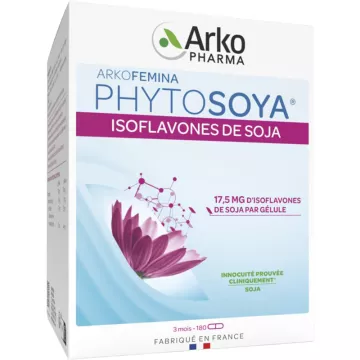
- Isoflavones: found in soy and legumes — phytoestrogenic effects; use with caution in individuals with a history of hormone-dependent conditions
Flavonoids and Cardiovascular Health?
Flavonoids have a documented effect on vascular health through several mechanisms.
- They strengthen the integrity of capillary walls, which is beneficial for heavy legs and vascular fragility
- They help protect blood lipids from oxidation (formation of atherosclerotic plaques)
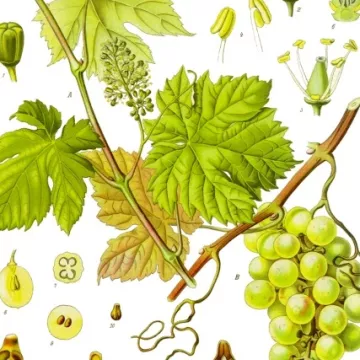
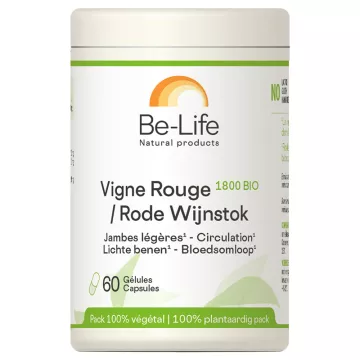
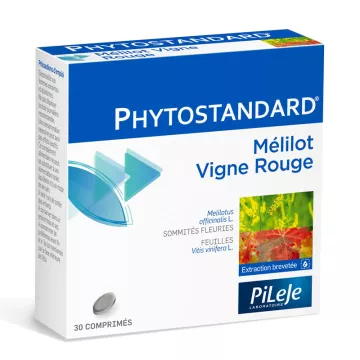
- Grape polyphenols (OPC, proanthocyanidins) and resveratrol are the most extensively studied compounds for vascular health
- Certain flavanols (cocoa, green tea) contribute to vasodilation and the maintenance of normal blood pressure
Flavonoids and cellular protection?
Flavonoids act as broad-spectrum antioxidants, complementing vitamins C and E.
- Depending on the family, they scavenge free radicals in both aqueous and lipid compartments
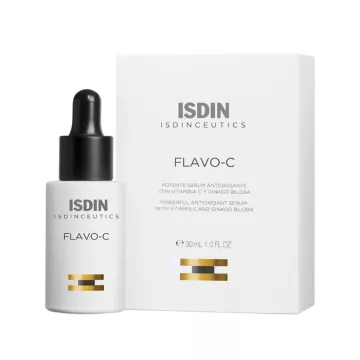
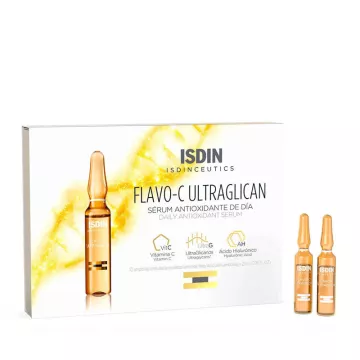
- They regenerate vitamin C and contribute to its prolonged antioxidant effect
- Ginkgo biloba, rich in flavonoids (ginkgolides, bilobalide), is known for supporting microcirculation and cognitive function
- Flavonoids modulate the cellular signaling pathways involved in the immune response
Where can flavonoids be found in the diet?
Flavonoids are found in nearly all colorful plant-based foods.
- Red fruits and berries: blueberries, strawberries, raspberries, blackberries, blackcurrants (anthocyanins)
- Citrus fruits: oranges, grapefruits, lemons — bioflavonoids (hesperidin, naringenin)
- Green tea: catechins, EGCG — among the most extensively studied flavonoids
- Onions and garlic: quercetin, kaempferol in high concentrations
- Black grapes and red wine: resveratrol, proanthocyanidins
- Dark chocolate ≥ 70%: flavanols (catechins, epicatechins)
Flavonoid supplements: precautions?
Concentrated flavonoid extracts are widely available but require some precautions when used.
- Ginkgo biloba: documented blood thinner—contraindicated with anticoagulants and before surgery
- High-dosegreen tea catechins: may reduce the absorption of non-heme iron—take them away from iron-rich meals
- Soy isoflavones: use with caution in people with a history of or at risk for hormone-dependent cancers—medical advice recommended
- Flavonoids may interact with certain medications (cyclosporine, warfarin, certain chemotherapy drugs)—inform your doctor
- Choose standardized extracts (guaranteed percentage of active ingredients) over unstandardized formulations