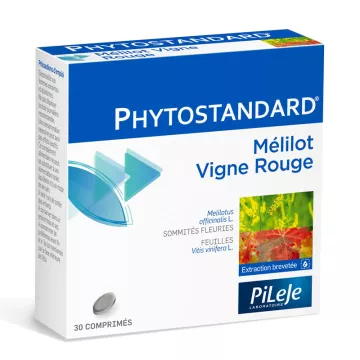
Bioflavonoids are plant-derived phenolic compounds belonging to the flavonoid family. Found in abundance in colorful fruits, vegetables, and plants, they have powerful antioxidant properties and help protect blood vessels and skin tissue. They are among the most extensively studied polyphenols in the field of nutritional health.
What are bioflavonoids?
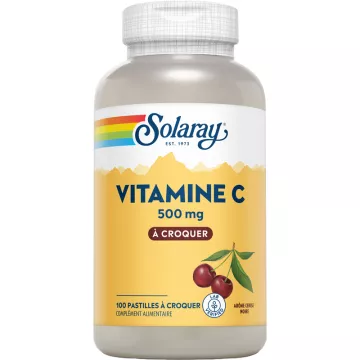
Bioflavonoids comprise several subfamilies of flavonoids: flavones, flavonols, flavanones, isoflavones, anthocyanins, and catechins. Their polyphenolic structure gives them the ability to neutralize free radicals and chelate certain pro-oxidant metals. They often enhance the action of vitamin C by protecting it from oxidative degradation—which is why vitamin C supplements frequently combine citrus bioflavonoids with ascorbic acid. See our range of antioxidants.
What are the antioxidant benefits of bioflavonoids?
The antioxidant action of bioflavonoids is their most scientifically documented property.
- They neutralize free radicals and limit cellular oxidative stress
- They help protect membrane lipids against peroxidation
- Certain flavonoids (quercetin, resveratrol) are among the most potent plant-based antioxidants—see quercetin and resveratrol
- They act synergistically with other antioxidants: coenzyme Q10, lutein, and carotenoids
Bioflavonoids and circulation: what role do they play?
Bioflavonoids are known for their effects on the resistance and permeability of blood vessel walls.
- They help maintain the integrity of capillary walls, reducing their fragility
- Olive flavonoids (oleuropein) are being studied for their role in cardiovascular health
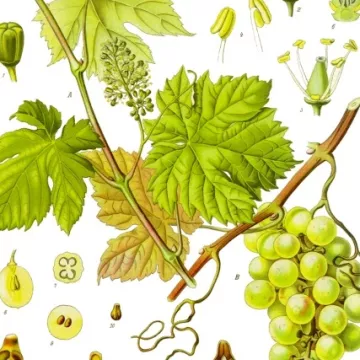
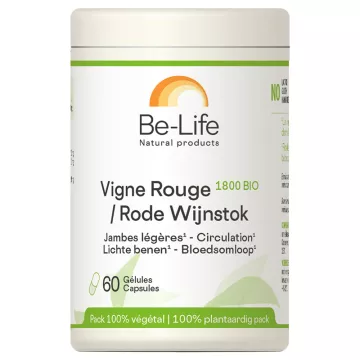
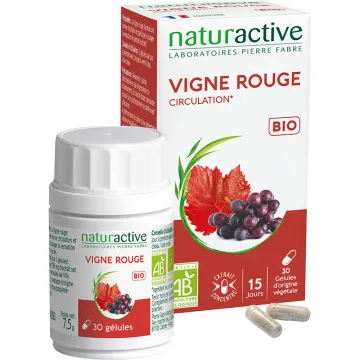
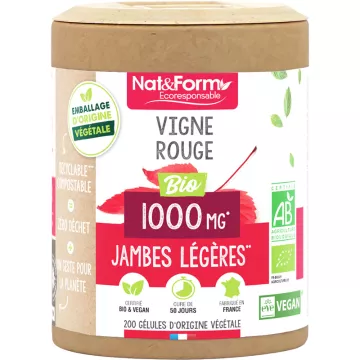
- Grape polyphenols help support vascular tone
- They help protect blood vessel walls against the oxidation of circulating lipids
Bioflavonoids and the skin: what are the benefits?
Through their antioxidant action, bioflavonoids help protect the skin and maintain its quality.
- They protect skin cells from oxidative stress caused by UV rays and pollution
- They help maintainskin elasticity by protecting collagen and elastin fibers from oxidative degradation
- Certain bioflavonoids (anthocyanins, viniferin) are being studied for their effects on evening out skin tone
- Soothing effect on redness and skin irritation caused by oxidative stress
Where can you find bioflavonoids in your diet?
Bioflavonoids are found in highly pigmented plant foods —their color is often an indicator of their flavonoid content.
- Citrus fruits: oranges, lemons, grapefruits—hesperidin and naringenin in the white pith
- Berries: blueberries, blackberries, raspberries, blackcurrants — rich in anthocyanins
- Onions and garlic: high concentrations of quercetin and kaempferol
- Green tea: catechins (EGCG), among the most extensively studied flavonoids
- Black grapes and grape pomace: resveratrol, proanthocyanidins—see grape pomace
- Broccoli, bell peppers, parsley: various complementary sources
Bioflavonoid supplements: how should they be used?
Bioflavonoid supplementation is appropriate for people with increased needs or insufficient dietary intake.
- No official RDA (Recommended Daily Allowance)—dosages vary depending on the specific flavonoid
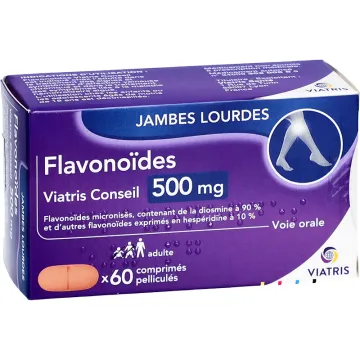
- Citrus bioflavonoids: 500 mg to 1 g per day, often combined with vitamin C
- Best taken with a meal for better absorption
- Combination formulas (bioflavonoids + vitamin C + lycopene + carotenoids) provide broad antioxidant coverage
- Possible interactions with certain medications (anticoagulants, immunosuppressants)—be sure to inform your doctor