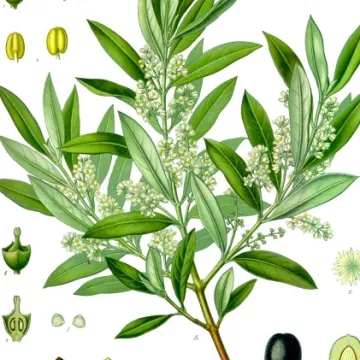
Theolive leaf (Olea europaea) is one of the most well-documented medicinal plants for cardiovascular health. Its main active compounds are:
Oxidized LDL cholesterol is specifically targeted by oleuropein and hydroxytyrosol, which inhibit its lipid peroxidation—one of the key steps in the formation of atherosclerotic plaques.
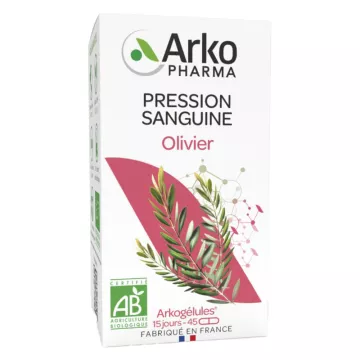
The antihypertensive effect of olive leaf extract is the best-documented benefit. Oleuropein acts by inhibiting ACE (a mechanism similar to that of pharmaceutical ACE inhibitors) and through direct vasodilation. A randomized controlled trial (Phytomedicine, 2011) showed a reduction of -11 mmHg in systolic blood pressure and -4.8 mmHg in diastolic blood pressure after 8 weeks of taking 500 mg/day of standardized extract. Mild to moderatehypertension is the primary indication—olive leaf does not replace antihypertensive medication prescribed for severe hypertension. Capsules standardized for oleuropein are the most standardized form for this indication.
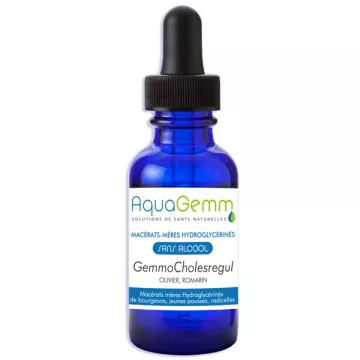
Oleuropein inhibits intestinal α-glucosidase (an enzyme that breaks down starch into glucose) and improves insulin sensitivity in preclinical studies. This mild hypoglycemic effect has been documented in preliminary studies on healthy prediabetic volunteers. The olive tree is therefore a potentially beneficial supplement for regulating postprandial blood sugar levels —though it should never be used as a substitute for prescribed antidiabetic treatment. The Olive + Rosemary gemmotherapy macerate simultaneously targets cholesterol, triglycerides, and hepatic lipid metabolism.
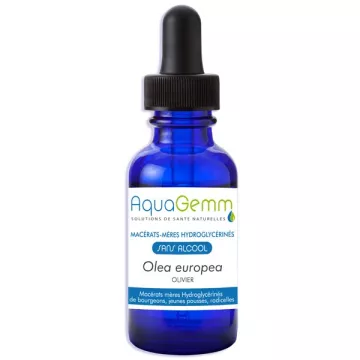
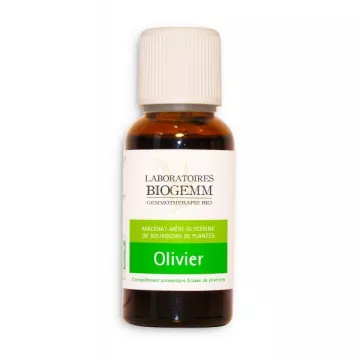
Olive tree buds (1DH glycerin macerate) are considered to have higher concentrations of growth factors, oleuropein, and active meristems than mature leaves. Gemmotherapy formulas combining several buds harness specific synergies: Hawthorn + Olive + Fig (blood pressure + anxiety + blood sugar), Olive + Rosemary (cholesterol + liver), Linden + Birch + Olive (sleep + stress).Hawthorn is the plant most often combined with olive in gemmotherapy for cardiovascular regulation—their synergy is particularly well-suited for individuals with anxiety and high blood pressure.
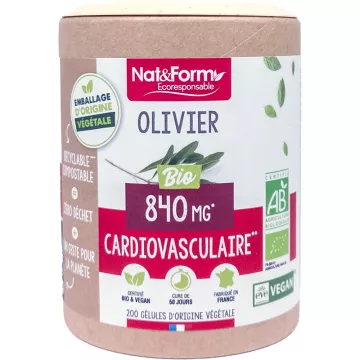
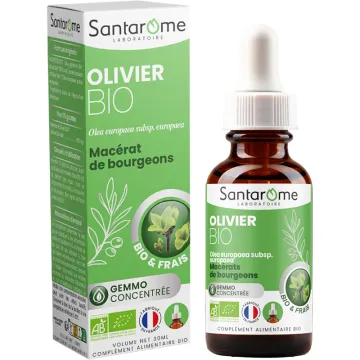
Olive is available as a herbal tea (1 tablespoon of leaves per 250 ml of simmering water, 10–15 minutes, 2 to 3 cups per day), as an alcohol-free glycerin-based EFG extract, in oleuropein-standardized capsules, and as a bud macerate. The recommended course of treatment is at least 3 to 6 months for lasting effects. The main precautions are: potential interaction with antihypertensives and antidiabetic medications (additive effect, risk of hypotension or hypoglycemia), and it is not recommended during pregnancy.Garlic (Allium sativum) is often combined with olive in phytotherapeutic cardiovascular regimens—their combination has a synergistic effect on blood pressure, cholesterol, and the prevention of atherosclerosis.
Olive leaf naturally fits into a comprehensive cardiovascular prevention approach alongside other well-documented plants and nutrients. It acts simultaneously on several risk factors: blood pressure (oleuropein, ACE inhibitor), oxidized LDL cholesterol (hydroxytyrosol, antioxidant), postprandial blood glucose (α-glucosidase inhibitor), and vascular inflammation (anti-inflammatory polyphenols). Omega-3s (EPA + DHA) complement the olive tree’s benefits for cardiovascular health—they reduce triglycerides, exert an antiplatelet effect, and have a documented antiarrhythmic action, filling in mechanisms not directly covered by the olive tree. The combination of olive, garlic, and omega-3 is one of the most comprehensive phytotherapeutic regimens for natural cardiovascular prevention.