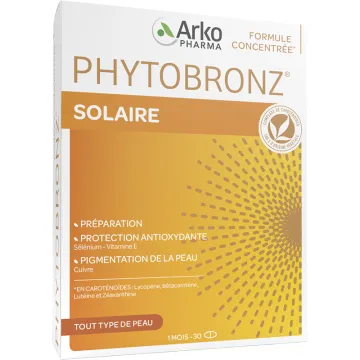
Lycopene is a carotenoid in the carotene family, responsible for the red color of tomatoes, watermelon, and pink grapefruit. It is one of nature’s most powerful fat-soluble antioxidants —its ability to neutralize free radicals is greater than that of beta-carotene. It is found primarily in the prostate, liver, adrenal glands, and skin.
What is lycopene?
Lycopene (C₄₀H₅₆) is an acyclic carotene—unlike beta-carotene, it is not a precursor to vitamin A. Its antioxidant action is based on its polyunsaturated structure, which allows it to deactivate singlet oxygen, a reactive species that is particularly harmful to cell membranes. Its concentration in foods depends on the variety, ripeness, and method of preparation. The human body cannot synthesize it—a regular intake through diet or supplementation is necessary.
What are the health benefits of lycopene?
Lycopene is being studied for its effects on several aspects of health.
- Cardiovascular health: It protects blood lipids from oxidation, helping to protect blood vessel walls—in synergy with polyphenols and vitamin C
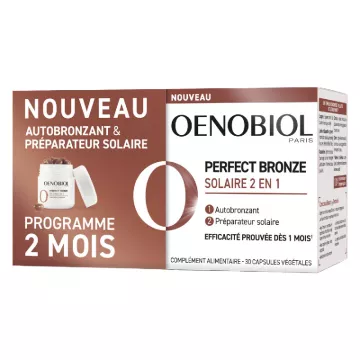
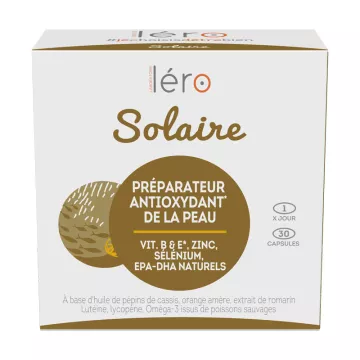
- Skin protection: It accumulates in the skin and helps protect against UV-induced oxidative stress—supporting internal sun protection
- Eye health: Studies link high plasma levels of lycopene to improved macular health—as a complement to lutein
- Prostate support: The prostate concentrates lycopene at particularly high levels—a topic extensively studied in men’s health
- General cellular antioxidant: contributes to the antioxidant network along with vitamin E and resveratrol
Where can lycopene be found in the diet?
Lycopene is found in red-colored plant foods.
- Tomatoes and tomato products: sauce, paste, juice—the most concentrated sources (15 mg/100 g of tomato sauce)
- Watermelon: 4 to 5 mg per 100 g
- Pink grapefruit: 1.5 to 3 mg per 100 g
- Guava, papaya: 5 to 7 mg/100 g
- Red bell peppers: lower levels
- A glass of tomato juice (250 ml) provides about 20 mg of lycopene—an ideal source for meeting daily intake recommendations
How can you optimize lycopene absorption?
Lycopene is fat-soluble and exists in plant cells in two forms— cooking and dietary fats are the two most important factors affecting its bioavailability.
- Beneficial cooking: Heat breaks down cell walls and converts lycopene from the trans form (less absorbable) to the cis form—a simmered tomato sauce provides more bioavailable lycopene than a raw tomato
- Combination with fats: olive oil, avocado, nuts and seeds—lycopene absorption increases two- to fourfold in the presence of fats
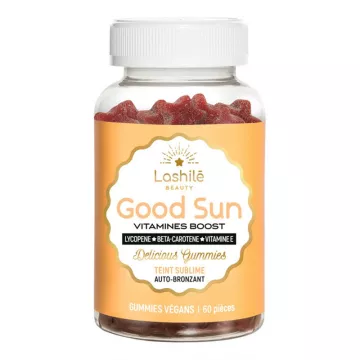
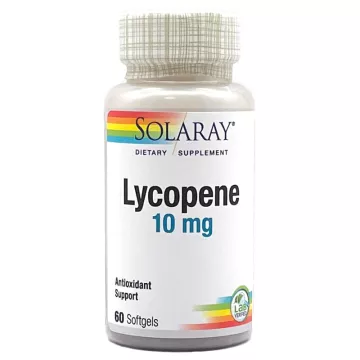
- As a supplement: capsules containing lycopene extracted from tomatoes, to be taken with a meal containing fats
- Choose natural tomato extracts (LycoRed®, Lyc-O-Mato®) standardized for lycopene
Lycopene and male fertility?
The prostate and sperm are among the tissues most sensitive to oxidative stress —lycopene is naturally concentrated in these tissues.
- Studies link regular lycopene intake to improved sperm quality (concentration, motility)
- Its antioxidant action protects sperm DNA from oxidative damage
- Should be combined with vitamin C, vitamin E, and zinc in male fertility support formulas
- Recommended intake in this context: 10 to 20 mg/day through diet and supplementation
Lycopene supplements: dosage and precautions?
Supplementation is appropriate for individuals with a low dietary intake of red fruits and vegetables.
- Usual dosage: 10 to 20 mg/day of standardized lycopene
- Take with a meal containing fat—softgels with vegetable oil offer the best bioavailability
- In excess (>75 mg/day): lycopenoderma (orange-red discoloration of the skin, reversible)—harmless
- Mild digestive upset possible at high doses
- People taking anticoagulants or blood pressure medications: Inform your doctor before starting supplementation