What are the signs of poor circulation, and how can you recognize them?
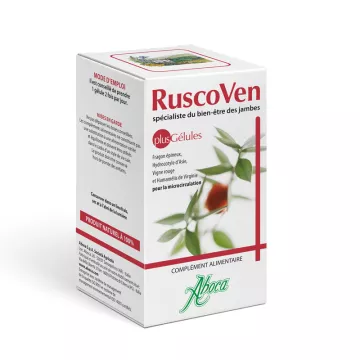
Blood circulation delivers oxygen and nutrients to all the body’s cells while removing metabolic waste. Poor circulation manifests through various clinical signs that may indicate a venous, arterial, or lymphatic disorder. Circulatory support products are available in the shop’s “heavy legs ” and “venous circulation ” sections.
- Venous signs: heavy, painful, and swollen legs at the end of the day — varicose veins — swollen ankles — fatigue in the lower limbs when standing — see venous circulation
- Arterial signs: cold extremities (fingers, toes) — Raynaud’s syndrome — intermittent claudication (pain while walking that is relieved by rest) — pale or marbled skin — see Raynaud’s syndrome
- Lymphatic signs: persistent limb swelling (different from venous edema—primarily affects the top of the foot)—feeling of tightness or heaviness—lymphedema often secondary to surgery or radiation therapy
- When to see a doctor: sudden, one-sided calf pain + swelling (suspected phlebitis) — pain in a limb at rest accompanied by pallor (acute ischemia — call 15) — varicose veins with ulcers — rapidly developing unilateral edema
What factors contribute to poor circulation and how can they be corrected?
- Sedentary lifestyle: Skeletal muscle is the primary venous pump in the lower extremities—walking activates the muscular pump and venous return—30 minutes of daily walking is the most effective measure for circulation
- Smoking (Tobacco Info Service: 3989): nicotine is a vasoconstrictor — LDL oxidation → atherosclerosis — arteritis of the lower extremities — quitting = the first measurable circulatory benefit within a few weeks
- Obesity and a sedentary lifestyle: venous hypertension in the lower extremities—abdominal excess weight compresses the iliac veins and impedes venous return
- Dehydration: increases blood viscosity and reduces blood flow—1.5 to 2 L of water per day—particularly important in hot weather and during physical activity
- Poor posture and prolonged standing or sitting: prolonged sitting without moving (< 30 min break recommended every hour) — crossing your legs compresses the popliteal veins — slightly elevate your legs while resting
What natural supplements can support and improve circulation?
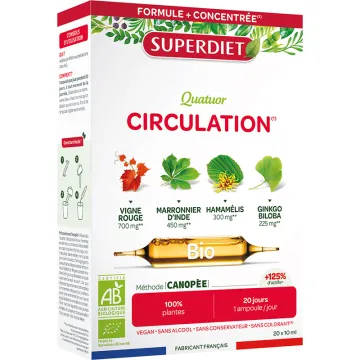
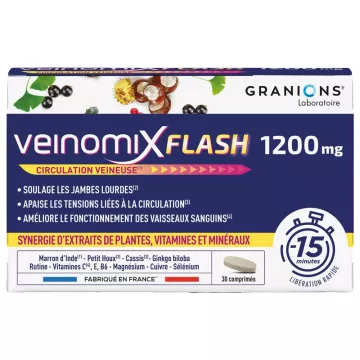
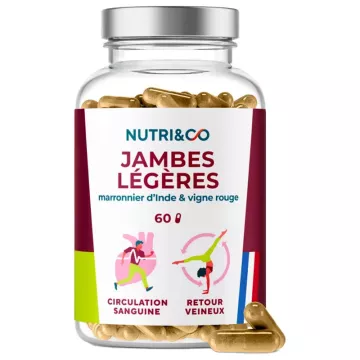
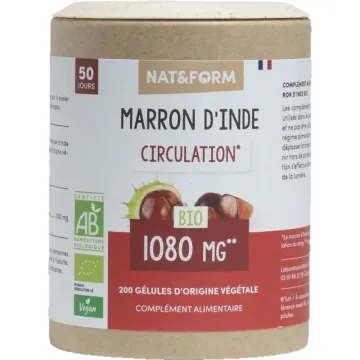
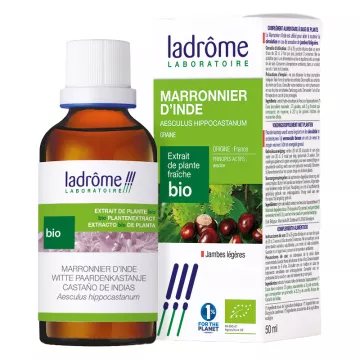
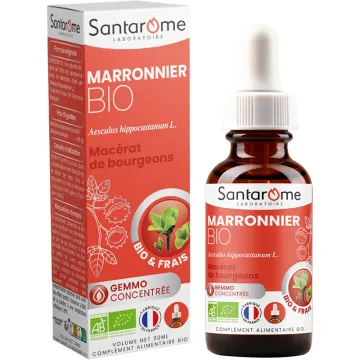
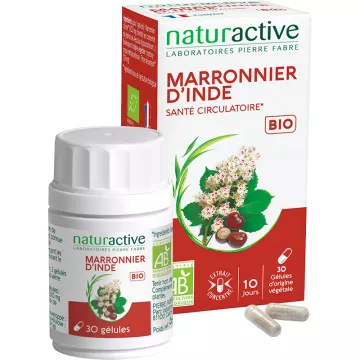
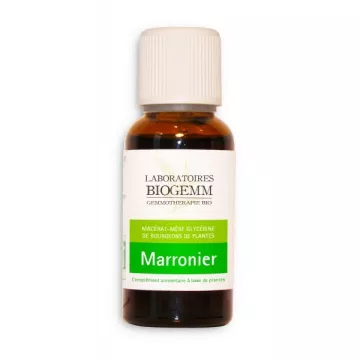
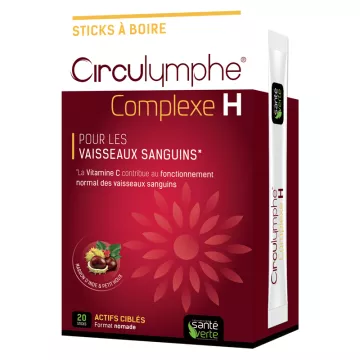
- Aescin (horse chestnut): vein-tonic and anti-edematous — reduces capillary permeability — well-established clinical efficacy (EMA) for chronic venous insufficiency — use with caution if on anticoagulant therapy (consult a doctor)
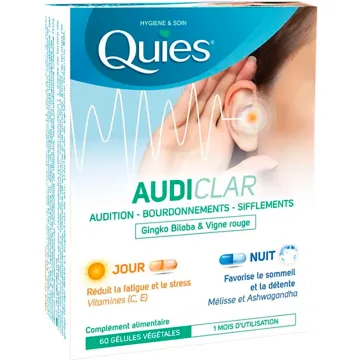
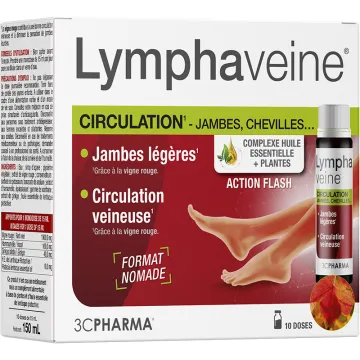
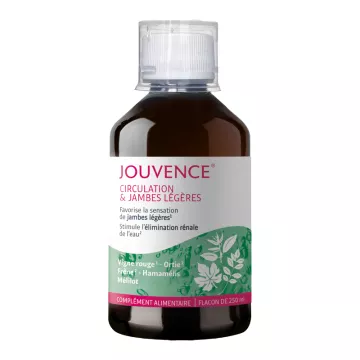
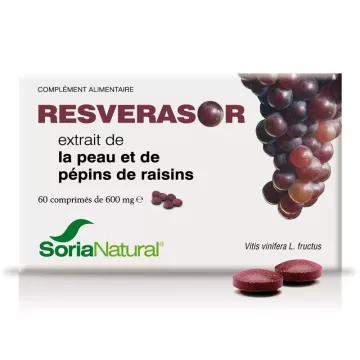
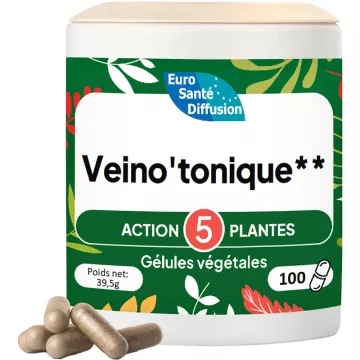
- Red vine: vasoprotective OPCs — improves venous tone and reduces edema — well-established EMA — supports heavy legs
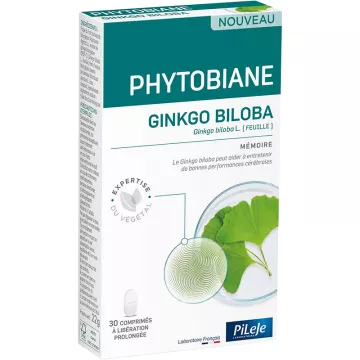
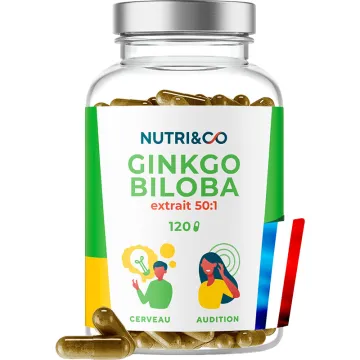
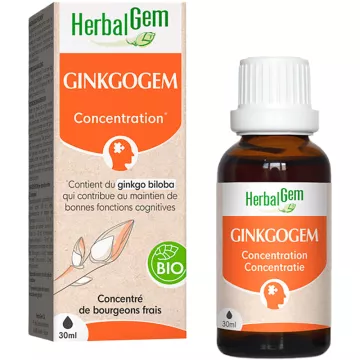
- Ginkgo biloba: improves peripheral and cerebral microcirculation — inhibits platelet aggregation — documented effectiveness on walking distance in mild arterial disease — contraindicated with anticoagulants and antiplatelet agents
- Omega-3 EPA-DHA: improves red blood cell deformability — reduces blood viscosity — vascular anti-inflammatory — 2 to 3 g/day
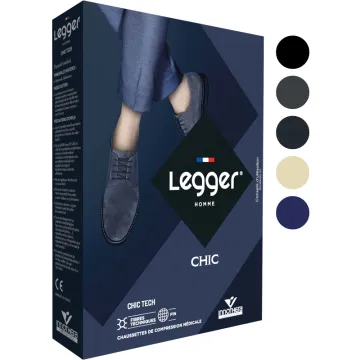
- Lymphatic drainage and compression therapy: lymphatic massage or effleurage from the ankles upward on the lower extremities — Class 1 compression stockings (prevention) or Class 2–3 (venous insufficiency) as prescribed — overall blood circulation — never in cases of active phlebitis or arterial ischemia (absolute contraindication)