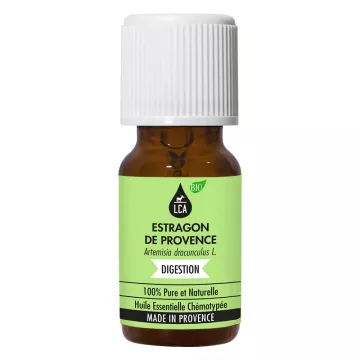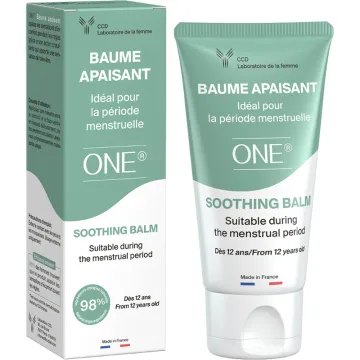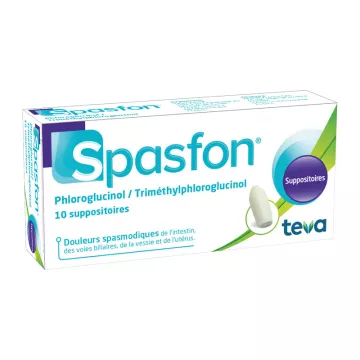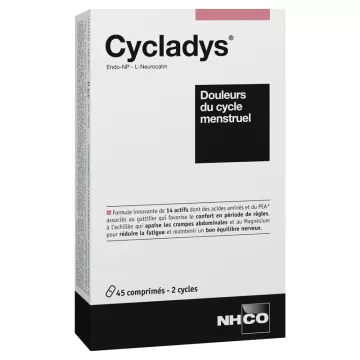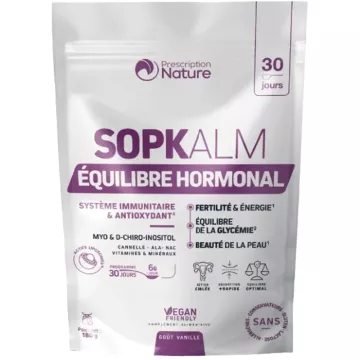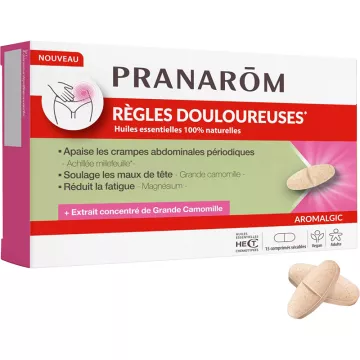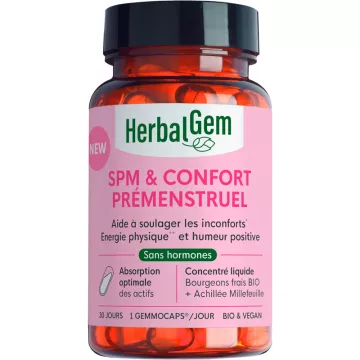






Dysmenorrhea —or painful periods—is primarily caused by uterine contractions triggered by prostaglandins, lipid compounds that induce inflammation and pain. The higher their levels, the more intense and painful the contractions are. Underlying gynecological conditions—such as endometriosis, uterine fibroids, and adenomyosis—can exacerbate this pain and should be investigated when dysmenorrhea is severe or resistant to standard treatments.
Applying heat to the lower abdomen—using a hot water bottle or heating pad—relaxes the uterine muscles and effectively relieves pain. Gentle physical activity such as yoga or walking releases endorphins, natural painkillers that alleviate cramps. Drinking enough water, maintaining an anti-inflammatory diet, and practicing relaxation techniques—such as meditation and deep breathing—reduce the intensity of symptoms. Omega-3s play a key role in modulating pro-inflammatory prostaglandins.
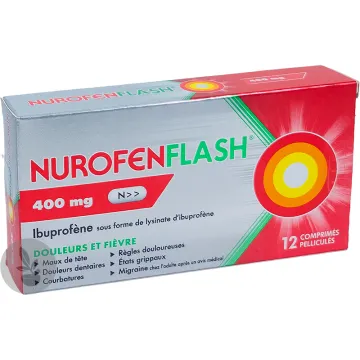
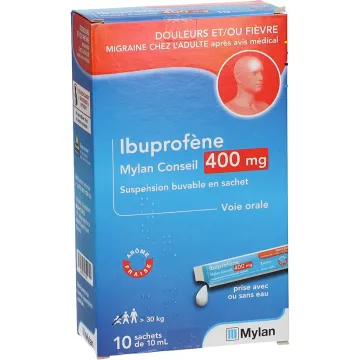
Yes. Nonsteroidal anti-inflammatory drugs (NSAIDs) such as ibuprofen directly inhibit prostaglandin synthesis and are the standard pharmacological treatment. They are most effective when taken at the first signs of pain. Their use should be guided by a healthcare provider, particularly in cases of digestive disorders, asthma, or other ongoing treatments. If relief is insufficient, a consultation is necessary to explore additional options.
Certain foods have a direct anti-inflammatory effect on cramps. Flaxseeds and fatty fish provide omega-3 fatty acids, which limit prostaglandin production. Magnesium —found in spinach, almonds, and bananas—relaxes the uterine muscle fibers. Calcium from dairy products and green vegetables reduces spasms. Conversely, refined sugars and saturated fats increase inflammation and should be limited during your period.
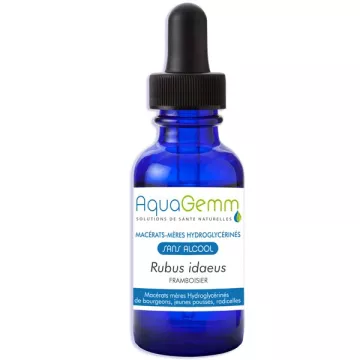
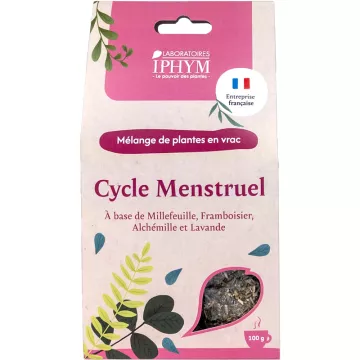
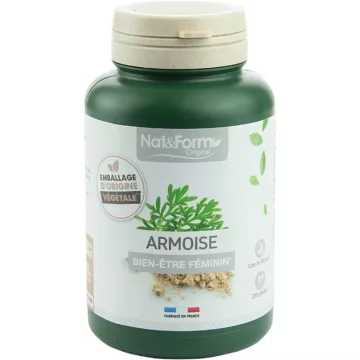
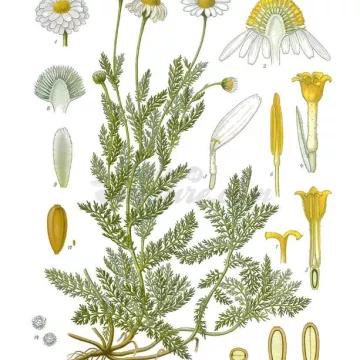
Yes. When drunk hot, they combine the soothing effect of heat with targeted pharmacological properties. Chamomile relaxes smooth muscles and eases cramps. Ginger inhibits prostaglandin synthesis and reduces inflammation. Peppermint reduces muscle spasms thanks to menthol. Red raspberry leaf tones the uterus and can alleviate menstrual cramps.
Yes.Acupuncture has been recognized for its effects on menstrual pain in several clinical studies. It works by stimulating specific points that modulate pain transmission and reduce local inflammation. Its effectiveness is comparable to that of NSAIDs in some studies, with the added benefit of no gastrointestinal side effects. It fits well into a complementary approach for women who wish to reduce their reliance on medication.
Pain varies depending on the phase of the cycle due to hormonal fluctuations. Prostaglandin levels peak just before and at the start of menstruation, which explains why pain is most intense at that time. Understanding your cycle allows you to anticipate these painful episodes and take preventive measures—such as applying heat, taking anti-inflammatory medications, or using herbal remedies—before symptoms appear, which increases their effectiveness.
A doctor’s visit is necessary when menstrual pain interferes with daily activities, does not respond to standard pain relievers, or gradually worsens from one cycle to the next. These signs may indicate endometriosis, fibroids, or adenomyosis, all of which require specialized care. Any sudden change in pain—whether in intensity or location—also warrants a prompt gynecological evaluation.