What causes gum irritation, and how can you recognize it?
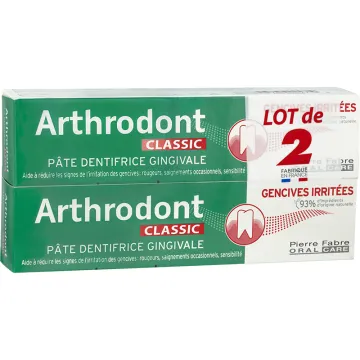
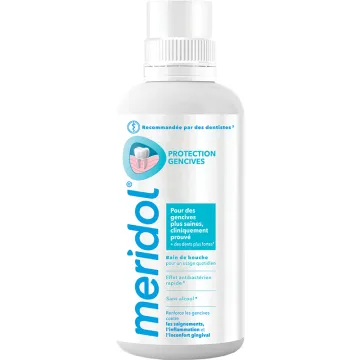
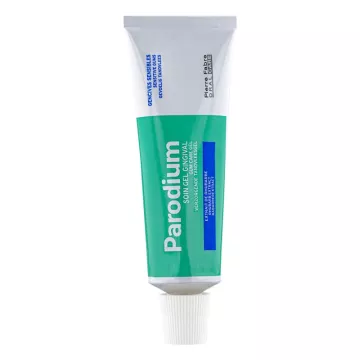
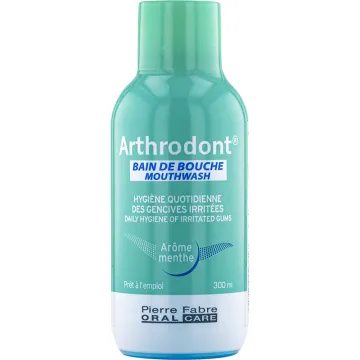
Irritated gums are characterized by inflammation of the marginal gum tissue, which can range from mild sensitivity to touch to spontaneous pain and repeated bleeding. The direct cause is almost always dental plaque—this bacterial biofilm, which reforms within 24 to 48 hours on unbrushed surfaces, releases endotoxins that trigger the inflammatory response in the gums. Gum care andoral hygiene products are available in the store.
- Symptoms of gum irritation: red gums (normally coral pink)—swollen and painful to the touch— bleeding when brushing or flossing (never normal)—persistent bad breath —bitter or metallic taste in the mouth—gums that are beginning to recede
- Causes and aggravating factors: unremoved plaque (main cause) — subgingival tartar (calcified plaque that only a dentist can remove) — tobacco use (vasoconstriction masks bleeding but worsens underlying inflammation) — poorly controlled diabetes (local immunosuppression) — pregnancy (pregnancy gingivitis — inflammatory overreaction to hormones) — stress (immunosuppression + bruxism) — vitamin C deficiency (weakened gingival collagen)
- Irritated gums vs. gingivitis vs. periodontitis: transient irritation (mechanical cause or temporary irritant — resolves with proper oral hygiene) → gingivitis (reversible chronic inflammation — treatment with oral hygiene and scaling) → periodontitis (irreversible bone destruction — professional treatment required)
- Pregnancy and gums: 35 to 70% of pregnant women develop pregnancy gingivitis in the first trimester — estrogen and progesterone exacerbate the inflammatory response to plaque — resolves after childbirth with rigorous oral hygiene — require special monitoring during pregnancy
How to relieve and treat irritated gums?
Treatment for irritated gums begins with addressing the cause: if plaque is the cause, thorough brushing and daily flossing are often sufficient to resolve mild irritation within 7 to 14 days. For tartar, only professional scaling is effective—no at-home product can remove it. Antiseptic mouthwashes (0.12% chlorhexidine) used in short courses reduce the bacterial load and speed up the resolution of inflammation.
- Soothing natural remedies: propolis gum spray (antibacterial and anti-inflammatory effects documented against gum bacteria) — aloe vera gel applied directly to the gums (immediate relief, supports mucosal healing) — warm saltwater rinse (3 to 4 times a day — mild anti-inflammatory and cleansing) — coconut oil for oil pulling (10 minutes in the morning — reduces bacterial load)
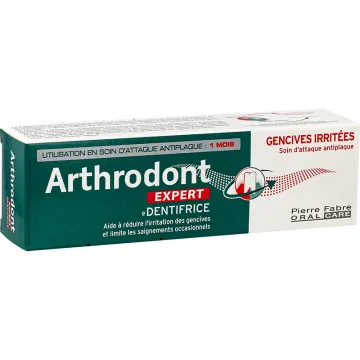
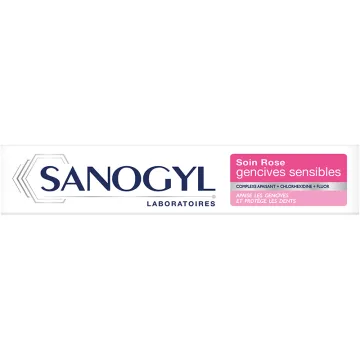
- Products to prioritize for irritated gums: SLS-free toothpaste (sodium lauryl sulfate irritates weakened mucous membranes) — alcohol-free — containing aloe vera, allantoin, or bisabolol — interdental brushes with ultra-soft bristles — products for sensitive gums are suitable
- Anti-inflammatory diet: vitamin C (citrus fruits, kiwi, bell peppers — an essential cofactor for gingival collagen) — omega-3 (fatty fish — reduce gum inflammation in clinical studies) — avoid sugars between meals (they directly feed S. mutans) — stay well-hydrated (maintains protective saliva flow)
- Irritated Gums and Quality of Life: Recurrent bleeding, bad breath, and painful gums impact social interactions and self-confidence — prompt treatment restores not only gum health but also daily comfort — untreated chronic gum irritation progresses to more severe stages
How can you prevent recurrences and protect your gums long-term?
Preventing recurrence relies on consistency—not on occasional, intense efforts. Gums that have become inflamed once are potentially more reactive to future exposure to plaque. Maintaining a flawless daily routine is the only effective long-term protection. Brushing alone is not enough—40% of tooth surfaces are inaccessible to a toothbrush, and the spaces between teeth are the primary site where recurrent gingivitis begins.
- Comprehensive preventive routine: Brush teeth twice a day with a soft-bristled toothbrush using the Bass technique — Use interdental brushes or dental floss once a day in the evening — Use a tongue scraper every morning — Use an appropriate mouthwash (alcohol-free, with propolis or diluted chlorhexidine as needed) — professional scaling 1 to 2 times a year
- Quitting smoking: improves the gum’s response within a few weeks — normalizes blood flow (bleeding masked by vasoconstriction temporarily reappears upon quitting — this is a sign of healing, not a worsening) — significantly reduces the risk of recurrence
- Signs that warrant a visit to the dentist: irritation that does not subside after 14 days of rigorous oral hygiene — spontaneous bleeding without brushing — visibly receding gums — tooth mobility — these signs indicate a more serious condition than simple surface irritation