Why do gums bleed, and what causes it?
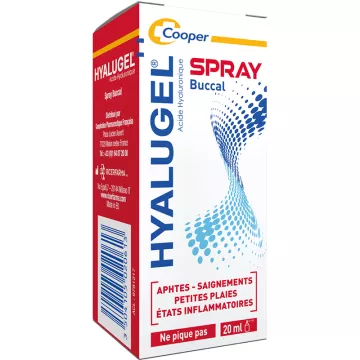
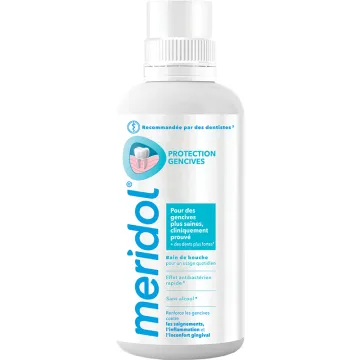
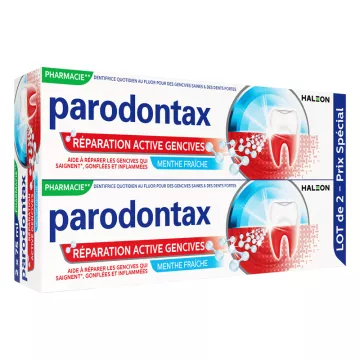
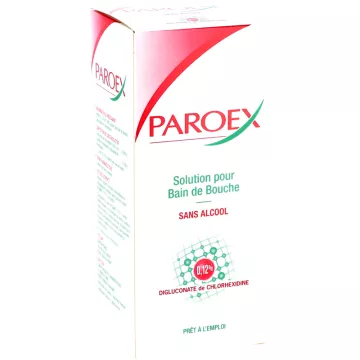
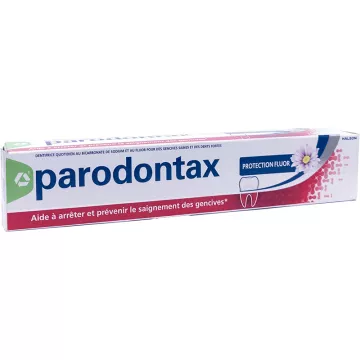
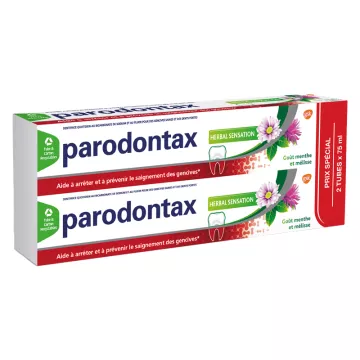
Bleeding gums indicate fragility or inflammation of the gum tissue—its capillaries rupture under even light pressure (such as from brushing or flossing). In the vast majority of cases, this is a sign of gingivitis (a reversible stage) or periodontitis (a more advanced stage). Early dental treatment is essential to prevent the condition from progressing. Oral care products are available in the mouthwash and dental care sections of the store.
- Gingivitis: accumulation of dental plaque (bacterial biofilm) along the gum line → local inflammation → red, swollen gums that bleed at the slightest touch—reversible with proper oral hygiene and professional scaling
- Periodontitis: untreated gingivitis → progressive destruction of the alveolar bone and periodontal ligament → gum recession, tooth mobility — requires specialized periodontal care
- Common aggravating factors: overly aggressive brushing (hard-bristled toothbrush) — improper flossing — smoking (reduces blood flow to the gums and masks inflammation — smokers paradoxically bleed less, but the lesions are deeper) — pregnancy and menopause (hormonal changes) — poorly controlled diabetes (increased susceptibility to gum infections)
- Medications that may contribute to gum bleeding: anticoagulants (warfarin, AOD) — antiplatelet agents (aspirin) — certain antihypertensives (calcium channel blockers — gingival hyperplasia) — antiepileptic drugs (phenytoin) — report any unusual gum bleeding to your doctor or dentist
- Nutritional deficiencies: vitamin C deficiency (scurvy—severe fragility of the gingival capillaries)—vitamin K deficiency (coagulation disorder)
What natural remedies can relieve bleeding gums?
- Propolis: antibacterial and anti-inflammatory flavonoids — as a spray or mouthwash — forms a protective film on the gum tissue — reduces pathogenic bacteria in plaque — allergy to bee products: contraindicated
- Sea salt rinse: warm water + 1/2 teaspoon of salt — anti-inflammatory osmotic effect — reduces gum swelling — 2 to 3 times a day — does not replace brushing
- Coconut oil (oil pulling): Gargle with virgin coconut oil for 10–20 minutes on an empty stomach — lauric acid has antimicrobial properties — reduction in plaque and gingival index documented in several studies — do not swallow
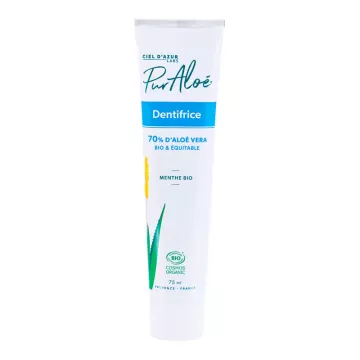
- Aloe vera gel: soothing and anti-inflammatory — apply directly to the gums — relieves gum sensitivity and promotes mucosal healing
- Chamomile tea as a mouthwash: anti-inflammatory apigenin — relieves gum irritation — use cooled to avoid vasodilation
What foods and supplements support healthy gums?
- Vitamin C: an essential cofactor for gingival collagen synthesis — strengthens capillary walls — 500 to 1,000 mg/day — citrus fruits, kiwi, bell peppers, black currants, parsley — deficiency → scurvy-related gingivitis
- Bioflavonoids (rutin, hesperidin): enhance the action of vitamin C — reduce fragility and permeability of gingival capillaries
- Vitamin D3: anti-inflammatory and immune-modulating properties — deficiency associated with periodontitis — 1,000 to 2,000 IU/day
- Calcium and zinc: maintain alveolar bone mineralization—support mucosal healing
- Limit: refined sugars (feed pathogenic bacteria in dental plaque)—tobacco (Tobacco Info Service: 3989) — alcohol (dries out the mucosa) — consult a dentist if bleeding persists for more than 2 weeks despite thorough oral hygiene