What is gum sensitivity, and what causes it?
Gum sensitivity (gingival hypersensitivity) refers to a painful or uncomfortable reaction of the gums to stimuli that are usually well tolerated—such as brushing, flossing, hot or cold temperatures, and acidic foods. It can be temporary (after a scaling or teeth whitening) or become a long-term condition, in which case it may indicate a gum disease that needs to be evaluated. Products for sensitive gums are available in the oral hygiene line and among the mouthwashes in the store.
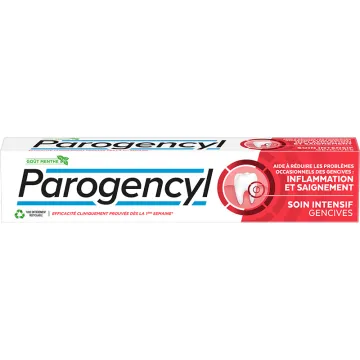
- Gingivitis and periodontitis: bacterial inflammation of the gum tissue (gingivitis) is the leading cause of sensitivity—progression to periodontitis affects the ligament and alveolar bone— irritated and bleeding gums when brushing: a warning sign that should not be ignored
- Aggressive brushing technique: hard-bristled toothbrush, excessive pressure, vigorous horizontal movements—abrasion of the cervical enamel and progressive gum recession
- Plaque and tartar buildup: Unremoved bacterial plaque mineralizes into tartar, irritates the gingival sulcus, and perpetuates inflammation—rigorous oral hygiene is the first line of defense
- Aggravating factors: acidic and sugary foods (low oral pH promotes gum irritation) — bruxism — malocclusion — hormonal changes (pregnancy, menopause) — smoking (masks inflammation) — xerostomia (dry mouth)
- Gingival recession: retreat of the gum tissue exposing the tooth root — associated dentin tubule hypersensitivity — periodontal evaluation is essential
How can gum sensitivity be prevented and treated?
Prevention begins with correcting oral hygiene habits—an extra-soft-bristled toothbrush and the modified Bass technique (circular or sulcus movements) significantly reduce gum trauma. Daily interdental hygiene (dental floss, interdental brushes) complements brushing to remove plaque from spaces the toothbrush cannot reach.
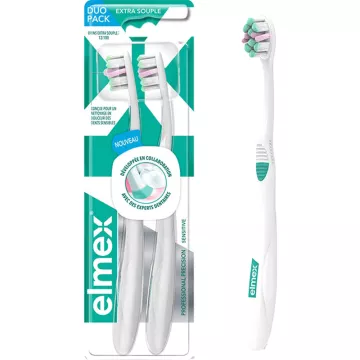
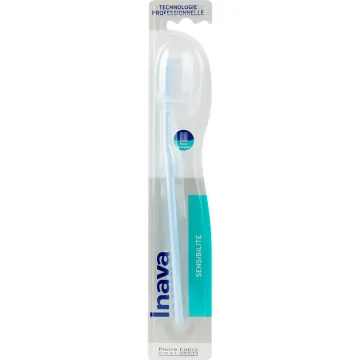
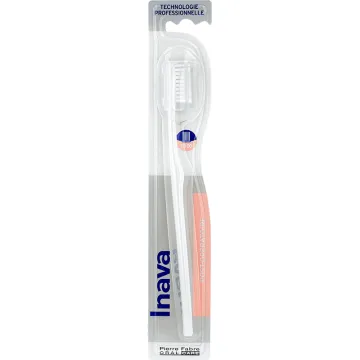
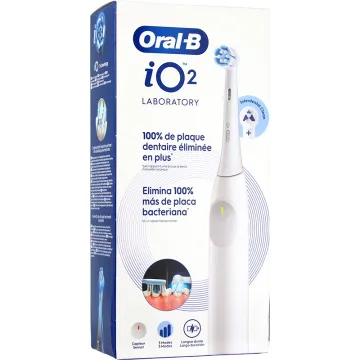
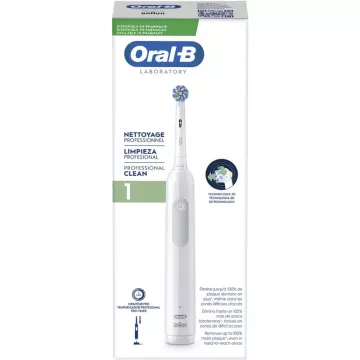
- Appropriate toothbrush: soft or extra-soft bristles—a small brush head for the back teeth—an electric toothbrush with a “sensitive” mode is recommended for patients who have difficulty controlling manual pressure
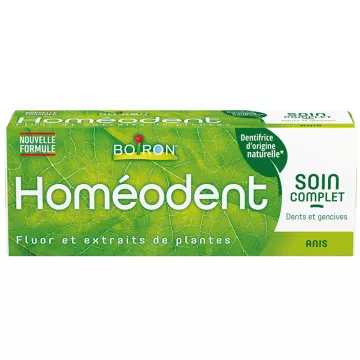
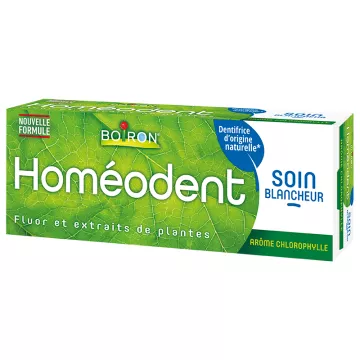
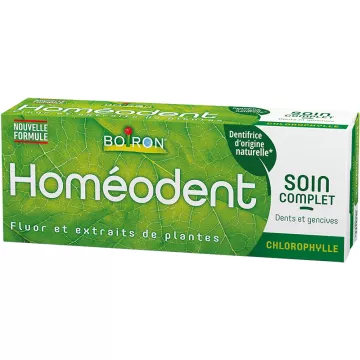
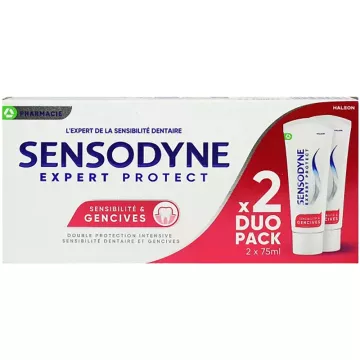
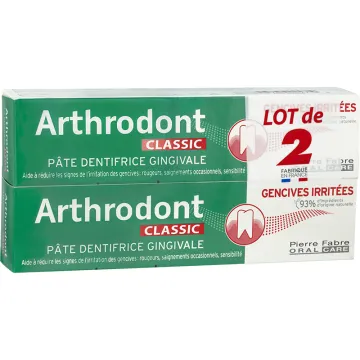
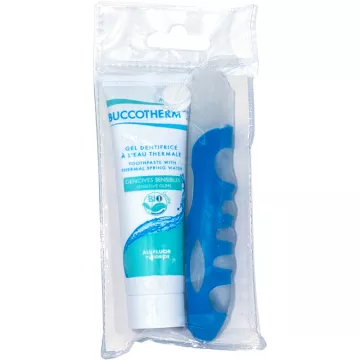
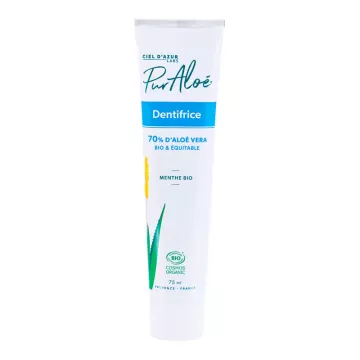
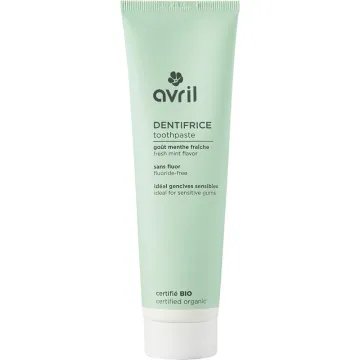
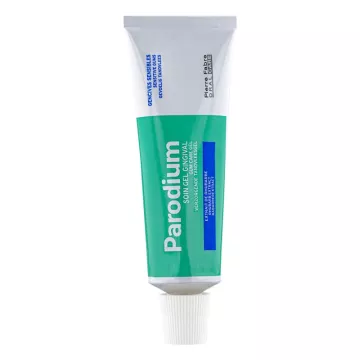
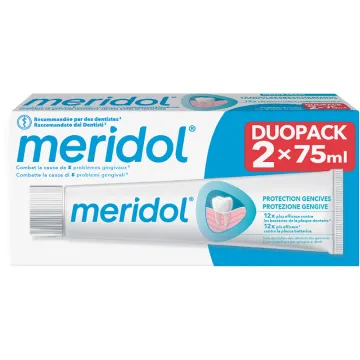
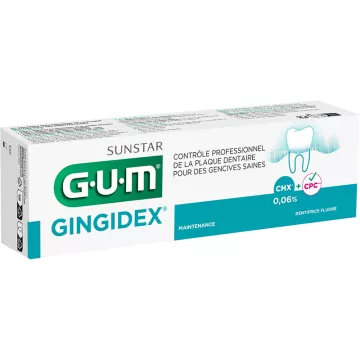
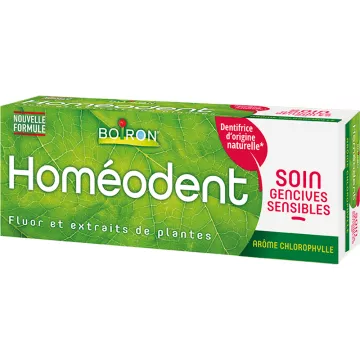
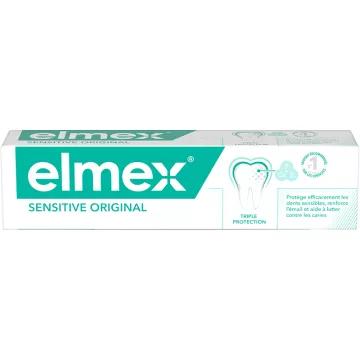
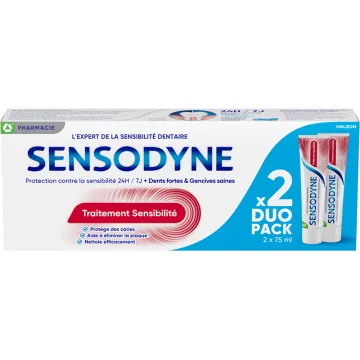
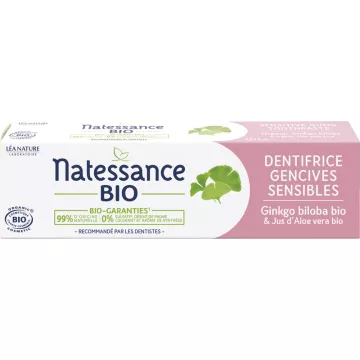
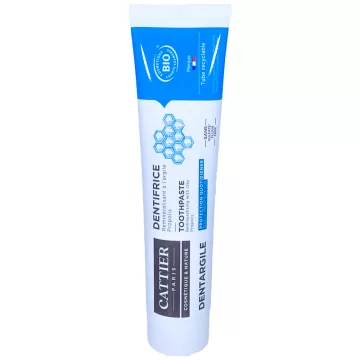
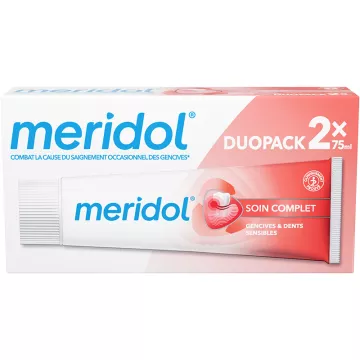
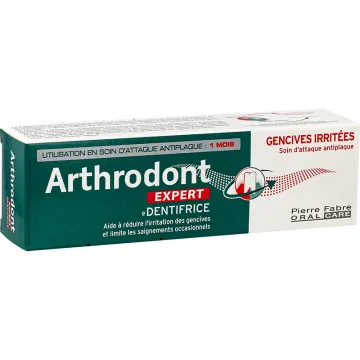
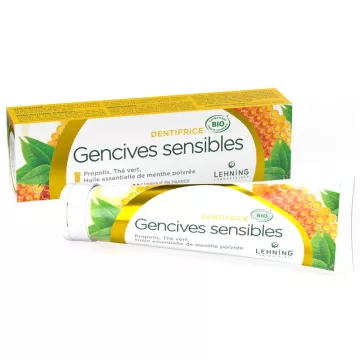
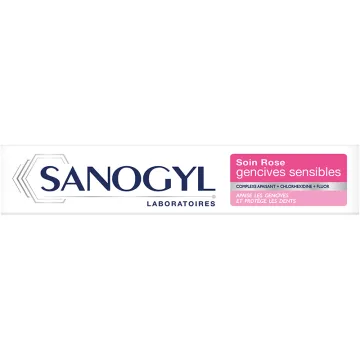
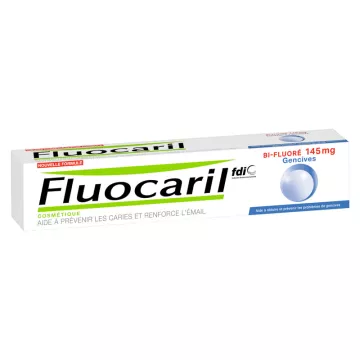
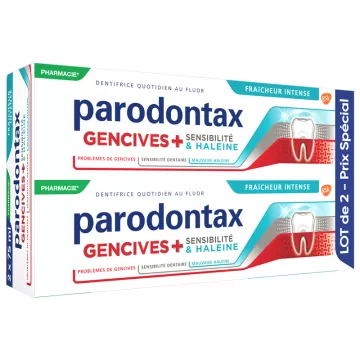
- Toothpaste for sensitive gums: formulas enriched with soothing agents (potassium nitrate, amine fluoride, arginine, aloe vera, low-dose chlorhexidine)—free of abrasive whitening agents in cases of active sensitivity
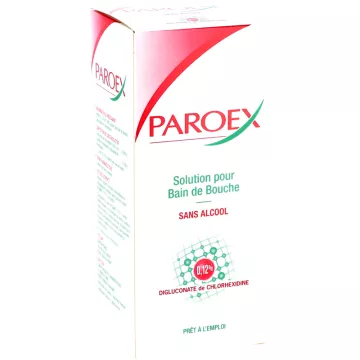
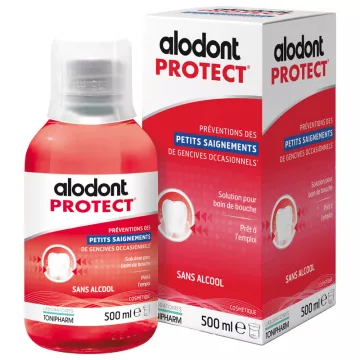
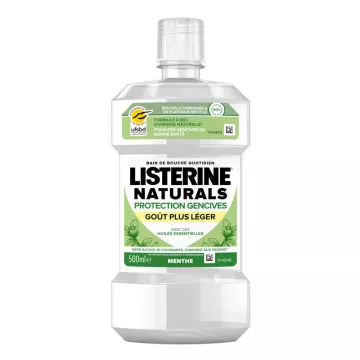
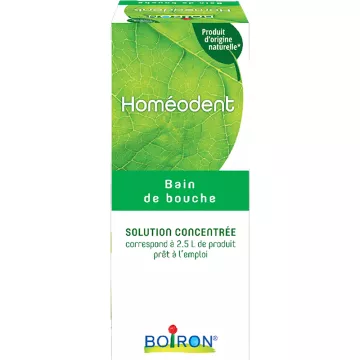
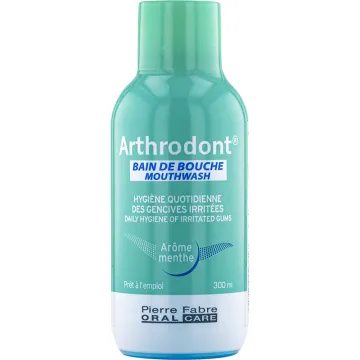
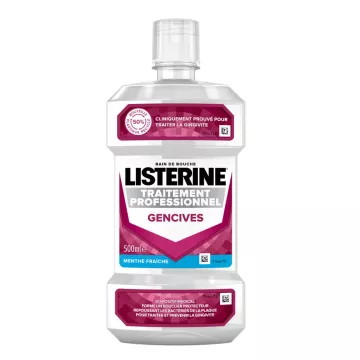
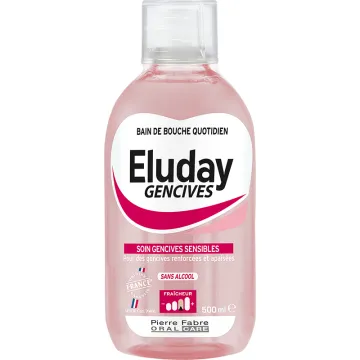
- Appropriatemouthwash: alcohol-free (alcohol dries out the mucous membranes and aggravates gum irritation) — formulas containing chlorhexidine (short courses: 10 days maximum) or propolis-based (documented antibacterial and anti-inflammatory effects against streptococci and periodontal bacteria)
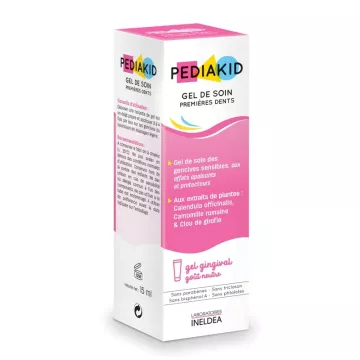
- Soothing natural remedies: pure aloe vera gel applied to the gums (soothes and promotes healing of the mucous membranes) — diluted clove essential oil (eugenol—local analgesic effect—apply a drop to the gums for no more than a few minutes) — warm saltwater rinse (mild local anti-inflammatory)
- Professional treatments: scaling + root planing (periodontitis) — subgingival curettage — connective tissue graft (severe recession) — annual periodontal evaluation recommended for recurrent cases
What role do diet and nutrients play in gum health?
- Limit: acidic foods and beverages (soda, citrus fruits, fruit juices — pH < 5.5 demineralizes cervical enamel and irritates the gums) — sweets and fermentable foods (bacterial substrate that promotes plaque) — drink water after each intake of acidic foods
- Vitamin C: an essential cofactor for gingival collagen synthesis — deficiency is associated with scurvy (severe hemorrhagic gingivitis) — obtained from citrus fruits, kiwis, bell peppers, or supplements — supports gum strength and healing
- Calcium and vitamin D3: essential for the health of the alveolar bone that supports the teeth — vitamin D deficiency has been linked to an increased susceptibility to periodontitis in epidemiological studies — dairy products, green vegetables, small fish, and sun exposure
- Polyphenols: green tea (epigallocatechin—antibacterial activity against Porphyromonas gingivalis, the main periodontal pathogen)—cranberries (proanthocyanidins that inhibit bacterial adhesion to gingival surfaces)
- Hydration: 1.5 to 2 L of water per day maintains saliva production—saliva is the first natural line of defense against oral bacteria (enzymes, IgA, pH buffer)