What are the essential products for comprehensive dental care?
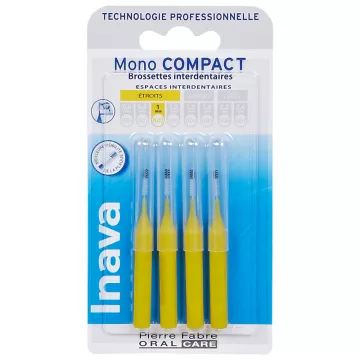
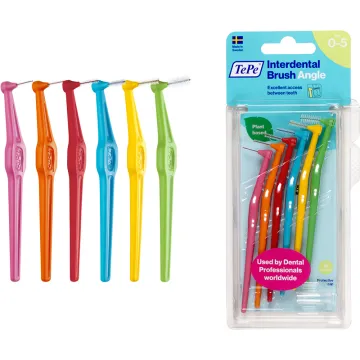
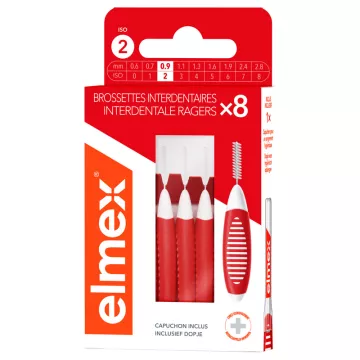
Effective dental care relies on the complementary use of several products—each targeting an area or issue that the others do not cover. Brushing breaks down plaque on accessible surfaces,interdental hygiene reaches the 40% of surfaces that a toothbrush cannot reach, and mouthwash rounds out the routine by reducing residual bacterial load. Choosing the right products for each step is key to the effectiveness of the entire routine. Products tailored to every individual’s needs are available in the oral care line.
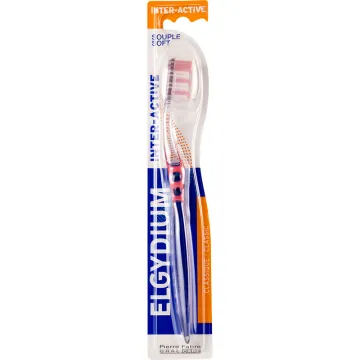
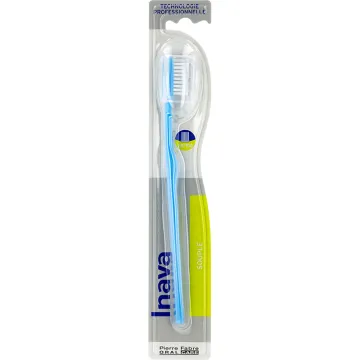
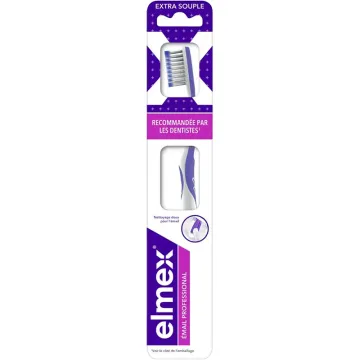
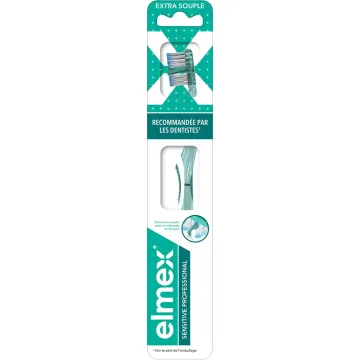
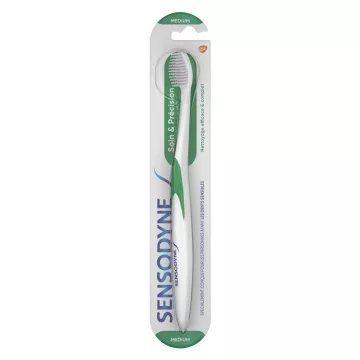
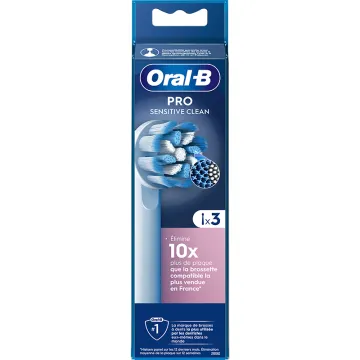
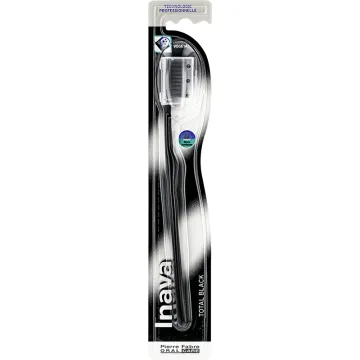
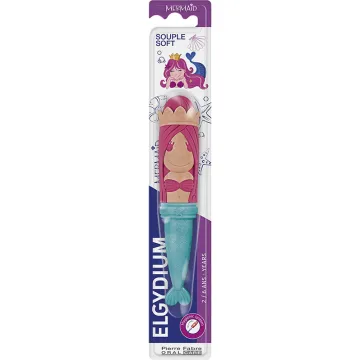
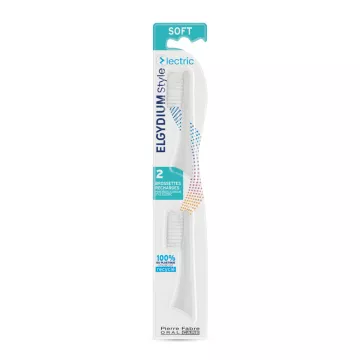
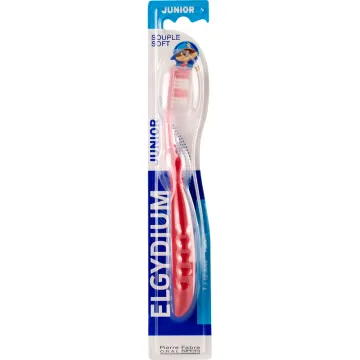
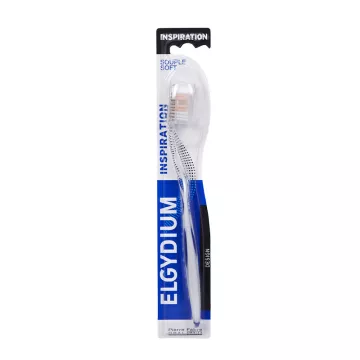
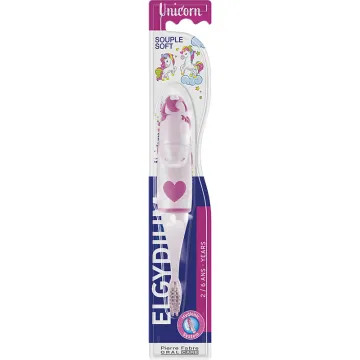
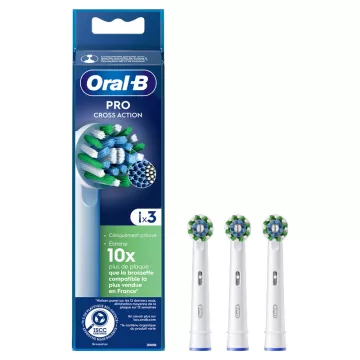
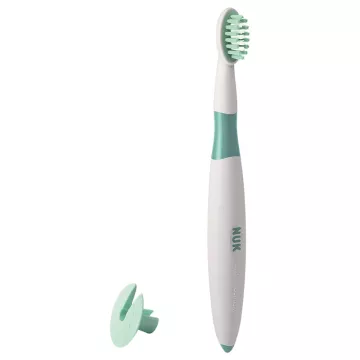
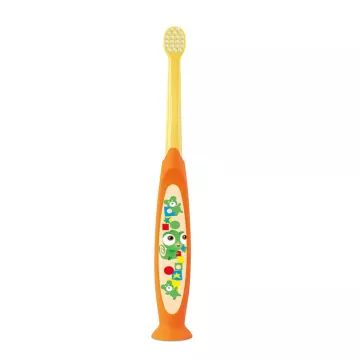
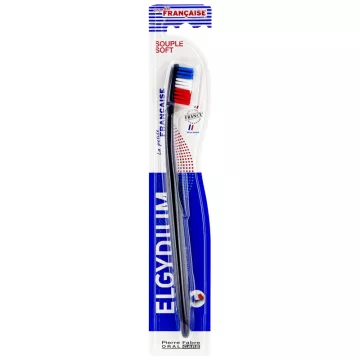
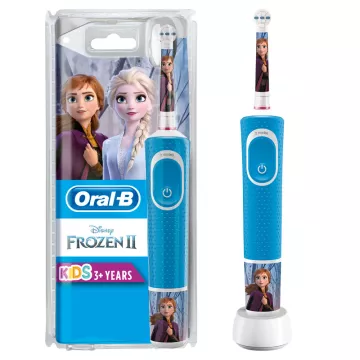
- Toothbrush: soft bristles are a must (hard bristles do not remove plaque more effectively but wear down enamel and cause gum recession) — small head to reach the molars — replace every 3 months or as soon as the bristles splay — oscillating-rotating electric toothbrushes reduce plaque by 21% and gum bleeding by an additional 11% compared to manual toothbrushes (Cochrane meta-analyses)
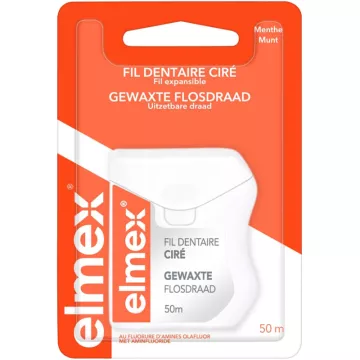
- Dental floss: waxed floss (easier to slide into tight spaces) — unwaxed floss (rougher, better at trapping debris) — Superfloss (rigid wire + foam + standard floss — essential under bridges) — C-shaped technique: form a C around each tooth, move up to the gum line, do not saw back and forth — the most effective time is in the evening before bed
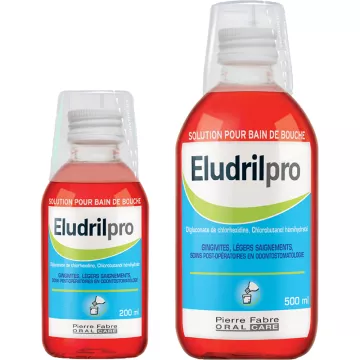
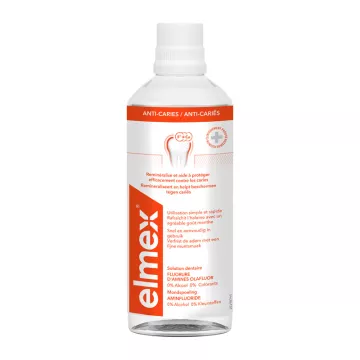
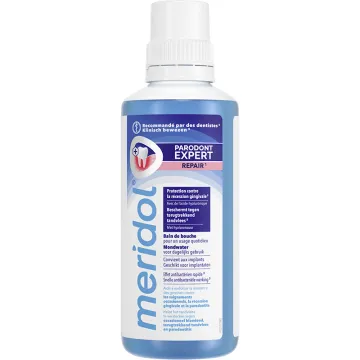
- Mouthwash: alcohol-free (alcohol dries out the mucous membranes and contributes to bad breath over the long term) — antiseptic (0.12–0.20% chlorhexidine — short courses of 2 to 4 weeks) — fluoride (225 ppm in the evening without rinsing with water, for nighttime remineralization) — propolis for natural daily care
- Sports mouthguard: essential for all contact sports (rugby, boxing, martial arts, hockey) and sports with a risk of falls (cycling, skiing) — prevents tooth fractures and dislocations — custom-made by a dentist or thermoformable at a pharmacy — should be replaced as soon as it shows signs of wear
How can you prevent tartar buildup and cavities?
Tartar is calcified plaque—and once formed, only professional scaling can remove it. Prevention therefore relies on the daily and thorough removal of plaque before it mineralizes. Brushing twice a day plus flossing once a day consistently interrupts this process. Using an antiseptic mouthwash as a supplement reduces the residual bacterial load in areas that neither the toothbrush nor floss can reach (shallow gum pockets, sulcus).
Tooth decay follows the same principle: bacterial plaque produces acids (primarily lactic acid) that dissolve enamel as soon as the oral pH drops below 5.5. The fluoride in toothpaste precipitates into the demineralized enamel microcrystals and reconstitutes them as fluorapatite—which is more resistant to subsequent acid attacks. This is why not rinsing with water after brushing is just as important as brushing itself.
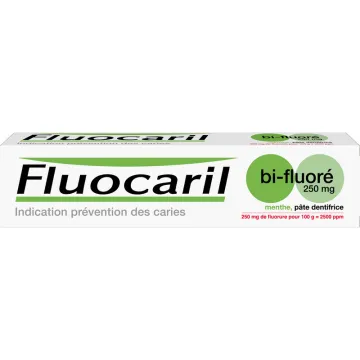
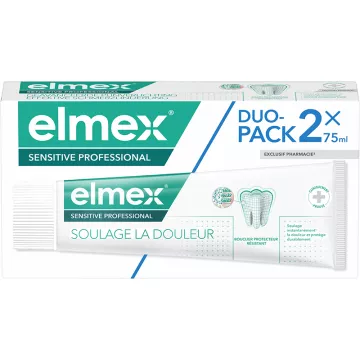
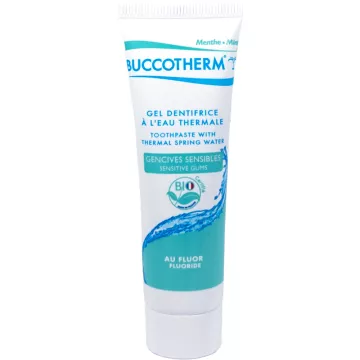
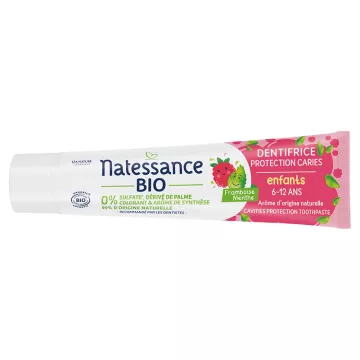
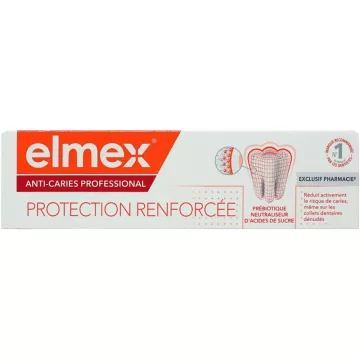
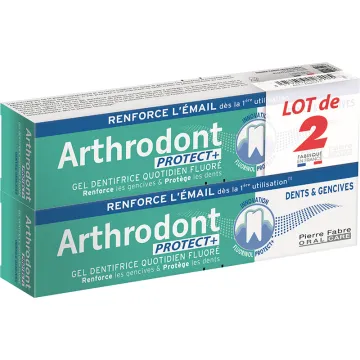
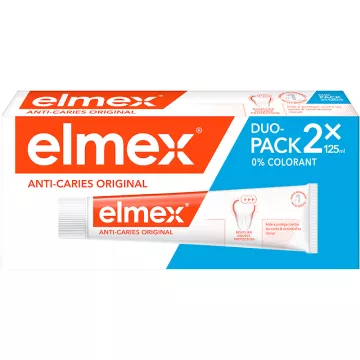
- Toothpaste and fluoride concentration: 1,450 ppm for adults (European standard—check the tube; “natural” or “whitening” formulas are often 400–900 ppm) — high risk of cavities → 2,800–5,000 ppm by dental prescription — strengthening enamel requires a properly dosed fluoride used correctly
- Diet and tooth decay: refined sugars and starches (candy, cakes, crackers) directly feed cavity-causing bacteria—sticky foods (caramels, dried fruit) adhere to tooth surfaces and prolong acid exposure—acidic beverages (sodas, juices, kombucha) erode enamel even in the absence of bacteria (dental erosion) — concentrated coffee and tea stain enamel over time
- Protective foods: hard cheeses (alcalinize oral pH + calcium) — dairy products (remineralizing calcium and phosphate) — crunchy fruits and vegetables (mechanically stimulate salivation) — water (rinses away residue between meals, provides fluoride if tap water is fluoridated)
What role does water play in dental care?
Water is the only food that does not cause a drop in oral pH—it rinses away food particles and acids between meals without promoting the growth of cavity-causing bacteria. Drinking water after a meal or an acidic beverage quickly dilutes the acids in the mouth and accelerates the return to a neutral pH. It also stimulates saliva production—the most powerful natural agent for remineralization and oral self-defense.
- Fluoridated water: In regions where tap water is fluoridated (metropolitan France—0.7–1 mg/L depending on the water system), regular consumption helps protect tooth enamel—an effect that complements fluoride toothpaste and significantly reduces the incidence of cavities in the affected populations
- Dry mouth and dental care: insufficient hydration (less than 1.5 L/day) reduces saliva flow—without saliva, plaque accumulates more quickly, the pH remains low for longer, and bacteria proliferate—people taking medications that reduce saliva production (antihistamines, antidepressants, diuretics) must be extra vigilant and use saliva substitutes if necessary
- Warning signs not to ignore: bleeding gums, tooth sensitivity to cold or sugar, teeth that yellow despite brushing, persistent bad breath—these signs indicate that a step in the routine is inadequate or that an underlying medical cause needs to be identified